World COPD Day 2025: Theme, History, and Significance
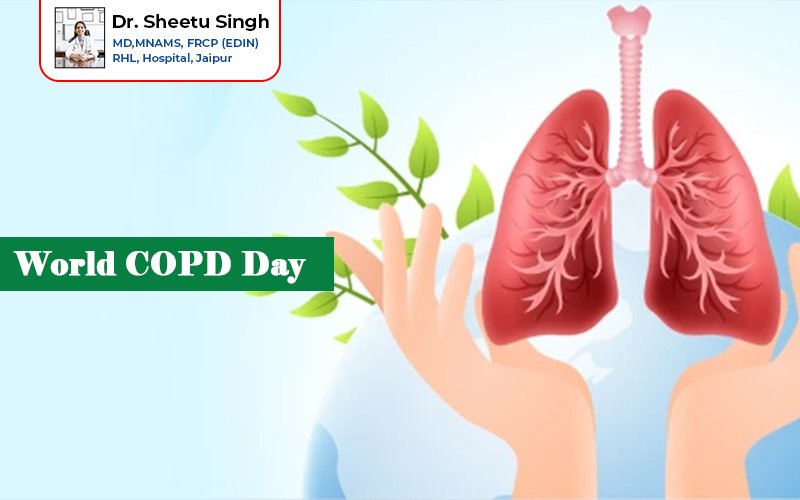
The World Health Organization (WHO) reports that, after heart disease, stroke, and lower respiratory infections, chronic obstructive pulmonary disease (COPD) ranks as the fourth most common cause of mortality worldwide. In India, Tobacco use, indoor air pollution from cooking fuels, and occupational dust exposure are risk factors for COPD, which remains a significant respiratory health burden. Despite being common, COPD is frequently misdiagnosed or underdiagnosed, which delays appropriate management and treatment. World COPD Day is observed annually to raise public awareness of the condition, encourage early diagnosis, and support preventive care for improved lung health to address this expanding worldwide health crisis.
On World COPD Day 2025, Dr. Sheetu Singh shares important advice for people living with COPD. She reminds everyone that “every breath matters” and that managing life with COPD is possible with the correct care. Dr. Sheetu Singh stresses the value of early diagnosis, smoking cessation, taking medications as directed, and maintaining an active lifestyle. She also advises patients to eat healthy and avoid pollution as much as possible. Patients with COPD can live a more pleasant and healthy life by adhering to some easy guidelines and communicating with their doctor.
Cough Specialist, Chest Specialist, Sleep Apnea Specialist, Asthma Specialist, Lung Specialist
The 2025 Theme of World COPD Day
World COPD Day 2025’s theme, “Short of Breath, Think COPD,” highlights how critical it is to identify chronic dyspnea as an early warning indicator of COPD. Even though COPD is the fourth most common cause of death worldwide, it is frequently misdiagnosed or underdiagnosed, which results in improper or delayed treatment. This year’s theme calls on medical professionals and the public to take COPD into account in those who have:
- Breathlessness or shortness of breath during everyday tasks
- Chronic cough or sputum production
- Recurrent infections of the lower respiratory tract
- Exposure to cooking fuels, tobacco, or dust and fumes from the workplace
Through promoting early identification and appropriate assessment, the theme emphasizes how prompt diagnosis and evidence-based care can greatly boost lung function, lower complications, and improve quality of life in general.
History of World COPD Day
Every year on November 19, the globe observes Global COPD Day, a global health campaign to raise awareness of Chronic Obstructive Pulmonary Disease (COPD), a common, treatable, and preventable lung illness that impacts millions of people globally. Promoting early diagnosis, enhancing care, and lessening the burden of COPD via education and community participation are the main goals of the day, which is organized by the Global Initiative for Chronic Obstructive Lung Disease (GOLD) in partnership with medical experts and COPD patient groups. Since its initial observance in 2002, the event has developed into one of the most well-known respiratory awareness initiatives, with annual events held in more than 50 nations.
Global Significance
Governments, medical facilities, and public health organizations come together on World COPD Day to increase awareness of chronic respiratory disorders worldwide. From community-level screening camps to national health initiatives, the day promotes teamwork in efforts to lower avoidable deaths and advance lung health. In India, it also acts as a relevant reminder of the increasing harm that smoking, indoor fuel exposure, and air pollution pose to respiratory health.
Warning Signs and Symptoms of COPD
Early symptoms of COPD may be disregarded by many people who believe they are a natural part of aging or the result of smoking. Timely diagnosis and successful treatment depend on early detection of these symptoms. Common symptoms of COPD include:
- Persistent Cough: Commonly known as a “smoker’s cough,” which is typically accompanied by mucus (phlegm).
- Shortness of Breath: Breathing problems, particularly while exerting oneself or engaging in physical exercise.
- Wheezing: A whistling or squeaky sound while breathing.
- Chest Tightness: A feeling of pressure or weight in the chest.
- Frequent Respiratory Infections: low vitality as a result of a decreased oxygen supply.
- Bluish Lips or Fingernails: Indicate advanced stages of low blood oxygen levels.
Causes and Risk Factors of COPD
Long-term exposure to chemicals that irritate and harm the lungs is typically the cause of COPD. Although smoking cigarettes is still the most common cause, there are other environmental and lifestyle factors that also have a role. Major causes of COPD:
- Smoking: The primary factor that causes COPD. Over time, smoking, whether active or passive (secondhand), can seriously harm lung tissue.
- Indoor Air Pollution: Smoke exposure from burning coal, wood, or kerosene for cooking and heating—all of which are common in households with inadequate ventilation—can damage the lungs, particularly in women and children.
- Outdoor Air Pollution: Long-term exposure to industrial fumes, vehicle exhaust, and dust contributes to the risk.
- Occupational Exposures: Chemical fumes, inhaling dust, or vapours at workplaces such as mines, factories, and construction sites can increase the risk.
FAQs
What is COPD?
Chronic Obstructive Pulmonary Disease, or COPD, is a chronic lung disease that causes breathing difficulties. It covers conditions including chronic bronchitis and emphysema.
What are the main causes of COPD?
Long-term exposure to tobacco smoke is the most frequent cause. Genetic factors, occupational dust or chemicals, and air pollution are other possibilities.
What are the common symptoms of COPD?
Symptoms include shortness of breath, persistent cough, chest tightness, wheezing, and frequent respiratory infections. Usually, symptoms get worse with time.
How is COPD Diagnosed?
A physical examination, medical history, and tests like spirometry, which gauges lung function, are used to diagnose COPD.
Why is World COPD Day important?
World COPD Day promotes awareness of COPD, teaches people about prevention, and highlights how crucial early detection and appropriate treatment are to improving the lives of patients.