World Lung Day 2026: Symptoms, Causes, Treatment and Awareness for Lungs
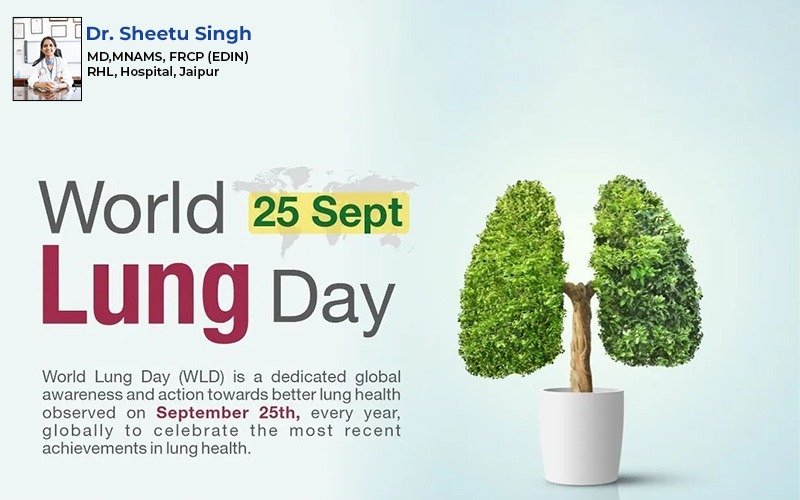
The lungs are one of the most vital organs in the body because they constantly take in oxygen and expel carbon dioxide. However, lung health is often neglected. Increasing pollution and secondhand smoke can increase your risk of lung ailments even if you don’t smoke. It is critical to identify signs such as a chronic cough, wheezing, recurrent chest infections, and breathing difficulties, and seek the advice of a qualified lung health specialist. World Lung Day is observed annually to raise awareness and emphasize the significance of lung health. The date of this year’s World Lung Day is September 25, 2026. The theme of World Lung Day 2026 is “A Lifetime of Lung Health”.
On World Lung Day 026, Dr. Sheetu Singh, a pulmonologist, highlights the importance of understanding lung health, recognising early symptoms, and taking timely medical advice. In addition to detailing potential reasons, including smoking, air pollution, allergies, infections, and prolonged exposure to respiratory irritants, her guide covers frequent symptoms like a chronic cough, dyspnea, wheezing, chest pain, and recurrent respiratory infections. In order to manage lung-related illnesses, the guide also discusses the importance of proper diagnosis, individualized therapy, preventive measures, and routine monitoring.
Why is World Lung Day Celebrated?
The purpose of World Lung Day 2026 is to increase public awareness of lung health, respiratory disorders, and the critical need for improved prevention, early detection, and access to suitable treatment. The Forum of International Respiratory Societies (FIRS) started World Lung Day as an international initiative to raise awareness of respiratory health. In order to lessen the burden of respiratory illnesses, the campaign calls on governments, patient organizations, communities, individuals, and healthcare professionals to collaborate.
Respiratory diseases can affect across all age groups, including babies. Asthma, Chronic Obstructive Pulmonary Disease (COPD), Lung Cancer, Pneumonia, and Tuberculosis are among the primary lung illnesses that significantly contribute to illness, disability, and mortality globally, according to the World Health Organization (WHO).
What are the Common Lung Diseases?
There are many conditions that can affect the lungs and airways. While some infections are transient, some may develop into chronic conditions that need ongoing care. Some of the common lung disease conditions include:
- Asthma:- Coughing, wheezing, tightness in the chest, and shortness of breath are symptoms of asthma, a chronic illness that involves inflammation and airway narrowing.
- Chronic Obstructive Pulmonary Disease (COPD):- COPD is a lung condition that worsens with time, limiting airflow and making breathing more challenging. Chronic bronchitis and emphysema are commonly associated with COPD.
- Pneumonia:- Bacteria, viruses, or other infectious organisms can cause pneumonia, an infection of the lungs. It may cause couh, chills, fever, breathing difficulty and chest discomfort. Some people may be more susceptible to serious disease, especially small children, elderly adults, and those with underlying medical issues.
- Tuberculosis (TB):- Tuberculosis is an infectious disease that may cause symptoms like prolonged cough, night sweats, fever, tiredness and unexplained weight loss.
- Lung Cancer:- When aberrant cells in the lungs multiply out of control, lung cancer results. Although smoking is a significant risk factor, lung cancer can also strike nonsmokers. Risk can also be raised by prolonged exposure to specific environmental or occupational risks.
- Bronchiectasis:- A persistent illness called bronchiectasis causes portions of the airways to permanently expand and become damaged, making it more difficult to expel mucus. It can lead to a chronic productive cough and recurrent respiratory infections.
- Interstitial Lung Diseass:- A wide range of conditions known as interstitial lung diseases result in lung tissue scarring or inflammation. Common symptoms include a chronic dry cough and dyspnea.
Lung Disease Causes and Risk Factors
The World Health Organization lists respiratory infections, occupational dusts and chemicals, air pollution, and tobacco smoking as significant risk factors for chronic respiratory disorders. The following are some of the most typical causes and risk factors for lung diseases:
- Smoking and exposure to second-hand smoke
- Outdoor and indoor air pollution
- Allergens such as mould, dust mites, and pollen
- Occupational exposure to dust, chemicals, and fumes
- Poor lung development during early life
- Family history or genetic factors
- Repeated respiratory infections
- Certain autoimmune or inflammatory conditions
- Increasing age
What are the Signs and Symptoms of Lung Disease?
Early detection of lung disease symptoms can promote prompt medical assessment. Even though many people may not take coughing and wheezing seriously in the beginning, it’s crucial to see a local pulmonologist before taking any self-medication and if the symptoms persist for a long time. Common lung problem signs and symptoms may include:
- Persistent or recurrent cough
- Wheezing
- Cough with mucus or phlegm
- Shortness of breath
- Chest tightness or discomfort
- Difficulty breathing during routine activities
- Unexplained tiredness
- Frequent respiratory infections
- Unexplained weight loss
- Bluish lips or fingertips in severe breathing difficulty
- Reduced exercise tolerance
- Coughing up blood
How are Lung Diseases Diagnosed?
The symptoms and suspected disease determine the proper diagnostic strategy. After assessing your symptoms and requesting past medical records and any family history of lung disease, your doctor will suggest certain tests to look into and assess the situation. A respiratory specialist may recommend:
- Physical assessment
- Chest X-ray
- CT scan of the chest
- Pulmonary function tests such as spirometry
- Oxygen saturation assessment
- Blood tests
- Bronchoscopy in selected cases
- Sputum examinations
- Sleep-related breathing assessments when appropriate
- Allergy testing when indicated
FAQs
What is World Lung Day?
World Lung Day is a day to raise awareness about lung health and the significance of preventing respiratory illnesses.
When is World Lung Day 2026?
World Lung Day 2026 will be observed on September 25, 2026.
What can affect lung health?
Air pollution, smoking, infections, allergies, and long-term exposure to dust or harmful substances can affect lung health.
How can people protect their lungs?
Steer clear of smoking, limit your exposure to air pollution, exercise frequently, practice excellent hygiene, and consult a doctor if your symptoms don’t go away.
Why is early detection of lung problems important?
Early assessment can enable prompt medical treatment and help detect respiratory issues earlier.