World No Tobacco Day 2026: Awareness, Prevention and a Healthier Tomorrow
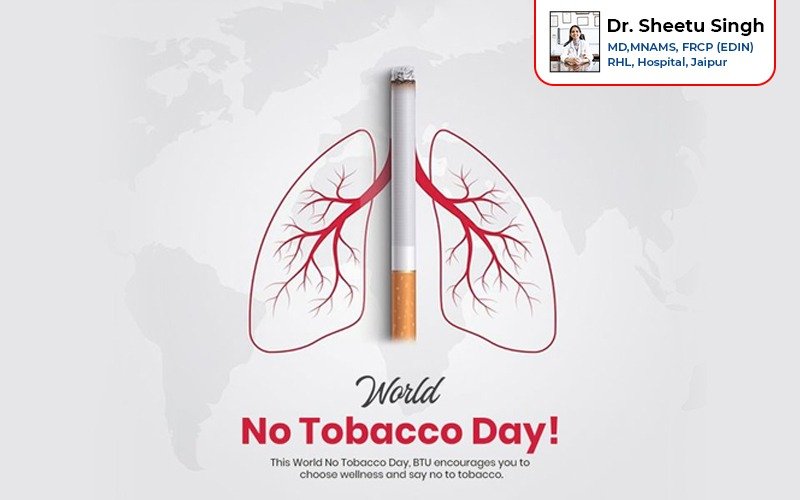
Every year on May 31, individuals from all over the world unite to celebrate World No Tobacco Day. This day’s straightforward but effective goal is to raise awareness of the risks associated with tobacco use and promote healthier lifestyle choices. Tobacco use continues to be one of the leading causes of preventable diseases worldwide. Millions of people suffer from serious health conditions because of smoking and other tobacco products. Even though many people are aware of the dangers of tobacco, education and awareness are still crucial in helping people give it up. Smoking and other tobacco products create major health problems for millions of individuals. Even though a lot of people are aware of the dangers of tobacco use, education and awareness are still crucial in helping people give it up.
On this global awareness day, people are encouraged to consider their habits and comprehend the long-term consequences of tobacco use. Additionally, it highlights the significance of prevention so that future generations can grow up free from this dangerous addiction. On World No Tobacco Day 2026, Dr. Sheetu Singh, a pulmonologist, guides people by highlighting the severe impact of tobacco on lung health and overall well-being. According to her, smoking is one of the main causes of lung cancer, asthma problems, and chronic respiratory conditions like COPD, all of which are avoidable.
What is World No Tobacco Day?
World No Tobacco Day is a global health initiative started by the World Health Organization (WHO). It was first presented in 1987 to raise awareness of the escalating health issue brought on by tobacco usage. Many nations celebrate the day with community events, educational initiatives, and awareness campaigns. Governments, schools, and health groups collaborate to raise awareness of the negative effects of tobacco use and to motivate people to give it up.
Why This Awareness Day Matters
No Tobacco Day’s significance extends much beyond a particular initiative. It enables individuals to comprehend the effects of tobacco on families, society, and health. Addiction to tobacco frequently begins as a little habit but can eventually develop into a major health danger. Many people struggle to quit even when they know the damage it causes: This awareness day is significant for the following three main reasons:
- It enables people to understand the true risks associated with tobacco use.
- It motivates smokers to consider giving up.
- It protects young people from starting harmful habits.
Beyond personal preferences, the day promotes global public health initiatives. Governments take advantage of this chance to advocate for smoke-free zones, stricter laws, and educational initiatives that deter tobacco use.
The Health Risks of Tobacco
Tobacco contains thousands of chemicals, and many of them are dangerous to the human body. Over time, these toxins raise the risk of major diseases and harm vital organs. Smoking primarily affects the lungs. Long-term smokers frequently have lung capacity reduction and breathing issues. Emphysema and chronic bronchitis are two conditions that can make daily tasks challenging.
In addition, tobacco weakens the immune system. As a result, the body’s ability to fight off illnesses and infections declines. Another serious concern is secondhand smoke. Regular exposure to tobacco smoke can cause health issues for non-smokers as well. Children are particularly susceptible to breathing problems and other health problems brought on by secondhand smoke.
The Social and Economic Impact of Tobacco
Tobacco usage has an influence on families and society at large, in addition to one’s own health. The annual cost of treating smoking-related ailments is substantial for healthcare systems. Patients with lung diseases linked to tobacco use, heart disease, and cancer are often cared for by hospitals and physicians. When a loved one struggles with tobacco addiction, families may also face financial and emotional challenges. Reduced productivity, medical expenses, and long-term health problems can create stress within households.
The environment is also impacted. Large tracts of land are needed for tobacco farming, and the manufacture of cigarettes adds to waste and pollution. World No Tobacco Day and other awareness initiatives seek to draw attention to these wider effects so that communities can collaborate to lower tobacco usage.
Preventing Tobacco Use
One of the best strategies to reduce tobacco-related health issues is prevention. Education plays a key role in prevention. Young individuals are less likely to start smoking when they are informed about the dangers of tobacco at a young age. To educate individuals about the risks associated with tobacco use, schools, community organizations, and medical professionals frequently hold awareness campaigns.
Families also have an important role in guiding children toward healthy habits. Establishing smoke-free homes and surroundings makes it clear that using tobacco products is unhealthy.
Taking the First Step Toward Quitting
Many people may find it challenging to stop smoking. But every year, thousands of people who have the necessary assistance and perseverance successfully quit. Usually, the journey starts with an individual decision to give up smoking. People might psychologically prepare for the change by setting a quit date. The procedure can be made easier with the help of friends and family. People can maintain their motivation throughout difficult times when they receive encouragement from loved ones.
FAQs
What is World No Tobacco Day?
It is a worldwide awareness day to draw attention to the negative consequences of tobacco usage.
When is it observed?
It is observed every year on 31st May.
Why is tobacco dangerous?
It can lead to severe lung issues, heart disease, and cancer.
What is the purpose of this day?
To support a better lifestyle and help individuals give up smoking.
Who started World No Tobacco Day?
It was initiated by the World Health Organization (WHO).