World Cancer Day: Importance of Early Screening, Diagnosis & Preventive Health Tests
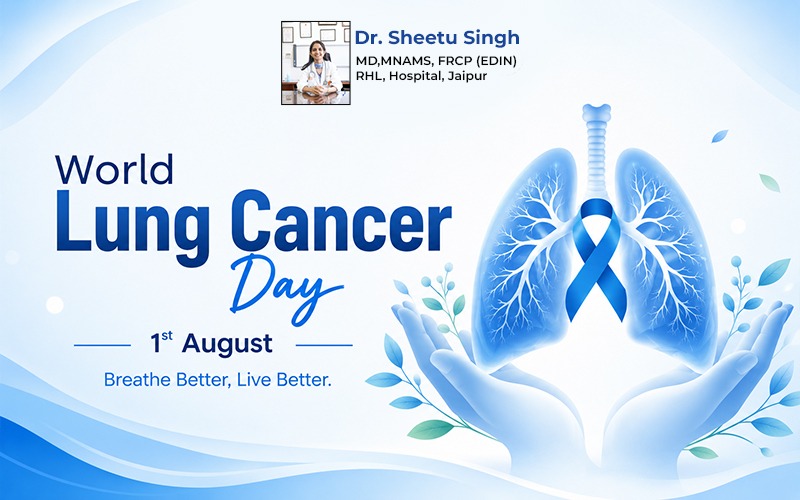
World Lung Cancer Day was first observed on 1 August 2012, following its launch by the Forum of International Respiratory Societies (FIRS) in collaboration with partner organisations. The initiative was driven by a clear and urgent mission: to raise awareness of the world’s deadliest cancer and to inspire people to seek early detection and timely action. The date has been a staple on the worldwide health calendar ever since. Today, the day unites physicians, survivors, researchers, and communities through health fairs and internet campaigns. Most people use this occasion to remember loved ones lost to the disease and call for better preventive and treatment measures.
On World Cancer Day 2026, Dr. Sheetu Singh highlights the critical role of early screening, timely diagnosis, and preventive health tests in reducing the burden of cancer and improving treatment outcomes. Regular screenings and health examinations can identify many malignancies at an early stage, sometimes before symptoms appear. Dr. Sheetu Singh emphasizes that preventive health measures, including cancer-specific screening tests based on gender, age, family history, and risk factors, can significantly increase the chances of successful treatment and survival.
Why Lungs Cancer Awareness Day is More Relevant Today than Ever
The purpose of Lung Cancer Awareness Day is not symbolic, but rather life-saving. More people worldwide die from lung cancer each year than from any other kind of cancer. Thus, patients frequently receive a diagnosis later in life, especially if their symptoms were disregarded or deemed insignificant. As we set World Lung Cancer Day, we:
- Dispel misconceptions, such as the idea that lung cancer only affects smokers.
- Encourage patients who experience chronic respiratory problems to consult a doctor as soon as possible.
- Promote lifestyle modifications, such as giving up smoking and reducing exposure to air pollution.
- Strengthen the system of practical and emotional assistance available to patients and their families.
We strive to achieve these same objectives all year long by providing cutting-edge diagnostics, treatment services, and health education specific to lung cancer prevention and care.
What Makes the Day Significant on a Global Scale
On World Lung Cancer Day, we are able to view the whole picture. Its importance is found in:
- Dispelling Myths: Genetics, environmental pollutants, and occupational exposures all have a role; thus, smokers are not always the cause.
- Driving Early Detection: Imaging tests and screenings can catch the disease before symptoms even appear.
- Encouraging Research: Lung cancer research continues to get disproportionately little funding in comparison to its effect; lobbying is strengthened by publicity.
- Empowering Patients: Connecting people with resources, support groups, and specialists improves quality of life during treatment.
- Inspiring Stories of Hope: Accounts from survivors might lessen stigma and inspire others to get support.
How You Can Raise Awareness on Lung Cancer Day
A big platform is not necessary to have an impact. Here are some doable ways to help on Lung Cancer Awareness Day:
- Start Conversations:- Discuss the dangers, symptoms, and screening choices honestly with friends and family.
- Participate in Local Events:- Talks, walks, community screenings, and virtual seminars are often organised on 1 August.
- Promote Smoking Cessation:- Encourage someone who is attempting to stop by sharing resources that have been shown to be effective, such as the tobacco-free living programs that our pulmonology specialty in Jaipur offers.
- Share Real-Life Stories:- Personal experiences humanise the statistics and help dispel fear and stigma
- Advocate for Clean Air:- Changes made at home, such as improving ventilation and lowering indoor pollution, also play a part.
- Help in Fundraising:- Funds for research and patient care are raised through community fundraising activities and charitable donations.
- Recognise the Warning Signs:- Chest pain, persistent cough, breathlessness, unexplained tiredness, and loss of weight must not be ignored.
Preventive Health Tests: A Vital Line of Defense
Tests for preventive health are essential for determining risk factors and early illness detection. Healthcare providers may suggest particular screenings and health evaluations based on factors such as age, gender, lifestyle, and family history. Some commonly recommended preventive tests include:
- Breast Cancer Screening:- Regular mammograms help detect breast cancer early, often before a lump can be felt.
- Cervical Cancer Screening:- Cervical cell abnormalities can be detected by Pap smears and HPV testing prior to the development of cancer.
- Colorectal Cancer Screening:- Colonoscopy and stool-based tests can detect colorectal cancer and precancerous polyps at an early stage.
- Lung Cancer Screening:- For people with a substantial smoking history or other risk factors, low-dose CT scans could be advised.
- Prostate Cancer Screening:- Men may benefit from discussions with their healthcare provider regarding PSA testing based on age and risk profile.
- General Preventive Health Check-ups:- Health assessments, lifestyle evaluations, and routine blood tests can help identify underlying health concerns and support overall well-being.
Who Should Get Screened?
There is no one-size-fits-all approach to cancer screening. The best screening plan for each person can be found by speaking with a medical expert. A number of factors influence recommendations, such as:
- Age
- Gender
- Family history of cancer
- Smoking history
- Lifestyle habits
- Existing medical conditions
- Occupational or environmental exposures
Reducing Cancer Risk Through Prevention
Many risk factors can be changed by healthy lifestyle choices, even if not all malignancies can be avoided. Preventive actions consist of:
- Avoiding tobacco products
- Limiting alcohol consumption
- Maintaining a healthy weight
- Following a balanced diet rich in vegetables and fruits
- Engaging in regular physical activity
- Staying up to date with recommended vaccinations such as HPV and Hepatitis B vaccines
- Protecting skin from excessive sun exposure
FAQs
Why is early cancer screening important?
Early screening increases treatment efficacy and survival rates by identifying cancer before symptoms manifest.
What is the difference between cancer screening and diagnosis?
While diagnosis verifies cancer when symptoms or abnormal test findings are discovered, screening looks for cancer in those without symptoms.
Who should undergo cancer screenings?
Screening recommendations depend on factors such as gender, age, family history, lifestyle, and individual risk factors.
Can preventive health tests reduce cancer risk?
Preventive health tests assist in identifying early signs of cancer or risk factors, allowing for timely intervention and treatment.
Are cancer screenings painful?
Most screening tests are simple, quick, and involve minimal discomfort.