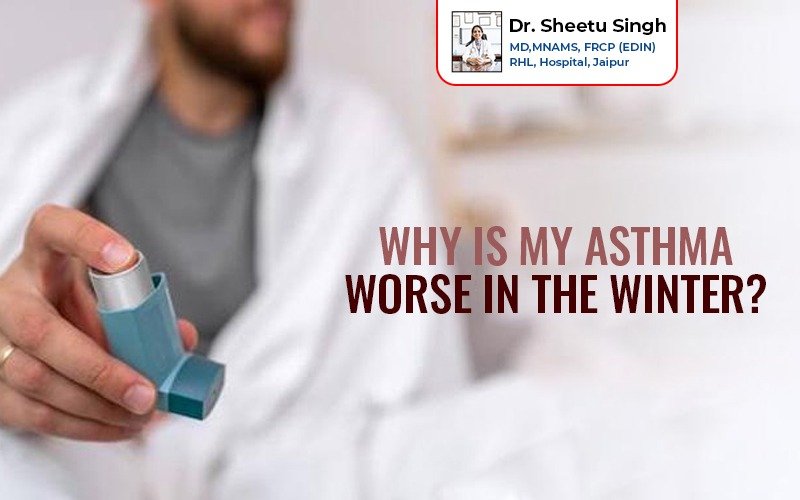
The seasons and temperature fluctuations have an impact on many asthmatics. Because the cold, dry air can irritate the airways, producing coughing, wheezing, and shortness of breath, cold weather in particular is a major asthma trigger. Your airways are always slightly enlarged when you have asthma, but triggers can make the swelling worse and produce more mucus, which makes breathing difficult. Even if winter has its difficulties, if you are ready, you may learn to control your symptoms and stay away from triggers so you can enjoy this season. Dr. Sheetu Singh explains that asthma often feels worse during the winter months due to a combination of environmental and lifestyle factors. Asthma sufferers may find it more difficult to breathe since cold air can irritate and constrict their airways.
In addition, winter air is usually dry, which can trigger coughing and wheezing. Dr. Sheetu Singh emphasizes that people spend more time indoors during the winter, which increases their exposure to indoor pollution, dust mites, and pet dander. During this period, seasonal diseases like the flu and colds are more prevalent and can exacerbate asthma symptoms. Dr. Sheetu Singh claims that by being aware of these triggers and taking preventative measures, such as staying warm, preserving indoor air quality, and adhering to an appropriate asthma management plan, symptoms can be successfully controlled throughout the winter.
Cold Air and Your Lungs
Everybody’s airways are shielded by a coating of fluid that evaporates more quickly than it can be replenished when they breathe in dry air. For those who have asthma, this dryness can lead to irritation and swelling of the airways. Additionally, the protective mucus that lines our airways aids in capturing harmful particles. Unfortunately, breathing becomes much more difficult in cold weather because your body produces more mucus, which is thicker and stickier than usual. Everyone, even those without lung illness, goes through this process. People who already have inflamed airways and excessive mucus production, such as those with asthma, have an especially difficult time.
Exercising Outside with Asthma
A healthy lifestyle includes regular exercise, particularly for those who suffer from long-term respiratory conditions like asthma. Unfortunately, It could be more difficult for them to engage in specific activities and exercises due to their lung conditions. This is particularly true for those who have EIB or exercise-induced asthma. Exercise causes these patients to quickly inhale chilly, dry air via their mouths, which aggravates their asthma symptoms. The cold can exacerbate this issue, so even though many individuals like working out outside, the change in temperature can be problematic for those who have lung disease. The cold exacerbates the already inflamed airways of people with EIB and other lung conditions, making it difficult for them to breathe or causing a tight or burning sensation in their chest.
Winter and Indoor Allergies
You are more inclined to stay indoors for extended periods of time with the heat on and the windows closed when the weather is chilly. Increased exposure to indoor allergens, irritants, and respiratory infections may result from this. Common asthma triggers like pet dander, pests, and dust may be more likely to accumulate. Reducing indoor triggers can be achieved by utilizing an air cleaner, regularly vacuuming and cleaning your house, and washing your bedding and blankets in hot water.
In addition, winter is respiratory virus season, when flu, colds, COVID-19, RSV, and many other viruses tend to circulate. These infections can exacerbate asthmatic symptoms and inflammation. To avoid contracting an illness and triggering an asthma flare-up, you should stay up to date on your vaccinations, try to stay away from crowds and sick people, practice good hygiene practices, including washing your hands and wearing masks when needed, and drink a lot of water.
Tips to Help Prevent Asthma Symptoms This Winter
Staying inside on the coldest days is the greatest way to maintain control if chilly air triggers you. According to some experts, it is perilous to be outside on any day when the temperature falls below 10 degrees Fahrenheit. In these situations, think about transferring outdoor pursuits, such as exercise, to a climate-controlled interior setting.
The likelihood that a cold will impact you and trigger a flare-up increases with the severity of your asthma, so adhere to these guidelines:
- In particular, when exposed to asthma triggers like cold air, outdoor exertion, indoor allergens, or respiratory viruses, keep a quick-relief inhaler on hand to use as soon as symptoms appear. Take your daily controller medications as prescribed.
- If you have to go outside, wrap a scarf loosely around your lips and nose to warm the air before it reaches your lungs. Breathe in through your nose and out through your mouth.
- See your doctor about using your quick-relief inhaler 20 to 30 minutes before engaging in cold air activities outside. This is a good tip before doing any activity that may trigger your asthma.
FAQs
Why does cold air trigger asthma symptoms?
Shortness of breath and wheezing are brought on by the irritation and tightening of the airways caused by cold air.
Does dry winter air affect asthma?
Yes, the airways can become more sensitive and prone to coughing when exposed to dry air.
Can winter infections worsen asthma?
Yes, Asthma attacks can be greatly exacerbated by colds and the flu, which are more frequent in the winter.
Do indoor allergens increase asthma problems in winter?
Exposure to dust mites, pet dander, and indoor pollutants increases with the amount of time spent indoors.
How can I protect my asthma during winter?
Avoid cold air exposure, keep warm, maintain indoor air quality, and follow your prescribed asthma treatment plan.