Sore-Throat-in-Adults-Symptoms-Diagnosis-Treatment-and-Prevention.jpg

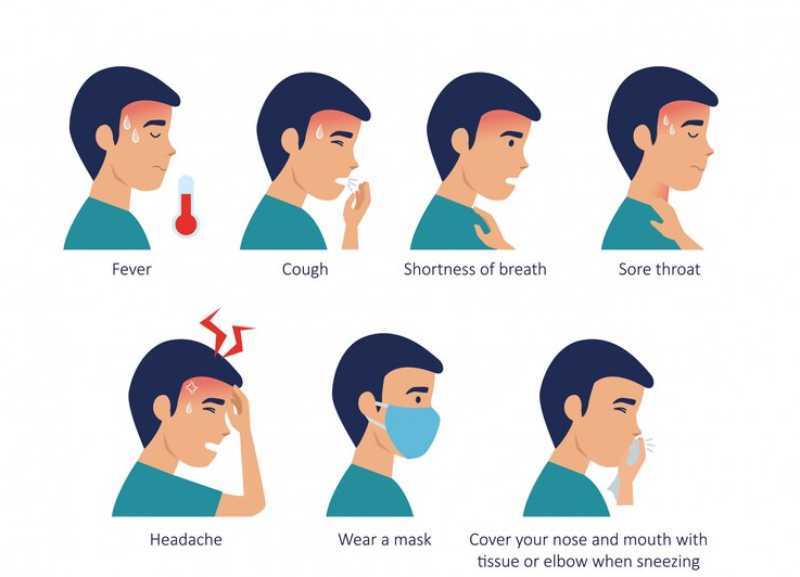
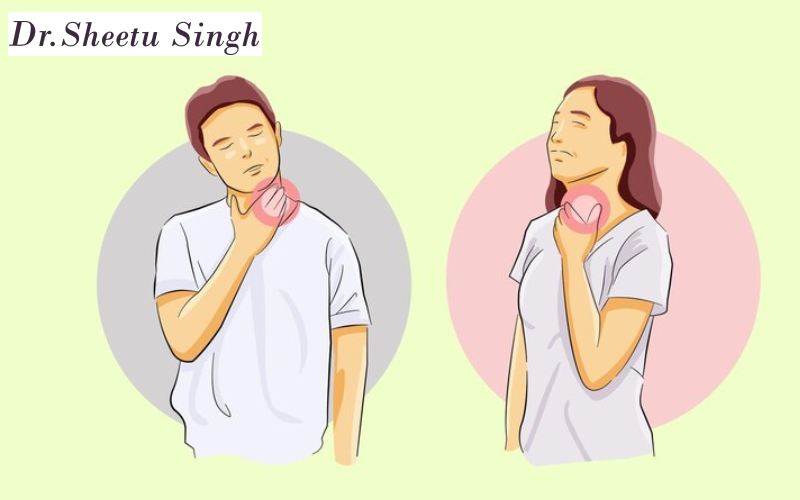
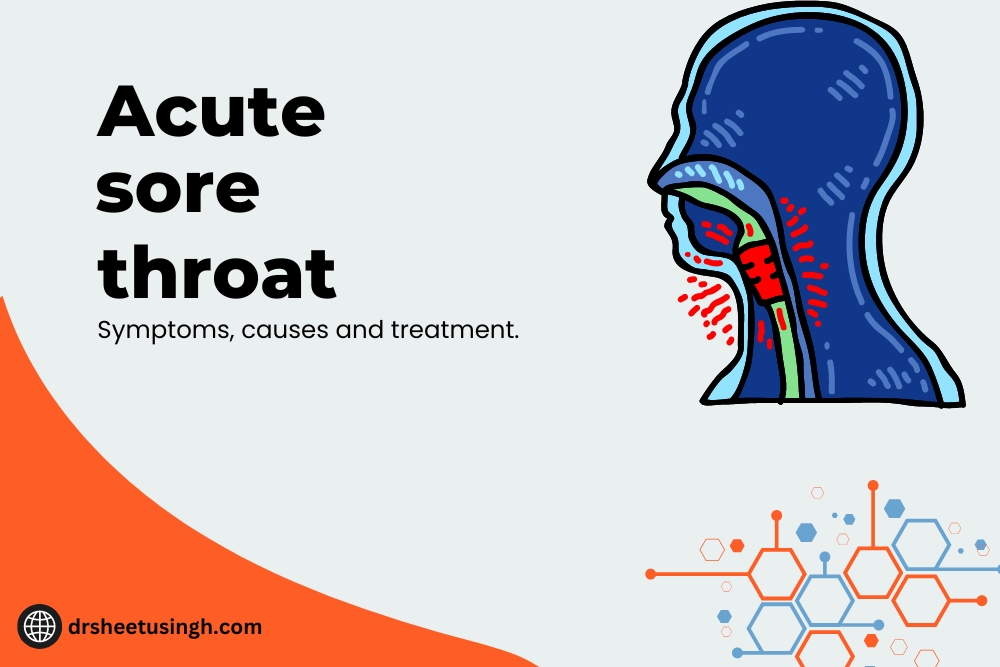
Sore Throat in Adult: A Sore Throat is a common issue and usually is caused by a bacterial or viral infection. The medical term for a Sore Throat is ‘Pharyngitis’. In adults, it typically goes away on its own without any issues, but it’s crucial to know when to seek medical help. A sore throat, as well as other upper respiratory diseases like the common cold, can be brought on by viruses. Antibiotics are not used to treat sore throats brought on by the common cold virus but instead may be treated with pain medication, rest and other therapies aimed at relieving symptoms. Group A Streptococcus (GAS) is a type of bacterium that causes Pharyngitis. Strep Throat is treated with a course of Antibiotics. 

Symptoms of Sore Throat 

Most patients who have a sore throat have viral Pharyngitis. The most common viruses are those that cause upper respiratory infections such as the common cold. Symptoms of viral infection can include:

  • Hoarseness, cough or soreness in the roof of the mouth
  • Congested or a runny nose
  • Irritation or redness of the eyes

Some viruses can make you feel quite unwell and raise your temperature. Approximately 10% of adults with a sore throat have strep throat. The following are strep throat symptoms and warning signs:

  • Fever (temperature greater than (100.4°F or 38°C)
  • Pain in the throat
  • Runny nose, no coughs or irritation and redness of the eyes. 
  • White patches of pus on the back or side of the throat
  • Enlarged lymph glands in the neck

If you have a Sore Throat along with any of the following, then contact Dr. Sheetu Singh, she recommended a treatment plan that included hydration, rest and a course of Antibiotics to address the underlying infection. 

  • Skin rash
  • Difficulty breathing
  • Swelling of the tongue or neck
  • Difficulty opening the mouth or stiff neck
  • drooling due to difficulty swallowing 
  • medicine or underlying condition that may be affecting your immune system

Sore Throat Diagnosis 

Most people with a Sore Throat get Finer without treatment. The typical cold viruses that cause Sore Throat do not have a specific treatment. 

1. Is it strep or not- A combination of symptoms (enlarged glands in the neck, fever, no cough and white patches on your tonsils) can help in determining if you have Strep. A quick test or throat culture may be conducted if you exhibit two or more symptoms. 

Your doctor may review the symptoms and medical history. She or he may conduct a physical exam that includes:

  • examining the throat with a lighted device and, most likely, the ears and nasal passages.
  • Checking for swollen Lymph nodes by gently rubbing the neck. 
  • Listening to your or your kids breathing with a Stethoscope

2. Throat Swab

In many cases, Dr. Sheetu Singh uses a simple test to detect Streptococcal bacteria, the cause of strep throat. To obtain a sample of the patient’s secretions, the doctor uses a sterile swab on the back of the throat. The sample is subsequently delivered to a lab for examination. 

Rapid antigen tests are less accurate, although they can swiftly identify strep bacteria. As a result, if the antigen test is negative, the doctor may send a throat culture to a lab for strep throat testing. In some cases, a molecular test may be used by doctors to find Streptococcal bacteria. A Sterile Swab is used in this test to collect a sample of secretions from the back of the throat. 

Treatment of Sore Throat  

A viral illness that causes a sore throat typically lasts five to seven days and doesn’t require medical attention. Antibiotics don’t help treat a viral infection. To ease fever and pain, many people turn to Acetaminophen (Tylenol) or other mild pain relievers. If your child is experiencing discomfort, you might want to give them over-the-counter pain relievers made specifically for babies or kids, such as acetaminophen (Children’s Tylenol, FeverAll, etc.) or Ibuprofen (Children’s Advil, Children’s Motrin, etc.) to help them feel better. 

Never give Aspirin to teenagers or children because it has been linked to Reye’s syndrome, a rare but potentially life-threatening condition that causes swelling in the brain and liver. 

Treating bacterial infections :

If a bacterial infection is the root cause of your or your child’s sore throat, your doctor or pediatrician will recommend Antibiotics. If the symptoms have vanished, you must still complete the entire course of Antibiotics as directed. If the treatment is not taken completely as prescribed the illnesses may worsen or spread to other areas of the body. Also not completing the full course of Antibiotics to treat Strep Throat can increase a child’s risk of Rheumatic fever or serious kidney inflammation. 

How to Prevent Sore Throat 

Here are some ways to avoid getting that scratchy, raw, burning feeling at the back of your throat. Additionally, take the following precautions to prevent the flu and colds which frequently result in sore throat:

  • Wash your hands often
  • Stay away from individuals who are sick
  • Dont share a drink, food or utensils
  • Eat a healthy diet
  • Keep your hands away from your face and eyes
  • Drink lots of fluids
  • Get plenty of rest

800x500-1.jpg

National Cancer Awareness Day 2023: National Cancer Awareness Day is held on November 7 globally. According to WHO data, nearly 70% of cancer-related mortality occurs in low- and middle-income countries. About one-third of deaths are due to cancer, which is brought on by things including smoking, having a high body mass index, drinking, eating few fruits and vegetables, and not exercising enough. The financial toll of cancer is substantial and rising. Nearly 10 million fatalities will be caused by cancer worldwide in 2020, and the following types were the most prevalent in terms of new cases:

  • Breast (2.26 million cases)
  • Lung (2.21 million cases)
  • Colon and rectum (1.93 million cases)
  • Prostate (1.41 million cases)
  • Skin (non-melanoma) (1.20 million cases) and 
  • Stomach (1.09 million cases)

The following were the leading reasons for cancer deaths in 2020:

  • Lung (1.80 million deaths)
  • Colon and rectum (935000 deaths)
  • Liver (830000 deaths)
  • Stomach (769000 deaths) and
  • Breast (685000 deaths) 

National Cancer Awareness Day: History 

In September 2014, Dr. Harsh Vardhan, the Union Health Minister, first declared a day dedicated to raising awareness of cancer. Therefore in 2014, the focus of the first-ever celebration of the day was on the early detection and treatment of cancer. As far as the history of this day is concerned, November 7 has been carefully chosen as it also marks the anniversary of the birth of Madame Curie, the scientist whose discoveries of radium and polonium led to the development of radiotherapy as a form of cancer treatment.  In the year 1911, her research on radioactivity earned her two Nobel prizes. 

The National Cancer Control Programmed was established in India in 1975 and announced the opening of facilities for the nation’s cancer care. The appropriate tools were available in these facilities to identify cancer at an early stage. 

Significance of National Cancer Awareness Day 2023

The day of November 7 has been designated as National Cancer Awareness Day in an effort to spread and increase public understanding of the deadly condition. A startling 3,17,928 deaths of men and women in India were attributed to excessive tobacco use in 2018, including oral (non-smoking) consumption and smoking. Tobacco is a toxic substance that is believed to be the leading cause of cancer in a number of people all over the world. 

Since that time, 1.1 million new cancer cases have been recorded annually in the nation; some of them are related to tobacco smoking, while others are caused by other cancers, including oral cavity and lung cancer in men, breast cancer, and cervical cancer in women.  Besides the cost factor, the mortality rate among both women and men due to cancer would also be lower if more people visited screening centers at a time when the earliest symptoms were observed. 

The goal of the 2023-24 National Cancer Awareness Day is to increase awareness among the largest possible population in India, motivate them to seek early symptom screening, and successfully prevent and treat the disease in its earliest stages. 

What to Do On 7, November 2023?  

  • Get yourself tested. It’s not always essential to wait until an issue starts to directly affect you before you can identify it. Early signs can sometimes be quickly identified through screening exams, and doctors and other medical experts may be better equipped to assist you if necessary. This is why Dr. Sheetu Singh states that an early diagnosis and intervention in the case of cancer can help save lives. 
  • Create awareness about the disease around you. Make sure you talk to your friends, family, and as many people as possible in your environment about the importance of early screening and diagnosing cancer symptoms. 
  • Assist the afflicted. Unfortunately, there may not be much we can do to assist a person who has been affected by the ailment. However, sometimes small deeds can matter a lot. 

Facts About Cancer 

According to “India Against Cancer,” a site that offers details on the most prevalent cancer in India,

  • Every eight minutes, a woman in India passes away from cervical cancer. 
  • In India, one woman passes away from breast cancer for every two newly diagnosed patients.
  • It is estimated that tobacco use causes more than 3,500 deaths each day in India.
  • Tobacco whether smokeless or smoked is also one of the causes of cancer and accounted for 3,17,928 deaths (approx) in women and men in 2018.
  • It is estimated that 2.25 million people have cancer. 
  • Every year, there are more than 11,57, 294 lakh new cancer cases reported. 
  • The total number of deaths due to cancer in 2018 is 7, 84, 821 men is 4,13,519 and women is 3,71,302 
  • Males in 2018 had a 7.34% chance of dying from cancer before the age of 75, compared to 6.28% of females. 

Note: Males die from lung and mouth cancer at a rate of 25% while women die from breast and oral cancer at a rate of about 25%. 

  • According to WHO, there were around 9.6 million cancer deaths worldwide in 2018.
  • India is the second-leading cause of death from cancer worldwide, after heart disease, according to the Lancet analysis. 
  • By 2020, India is projected to have over 17.3 lakh new instances of cancer and over 8.8 lakh cancer-related fatalities, with the most common types being breast, lung, and cervix cancers. 

Symptoms of Cancer 

It has been observed that cancer typically exhibits no particular symptoms. People should therefore schedule a timely cancer screening that is appropriate. Also, early detection of cancer has made several cancers treatable. General signs & symptoms of common cancer include:

  • Changes in bowel habits, such as persistent diarrhea.
  • Consistent blood or cough in saliva represents simple infections like bronchitis.
  • The fatal condition may also occur from unexplained anemia (low blood count).
  • Urination change
  • Breast lumps
  • Blood in the stool
  • Lumps in testicles

Various Types of Cancer Treatment 

  • Immunotherapy
  • Radiation Therapy
  • Chemotherapy
  • Targeted Therapy
  • Hormone Therapy
  • Surgery
  • Stem Cell Transplant
  • Precision Medicine etc. 

How Can Cancer Be Prevented?

To effectively treat cancer, early prevention and detection are essential. 

  • Healthy Diet
  • Healthy Weight
  • Get Vaccinated
  • Physically Active
  • Don’t Use Tobacco
  • Sun Protection
  • Regular Check-ups etc. 

The health of individuals who pass away from cancer represents a significant threat to India. In 2020, 8.5 lakh persons in India passed away from cancer. National Cancer Awareness Day is commemorated annually on November 7 to increase public awareness of cancer and its mortality rate. Dr. Sheetu Singh contribution offered a ray of hope, reminding us of the crucial part each person can play in raising awareness and promoting information to fight this fatal illness. Her passion and dedication had a lasting effect and reinforced the need for cooperation and information in the fight against cancer.


New-Project-3.jpg

A Sore throat is a scratching, pain, or burning sensation in the throat that often gets worse when swallowing. The most common cause of a sore throat (Pharyngitis) is a viral infection such as the Flu or a cold. A sore throat is a burning or scratchy feeling in the back of your throat. Symptoms of a sore throat typically go away in a few days. An infection-related sore throat disappears on its own. Strep throat, a less ordinary type of sore throat caused by bacteria, requires treatment with Antibiotics to prevent complications. Other less common causes of sore throat might require more complex treatment. 

What is Sore Throat?

A Sore throat, often characterized by pain, discomfort or scratchiness in the throat, is a common ailment that can result from various causes. It typically arises due to viral infections such as the Influenza or common cold which inflame the throat Mucous Membranes. Other factors like allergies, smoking, bacterial infections or environmental irritants can also lead to a sore throat. While the majority of sore throats are minor and go away on their own in a few days, some may need medical treatment, particularly if they last for a long time, are severe or are accompanied by other disturbing symptoms. 

What are the Symptoms of Sore Throat

Other than throat pain, sore throat symptoms may include:

  • throat discomfort or a scratchy feeling
  • Difficult swallowing
  • Speaking or swallowing causes more discomfort
  • Swollen glands, sore in your jaw or neck
  • Headache
  • Fever
  • Runny nose
  • uneasy stomach
  • Swollen lymph nodes
  • cough
  • Nasal congestion (stuffy nose)
  • Fatigue
  • Hoarseness or muffled voice

Throat Anatomy

The throat includes the Esophagus; windpipe also known as the Trachea; and voice box also known as the tonsils, Larynx and Epiglottis. The following are other signs and symptoms of infections that cause sore throats:

  • Cough
  • Fever
  • Sneezing
  • Runny nose
  • Headaches
  • Body aches
  • Vomiting or Nausea

What Causes Sore Throat?

The majority of Sore Throats are caused by viral infections like the Flu or the common cold. Sore Throats may be a symptom of the following conditions or issues:

  • Bacterial infection: Bacterial sinus infection and Strep throat are examples of bacterial infections that may cause sore throats.
  • Allergies: Allergic reactions to dust mites, pollen, pets or mold can make your throat scratchy and dry. Postnasal drip causes a sore throat due to allergies (when your throat feels scratchy due to nasal discharge). Your throat becomes painfully itchy from the mucous. 
  • Tonsillitis: The two tiny lumps of soft tissue at the back of your throat are called tonsils. They seize the germs that make you ill. Tonsillitis occurs when your Tonsils become inflamed and infected. Viruses and Bacteria can cause Tonsillitis.
  • Acid reflux: Those who have Gastroesophageal reflux disease (GERD) experience throat burning and pain. Heartburn is a pain that you experience when stomach acid backs up into your Esophagus. The tube that carries food from your throat to your stomach is called your Esophagus. 
  • Overuse or irritants: By screaming or yelling, you can strain your throat. You may also develop a sore throat if you smoke or drink very hot liquids or eat spicy food. 
  • Mouth breathing: If you breathe through your mouth rather than your nose when you’re sleeping, you may have a Sore Throat. 

Prevention of Sore Throat 

Avoiding germs that cause sore throats and maintaining proper hygiene are the best ways to prevent them. Some of them are:

  • Wash your hands frequently and thoroughly for at least 20 seconds, before and after eating, after coughing or sneezing or after using the toilet.
  • Avoid touching your face. Avoid touching your nose, mouth or eyes.
  • Avoid sharing. Drinking glasses, food or utensils
  • Cough or sneeze, put it in a tissue, discard it, and then wash your hands. When necessary sneeze into your elbow
  • Avoid drinking fountains with your mouth or touching public phones
  • Use alcohol-based hand sanitizers when soap and water are not accessible, as a substitute for cleaning your hands
  • Avoid close contact with individuals who are sick or have symptoms
  • Regularly clean and disinfect doorknobs, phones, remotes, light switches and computer keyboards. When you clean phones, travel, remotes in your hotel room and light switches. 

How are Sore Throats Treated by Healthcare Professionals?

The best way to treat your sore throat depends on what caused it. For instance, If you have a cold and your throat bothers as a result, Dr. Sheetu Singh may suggest over-the-counter medication to treat both your cold symptoms and your sore throat. If you have strep throat, Dr. Sheetu Singh may prescribe Antibiotics to treat the bacterial infection. Additional treatments for particular causes could include:

  • Over-the-counter Antihistamine medication: Sore throats may result from PostNasal drip from allergies. Antihistamines may dry PostNasal drip.
  • Over-the-counter Antacids: The heartburn and sore throat brought on by acid reflux may be relieved with Antacids. Other measures, such as avoiding large meals just before night, may be helpful.

23-Oct-2023.jpg

The World Stroke Organization (WSO) established World Stroke Day on October 29, 2004. The WSO declared to celebrate this day at the World Stroke Congress in Vancouver, Canada. This day is observed worldwide to raise awareness of the significance of rising stroke rates. As per an estimate, one in four people will experience a stroke in their lifetime. These numbers can be reduced as controlling risk factors such as high blood pressure, smoking, atrial fibrillation, exercise, and diet can prevent 90% of strokes. 

The purpose of World Stroke Day is to raise awareness of the effects of having a stroke and to provide people with resources to help them avoid experiencing one. A stroke can be fatal as it occurs when the blood supply to the brain is cut off or if a blood vessel in your brain breaks or leaks. Every year, on World Stroke Day, campaigns are launched worldwide to inform people about the warning signs of brain stroke and its preventive steps. Dr. Sheetu Singh is a well-known member of the medical profession and a vocal supporter of stroke awareness, making her an essential participant in World Stroke Day 2023. She has gained respect and acclaim throughout the globe for her creative research and caring approach to patient care. 

History of World Stroke Day 

World Stroke Day was celebrated on 29th October 2004 at the World Stroke Congress in Vancouver, Canada. The day was declared to raise public awareness later in 2006. The World Stroke Organization was created in 2006 by the union of the World Stroke Federation and the International Stroke Society. Since that time, the World Stroke Organization (WSO) has been in charge of organizing and advocating for World Stroke Day (WSD) across various media. Due to an increase in global stroke data in the 1990s, the idea for World Stroke Day was born. 

The World Stroke Organization (WSO) designated stroke a public health emergency in 2010 in an effort to stop the trend in mortality and disability caused by a lack of knowledge and sufficient access to diagnosis and treatment for all people. According to estimates, stroke-related death and disability cost 11 crore 60 lakh potential years of life in 2016 (a metric for premature mortality). 

The Theme of World Stroke Day 2023 

“Together We Can Be #GreaterThan Stroke” is the theme for World Stroke Day this year. This theme conveys the idea that everyone must work together to avoid stroke and reduce the rising risk factors for stroke.   

Significance of World Stroke Day 

This day is very significant for the healthcare industry. As is well known, stroke is the leading cause of disability and death. A stroke can happen to anyone, anywhere, at any time, for any reason, including stress or medical conditions. Therefore, there was an urgent need to increase awareness of the value of taking preventative steps to lower the stroke rate. This day is devoted to raising awareness among the people through posting on social media, conducting campaigns, conducting community visits, etc. 

Every year on October 29, members, partners, and other interested parties gather to share a common essential message about preventing stroke and taking preventive steps to address and manage the risk factors linked with it. 

What are the Brain Stroke Symptoms 

Here are some warning signals to look out for:

1. Face Drooping: There may be numbness or drooping on one side of the face. So the smile may appear uneven if the person smiles.

2. Arm Weakness: Our arm might feel numb or weak. The individual can be unable to raise both arms or one arm might droop.

3. Speech Slurred: The person who speaks might not be able to talk, or their words might not be intelligible.

4. Time to Call for Help: Call for emergency medical assistance if a person exhibits any of the aforementioned symptoms.

More symptoms include: –

  • Trouble seeing in both or one eye
  • Difficulty in walking. May experience loss of coordination and dizziness
  • Terrible headache with no known cause
  • Experience trouble in talking/speech
  • Numbness in your face or on either side of your body (leg, arm) 

How to Prevent a Stroke? 

The first step in preventing a stroke is to become aware of the many risk factors involved. For instance. 

1. Connection of a stroke with high blood pressure: Half the incidents of stroke worldwide can be directly attributed to high blood pressure. Yes, you are right! A sizable portion of the global population is afflicted by high blood pressure, which frequently manifests itself without any clear symptoms. It’s crucial to keep your blood pressure under control by routinely checking it because hypertension plays a significant role in the development of a stroke. 

2. Relation of a stroke with smoking and alcohol consumption: Drinking and smoking alcoholic beverages increases the risk of a stroke. Regular and heavy smokers are more likely to experience a stroke compared to non-smokers. Similarly, extreme alcohol consumption is also associated with a stroke. 

3. How stroke and exercise are linked: Another major contributor to the global stroke epidemic is physical inactivity. Regular exercise and physical activity is an excellent way to reduce the risk of stroke. 

4. Diet and stroke connection: The best diet is a plant-based one that includes some fish and meat in moderation. Make sure to eat plenty of fruits and veggies. Once or twice a week, you can add sardine or salmon fish to your diet. You can also eat legumes two to three times each week and nuts, particularly tree and peanut nuts. 

5. Role of high cholesterol in stroke: Stroke risk factors include high cholesterol as well. To determine your cholesterol level with a blood test, it’s crucial to have regular checkups. Lowering cholesterol will reduce your risk of having a stroke.

6. Diabetes also increases the risk of a stroke: According to research, diabetes affects 1 in 5 patients who have a stroke. Diabetes patients face more risks than others, and their chances of recovery are significantly lower. So, if you want to avoid having a stroke, it’s time to make some lifestyle changes. If you currently have diabetes, you should also work to manage your condition.

Importance of World Stroke Day 

World Stroke Day is significant in the following ways:

  • Increases awareness of the global impact of stroke.
  • Demonstrates the significance of prompt medical assistance.
  • Promotes cooperation when tackling a pressing public health issue.
  • Empower individuals to make lifestyle changes for stroke prevention.
  • offers survivors a platform on which to tell their stories.
  • Encourages the development of new treatments and innovative research.
  • Sparks conversations on healthcare disparities and access.
  • Encourages the debate of policies that will improve stroke support and care.

world-polio-day-24-october-2023.jpg

Every year on October 24, the world celebrates World Polio Day. It is a day dedicated to making the world polio-free. It is a day to celebrate the progress made in eradicating polio and to commemorate the achievements of health workers and volunteers who work diligently to achieve the goal. The World Health Organization defines polio as a serious disease caused by a virus that targets the nervous system and can result in permanent paralysis. As a result, it is critical to eradicate polio on a global basis. 

World Polio Day is an event held to recognize the efforts made worldwide by various organizations and groups of people to eradicate poliomyelitis (polio). The World Health Assembly pledged in 1988 to eradicate the polio virus globally. The WHO proclaimed the European region polio-free in 2002. On October 24th, World Polio Day is celebrated to raise awareness about polio vaccination for children and to recognize the efforts of health workers, volunteers, and everyone else who contributes to the cause of polio eradication. To participate in marking World Polio Day 2023, contact Dr. Sheetu Singh. She is an experienced advocate for global health and is actively involved in raising awareness about the ongoing fight against polio. Her knowledge and devotion make her a useful resource for anyone looking forward to contributing to the eradication of this debilitating disease. 

 Significance of World Polio Day 2023

World Polio Day 2023 is significant in its own right. It has been seen for more than a decade. It has a lot of significance. Rotary International and other private groups generate funds to build awareness initiatives about the severity of Polio disease and the significance of administering immunizations to babies in order to keep the country polio-free. 

World Polio Day 2023 is significant as it signifies another year of global commitment to polio eradication. This day serves as a reminder of the significant progress made in the fight against this awful illness, which has been made possible by the collaborative efforts of governments, health organizations, and devoted individuals all around the world. It is time to recognize the incredible decrease in polio incidence and the increasing awareness of the necessity of vaccinations. 

Furthermore, World Polio Day serves as a tremendous call to action, pushing us to keep working together until polio is completely destroyed. In 2023, it represents our unchanging desire to cross the finish line and ensure a polio-free world for future generations. 

History of World Polio Day 

Rotary International launched the World Polio Day campaign in 1985 to recognize the birth anniversary of Jonas Salk, an American physician and researcher who developed the first polio vaccine, which was used in 1955. Later, in 1961, the oral polio vaccine was developed by Albert Sabin to immunize kids with oral polio drops. Polio vaccines are currently highly recommended all around the world as a preventative measure for everyone, particularly tiny and fragile children under the age of five. 

Rotary International and the World Health Organization established the Global Polio Eradication Initiative (GPEI) in 1988. At the time, there were around 3,50,000 cases worldwide. The European countries have now declared themselves to be polio-free. But still Asian countries like Pakistan, Afghanistan, and India still find rare cases across the country. 

Rotary International has been celebrating World Polio Day 2023 for over a decade. This year, they announced a public awareness campaign to encourage parents to vaccinate their children on time. 

The Must-Know Top 4 Polio-Related Facts

  • Polio Mostly Affects Children: Polio is a disease that primarily affects children under the age of five.
  • Permanent Immobility: Polio might cause immobility of certain limbs or permanent paralysis. Poliovirus attacks the respiratory muscles of the afflicted person, causing immobility. Some people may die as a result of the infection.
  • Polio Cases Have Gone Down: Globally, there were over 350,000 polio cases in 1988, while there were just 37 cases in 2016.
  • Single Case: Even if there is just one instance of polio, the disease has the potential to spread.

What Can Be Done to Eradicate Polio? 

Everyone must work together to eradicate polio and make it a thing of the past. Polio could be eradicated forever if everyone works together. To that end, it is critical to mark World Polio Day and raise as much awareness as possible among people around the world. Observing polio awareness day can help people know about the disease’s severe effects and how it can paralyze a person for life. This will assist in sending the message to those living in the remotest part of the globe and acquaint them with the impact of polio on their children and their lives. 

Here are some methods for informing people about World Polio Day and steps to eradicate the deadly illness:

  • Spread Awareness about Polio in Your Community and People around You: If everyone promises to spread the word about the importance of the polio drive, it will make a difference in finding even one case of polio around the world. 
  • Offer Support in Saving Lives: Ignorance is a major disadvantage, especially when dealing with a communicable disease like polio. By initiating various awareness campaigns, it is possible to save lives and eradicate the polio virus completely. 
  • Getting into the Root Cause of Polio: Polio spreads through three kinds of viruses that are contagious and often spread through contact with the infected feces. Thus, polio is caused by handwashing and poor sanitation or by consuming contaminated food and beverages. To reduce the spread of polio, it is vital to raise knowledge about the causes of polio and preventive measures.
  • Use Social Media to Spread the World: On World Polio Day, use the occasion to share polio-related stories on social media platforms so that everyone can see them. You can utilize World Polio Day resources and share them on your social media accounts. 

What are the Different Ways to Observe World Polio Day?

  • Polio is a worldwide issue that requires the participation of global communities to eradicate. To help the cause, you can donate money as well as your time to raise awareness about polio.
  • One can also participate in activities to generate donations for various organizations striving to eradicate polio.
  • This day should be used to vaccinate your children against polio and to eradicate the infection. Vaccination is essential for controlling the spread of the polio virus. 
  • Many asymptotic carriers of the polio virus are likely to spread the disease. Use this day to get every kid vaccinated against this disease.

FAQ’S 

What is Polio?

Polio is a deadly disease that attacks the neurological system of humans via viruses and can result in permanent paralysis.

When did India’s pulse polio immunization campaign begin?

On October 2, 1995, India launched its Pulse Polio Immunization Program. Every year, India sets a pulse polio vaccine day to immunize children with oral polio drops. On March 27, 2014, India and other South-East Asian WHO areas were certified polio-free. 

What are the polio symptoms?

Some symptoms include a stiff neck, high fever, trouble speaking, difficulty breathing or swallowing food, pain in the limbs, exhaustion, paralysis, nausea, and headache.

Polio is caused by which virus?

Polio virus causes polio or poliomyelitis among humans, especially small children.


Global-Handwashing-Day-2023.jpg

Global Handwashing Day is an annual global advocacy day dedicated to promoting soap-free handwashing as a simple, practical, and cost-effective strategy to prevent disease and save lives. The Global Handwashing Partnership founded Global Handwashing Day as an opportunity to design, test, and repeat unique ways to urge people to wash their hands with soap at key times. Global Handwashing Day is celebrated every year on October 15th. 

The first Global Handwashing Day was held in the year 2008 when over 120 million youngsters from more than 70 nations cleaned their hands with soap. Since 2008, community and national leaders have used Global Handwashing Day to raise awareness about handwashing, construct sinks, and tippy taps, and illustrate the ease and benefit of clean hands. Since then, Global Handwashing Day has grown in popularity. Global Handwashing Day is endorsed by schools, governments, civil society, international institutions, NGOs, individuals, private companies, and many more. 

Global Handwashing Day 2023‘s theme is “Clean Hands Are Within Reach.” 

Germs: They are everywhere

Deadly microbes that trigger illnesses like COVID-19, cholera, flu, conjunctivitis, chickenpox. Hepatitis A and B can live on your hands’ skin. How? As they reach your hands when you contact everyday objects such as money coins/notes, public transportation handrails, toilet flushes, washroom door knobs, lift handles, workplace utilities, and so on. They can survive on your hands for hours. So if you eat with unclean hands or touch your nose or eyes with them, you are very certainly infected with COVID-19 or one of the other contact transmission diseases. 

Handwashing- Your Weapon Against Germs 

According to research, consistent hand washing can prevent nearly 1 million deaths per year. So, whenever you touch something outside your home, wash your hands.    

So How Does Handwashing Work?

  • Soap and water/liquid hand wash: Liquid hand wash contains skin-friendly chemicals that are toxic to bacteria. These compounds can kill any surface-dwelling bacteria, viruses, or fungi. When you hold your hands under running water, any remaining bacteria are flushed away, leaving your hands clean and pathogen-free. 
  • Sanitizer: Propanol and isopropanol, which are used to make alcohol-based hand sanitizers, can damage cells (but just germs, not your skin cells). When a virus, bacteria, or fungus comes into contact with alcohol, the protein structure of the virus, bacterium, or fungus is destroyed. If you are traveling, bring an alcohol hand sanitizer with you.  

The Correct Handwashing Technique 

Handwashing is only effective when done correctly. If you are using water and handwashing- 

  • Wet your hands.
  • Using a coin-sized amount of handwash.
  • To make a foam, rub the ingredients together.
  • Rub your fingers together to get the soap into the gaps between your fingers.
  • Now, lather the backs of your hands all the way up to your wrists.
  • Pay close attention to the base of the thumbs, which are sometimes forgotten when handwashing.
  • Make sure you wash the underside of your nails where germs and dirt accumulate.
  • Wash thoroughly with flowing water.
  • Scrub your hands with water and hand wash for at least 20 seconds.

If You are Using Alcohol-Based Hand Sanitizer 

  • Squeeze out around 3 mL of hand sanitizer.
  • Rub the alcohol-based sanitizer between your palms and the backs of your hands in the same way you would a conventional hand wash.
  • Pay great attention to the flesh between your fingers. 

Hand Wash vs Hand Sanitizer: Which One Should You Opt for?

In terms of destroying germs, both alcohol-based hand sanitizer and handwash are equally effective. If you are in the office or at home, use water and liquid handwash as this strategy can also remove dirt, which hand sanitizers can’t. Always use hand sanitizers that contain at least 60% alcohol. 

Handwashing is a cost-effective and simple way to keep yourself and your loved ones safe. Prevention is better than cure. So, make a habit of using hand sanitizer and liquid handwash right away. 

A Cost-Effective Intervention 

During the COVID-19 pandemic, 3 in 10 people worldwide could not wash their hands with water and soap at home. Even today, 43% of healthcare workers are unable to wash their hands before delivering care. Similarly, 47% of schools in underdeveloped nations lack handwashing facilities, leaving 900 million pupils globally without a place to wash their hands while at school. There are also huge disparities between low-and high-income countries, and between urban and rural areas. To achieve one of the Sustainable Development Goals set by the United Nations of having everyone be able to wash their hands at home by 2030, governments must move at least four times faster. 

Accelerating advancement would have numerous advantages. Handwashing with soap can reduce:

  • Acute respiratory infections by up to 23%
  • The personal risk of seasonal flu and colds by 36%
  • The risk of endemic diarrhea by 30-48%
  • Infant deaths caused by infections by 27%
  • Missed school days by 43%
  • Increases the risk of pneumonia by up to 50%

Handwashing is also one of the least expensive strategies to promote public health, with a cost of only US$3 per disability-adjusted life year. Investing in programs that encourage soap-free handwashing can potentially yield significant economic benefits. In India, for example, such programs may generate a net return of $5.6 billion. According to WaterAid’s research, all people having access to clean water and soap could cut disease outbreaks by up to 20% and save more than $2.6 trillion in health costs between now and 2040. 

Dr. Sheetu Singh is a shining beacon of inspiration and dedication in public health, making her an ideal role model to honor on Global Handwashing Day 2023. As a renowned specialist in hygiene and infectious disease prevention, she has relentlessly fought for the simple yet critical habit of handwashing, highlighting its critical role in protecting public health. Her dedication to promoting handwashing as a low-cost, life-saving action has unquestionably made the world a safer and healthier place.


H3N2-Flu-Symptoms-Treatment-Outlook-and-Prevention.jpg

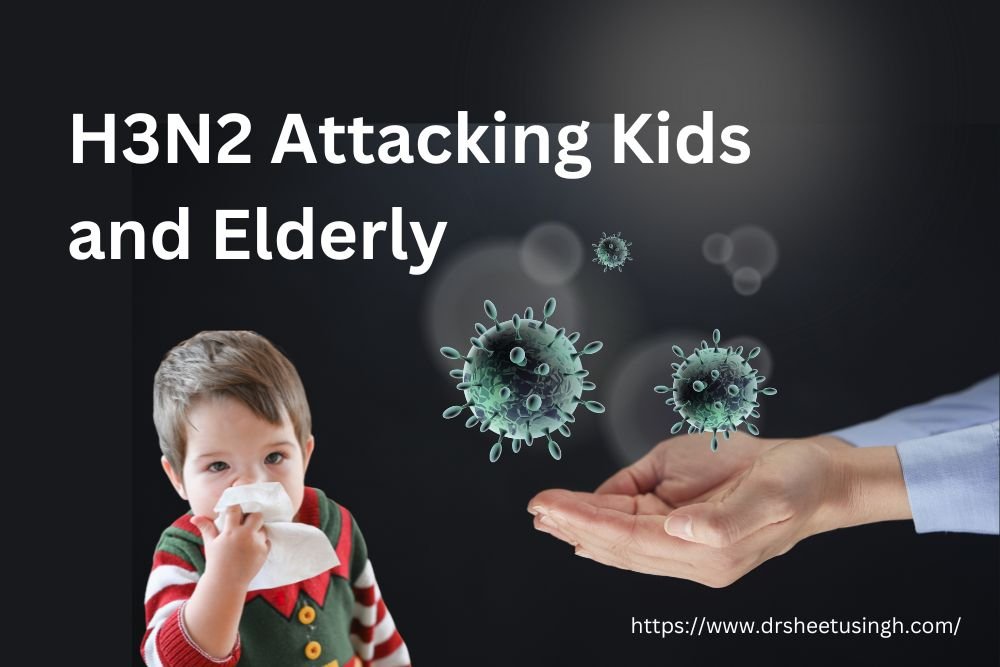
Colds, flu and fever are the first illnesses to show up when the weather and climate change. H3N2 is one Influenza that has received a lot of recent attention. H3N2 is a non-human Influenza that normally circulates in pigs but can infect humans. The viruses known as “swine influenza viruses” commonly affect pigs. They are known as “variant” viruses when they affect people. A few reasons why H3N2 is spreading in India include low vaccination rates (for the flu vaccine) and high pollution. India experiences two peak flu seasons: one from November to February and one throughout the monsoon season. According to current research, H3N2 infects and harms persons over the age of 65 as well as children under the age of 5 years. 

How Can You Catch H3N2 Flu?

H3N2 flu is spread and contagious through droplet infections like COVID-19 and other several seasonal flu. You can catch the virus by coming in touch with an infected surface and touching your eyes, face or mouth immediately. When you come into contact with an infected person, you run the risk of being sick as well. Once your symptoms flourish, they may last up to 5 or 7 days. 

Symptoms of H3N2 Flu

Infection with the H3N2 virus typically lasts between five and seven days, although it can sometimes result in a severe cough that lasts up to three weeks. The symptoms of H3N2 flu are equivalent to other seasonal flu and include:

  • Headache
  • Stuffy or runny nose
  • Chills
  • Sore throat with cough
  • Fever
  • Body ache
  • Diarrhea
  • Fatigue
  • Vomiting
  • Minor congestion

How is H3N2 Flu Diagnosed?

If you suspect that you have H3N2, you should contact your healthcare provider for an evaluation. They might ask for an RT-PCR test to confirm the diagnosis. This test entails collecting a sample from your nose or throat and checking it for the flu virus. Dr. Sheetu Singh can diagnose the H3N2 flu due to common symptoms with other flu, they may recommend patients undergo lab tests to rule out any other illnesses common during the season. 

How is H3N2 Flu Treated?

The treatment for H3N2 flu depends upon the individual’s severity and symptoms. H3N2 cases that aren’t difficult are handled the same as any other seasonal flu: 

  • Drinking enough fluids (soups, juice, water) to stay hydrated
  • Getting plenty of rest
  • Taking over-the-counter medications to help relieve headache, fever and body pain

In some cases of H3N2, Antivirals like Baloxavir, Oseltamivir and Peramivir may be given. Antiviral drugs can reduce the length of the flu and avoid complications when taken within 48 hours after the onset of symptoms. If you fit one of the following high-risk groups, get immediate medical attention:

  • Children under 5 years of age
  • Adults over 65 years of age
  • Pregnant women
  • Individuals with chronic medical conditions like pneumonia, asthma, diabetes, weakened immune system or heart disease. 

Is There A Vaccine For H3N2 Flu?

Flu shots protect the general population from serious illnesses and their symptoms. Unfortunately, there is no specific vaccine to protect against H3N2 flu. The annual flu shot offers defense against three to four influenza virus strains (hence the terms trivalent or quadrivalent). However, these flu vaccines protect you more from the HIN1 viruses and influenza B viruses than the H3N2 viruses. Due to the H3N2 viruses’ propensity for genetic changes, which occur more frequently than those of other viruses, vaccination is less efficient in protecting against them. 

What is the Outlook of H3N2 Flu After Treatment

Despite the rising cases of H3N2 flu, most people can recover at home with or without treatment from their physicians. The flu symptoms last for about a week or two, although a cough and fatigue may persist for an additional two weeks. The following signs may necessitate that you seek immediate treatment:

  • Pressure or pain in the chest
  • Difficulty in breathing or shortness of breath
  • Confusion
  • Severe or persistent vomiting
  • Lightheadedness or dizziness
  • Worsening of existing symptoms 

Can H3N2 Flu Be Prevented?

Despite the lack of an H3N2-specific vaccination, we may still safeguard our loved ones and ourselves by taking the following precautions:

  • Get a flu vaccination every year, preferably before winter arrives
  • Wash your hands frequently with water and soap, especially after using the washroom, before touching and eating your mouth, face and eyes
  • Wear a mask when going in a poorly ventilated indoor space or a crowded area 
  • During flu season, stay away from busy areas where the infection can swiftly spread
  • Avoid interacting with sick people.
  • Avoid taking Antibiotics without your doctor’s prescription

The H3N2 flu is a dangerous viral infection that can have substantial consequences for morbidity and death, especially in populations that are already at risk, such as the elderly and small children. You should stay home if you have the H3N2 flu to stop the virus from spreading. Following the fever’s resolution, it is advised to remain at home for at least 24 hours.


8-Most-Common-Food-Allergies-in-Babies.jpg

Most Common Food Allergies in Babies :- It’s an exciting and important experience to introduce new meals to your kid. All too frequently, anxiety, doubts and worries regarding food allergies can dampen this incredibly wonderful period. Over the past decade, there has been a sharp rise in the prevalence of food allergies, with some foods seeing a double- or triple-fold increase. In the US today, around 1 in 13 kids suffer from a food allergy. Over 160 foods have been discovered to date, and any item has the potential to produce an allergic reaction. 

However, milk, eggs, peanuts, soy, wheat, tree nuts, shellfish, fish and sesame are responsible for 90% of all food allergies and are the most common among children and babies. Dr. Sheetu Singh is a renowned pediatric allergist who possesses extensive expertise in the field of pediatric allergies and immunology. She offers invaluable insights, precise diagnosis, and evidence-based advice for treating food allergies in babies thanks to her extensive knowledge of food allergies and their possible impact on a child’s development. 

1. Peanuts 

Peanut allergies typically first manifest in a child’s formative years and are a chronic condition. However, up to 22% of kids will discover that their allergy goes away as they get older and enter adolescence. The symptoms of a peanut allergy can range from moderate to severe, and even a small amount of the protein when digested, can trigger serious allergic reactions. When someone with a peanut allergy consumes peanuts or any food that contains peanuts, their immune system interprets the protein as being dangerous. It then overreacts causing symptoms such as itching, stomach aches, swelling and even life-threatening reactions like Anaphylaxis. 

2. Tree Nuts 

Tree nut allergies are one of the most frequent foods causing acute allergic responses and can be linked to severe allergic reactions like Anaphylaxis, affecting about 2% of the population. If your child has an allergy to one variety of tree nuts, it doesn’t follow that they will also have an allergy to other varieties or even to peanuts. However, there is a high chance that they will be allergic to multiple, closely related types like pecans and walnuts. Even while tree nut allergies typically manifest in childhood and last a lifetime, research suggests that up to 14% of people may eventually overcome their allergies.

3. Milk 

Cow’s milk is one of the most common causes of food allergies, especially in young children. Up to 20% of kids may outgrow this allergy by the age of four, while other kids will continue to have it until adulthood. Babies with milk allergies may experience a variety of symptoms, ranging from mild to severe. In contrast to most allergies, a reaction to milk can cause a colicky, unhappy infant, blood in the stool and indicators of stunted growth in addition to more typical allergy symptoms like hives or even anaphylaxis. True milk allergies are distinct from milk intolerance and lactose intolerance. Intolerance doesn’t involve the immune system but rather causes reactions like bloating, indigestion or gas. 

4. Egg 

About 2% of young children have an egg allergy, which is another fairly frequent food allergy in infants and toddlers. Signs of an egg allergy can include respiratory problems, stomach aches, hives or rashes and in extreme cases, Anaphylaxis. Although egg whites contain the proteins that cause allergies, some kids may only be intolerant to the yolks or the whites and not the other way around. Despite being one of the most widespread allergies, studies have shown that 68% of kids who have an egg allergy will outgrow it by the time they are 16 years old. 

5. Shellfish 

Shellfish is a term for marine animal species crustaceans, Mollusks and Echinoderms. It includes seafood such as crayfish, lobster, crab, shrimp, clams, oysters, scallops and mussels. Some people who acquire a shellfish allergy may respond to any shellfish, while others may only experience an allergic reaction to one or two. Reactions can range from mild to severe with symptoms like swelling, hives, a stuffy nose and even Anaphylaxis. 

6. Fish 

Fish allergies, which include typical seafood allergies like Cod and Salmon, can affect up to 2% of the general population. If you or your child has a fish allergy, it does not necessarily follow that you will also have a shellfish allergy and vice versa. A fish allergy can also have similar symptoms as a reaction to viruses, bacteria, toxins or other contaminants in the fish. 

7. Grains 

Wheat and Oats are some of the most ordinary allergy-inducing grains. A grain allergy develops when your immune system overreacts to proteins found in wheat, as opposed to celiac disease, which is an autoimmune condition that causes a shortage of digestive enzymes for wheat in the intestines. Grains are not only very prominent in food but also in other household products like bath products or cosmetics. 

8. Soy

Only 0.4% of babies will acquire a soy allergy, which is brought on by a protein found in soy or items containing soy, and 70% of kids who do will outgrow the allergy as they get older. Normally, allergic reaction symptoms will include swelling and itchiness and only in the rarest of cases can this turn into Anaphylaxis.


6-Most-Common-Types-of-Allergies.jpg

A food allergy is an immune system response that happens immediately after consuming a particular meal. A relatively small quantity of allergenic food can result in symptoms like gastrointestinal problems, rashes or expanded airways. A food allergy may in some cases result in severe symptoms or even a life-threatening reaction known as Anaphylaxis. An allergy develops when your body’s natural defenses overreact after being exposed to a certain substance, viewing it as an invader and releasing chemicals to defend against it. More than 50 million Americans suffer from allergies of some sort. Most likely, you either know or are one of those folks. 

According to the Centers for Disease Control and Prevention, food allergies are estimated to affect 4% to 6% of children and 4% of adults. Food allergy symptoms are most frequent in children and babies, but they can appear at any age. When a person has a food allergy, their immune system responds to specific food proteins as if they were dangerous germs. 

What Causes Food Allergies?

When you have a food allergy, your immune system interprets a particular food or a component of food as being dangerous. In response, your immune system triggers cells to release an antibody known as Immunoglobulin E (IgE) to neutralize the allergy-causing food substance. The majority of food allergies are brought on by specific proteins: 

  1. Peanuts
  2. Crustacean shellfish such as lobster, shrimp and crab
  3. Fish
  4. Cow’s milk
  5. Chicken eggs
  6. Soy
  7. Wheat
  • Pollen-food allergy syndrome 

Many hay fever sufferers have pollen food allergy syndrome, often called oral allergy syndrome. In this condition, certain vegetables and fresh fruits or spices and nuts can trigger an allergic reaction that causes the mouth to tingle or itch. In extreme circumstances, the reaction might cause swelling in the throat or even Anaphylaxis. Proteins in certain vegetables, fruits, spices and nuts cause the reaction because they’re similar to allergy-causing proteins found in certain pollen. 

  • Exercise intolerance and other reactions 

Some people may experience itching and dizziness shortly after eating specific foods and beginning to exercise. Serious cases may even involve Anaphylaxis or Hives. Avoiding particular foods and waiting a couple of hours after eating to exercise will help avoid this issue.

  • Food intolerance and other reactions 

The same signs and symptoms of a food allergy may also be caused by food intolerance or a reaction to another substance you consumed- such as vomiting, nausea, diarrhea and cramping. Depending on the kind of food intolerance you have, you might be able to consume modest quantities of problematic foods without experiencing a reaction. The following are common illnesses whose symptoms can mimic those of a food allergy:

  1. Food poisoning
  2. Sensitivity to food additives
  3. lack of an enzyme necessary for thorough food digestion
  4. Celiac disease
  5. Histamine toxicity

Symptoms of Food Allergy 

Some people’s allergic reactions to certain foods may be uncomfortable but not life-threatening. For other people, an allergic food reaction can be life-threatening and even frightening. Food allergy symptoms commonly develop within a few minutes to 2 hours after eating the offending food. In rare cases, symptoms can not appear for several hours. Among the most common food allergy signs and symptoms include:

  1. Tingling or itching in the mouth
  2. Swelling of the face, lips, throat and tongue or other parts of the body
  3. Itching, hives or Eczema
  4. Nasal congestion, wheezing or trouble breathing
  5. Diarrhea, abdominal pain, vomiting or nausea
  6. Lightheadedness, dizziness or fainting
  7. A fast heartbeat is known as Tachycardia
  8. Streaming eyes and nose
  • Anaphylaxis 

Anaphylaxis is a severe allergic reaction that can occur as a result of a food allergy in some persons. This may result in symptoms and signs that are life-threatening, such as:

  1. shock accompanied by a sharp drop in blood pressure
  2. Tightening and constriction of the airways
  3. Breathing is made challenging by a swollen throat or the sense of a lump in your throat
  4. Rapid pulse
  5. Lightheadedness, dizziness or loss of consciousness 

Treatment of Food Allergy 

Avoiding the food that triggers a reaction has always been the best strategy to treat food allergies. Additionally, when signs of a response appear, they can be treated. Oral Immunotherapy is a relatively investigative and new way to manage food allergies. To raise the temperature at which a reaction occurs, the person must be exposed to an allergen at increasing doses. Oral Immunotherapy is not available for all foods, but the Food and Drug Administration (FDA) has approved a treatment for peanut allergy called Palforzia. 

Elimination may entail not only abstaining from eating the particular food but also making sure to never touch, inhale or consume foods containing traces of it. Crockery, Cutlery, Chopping boards and Cooking surfaces may also need to be free of the allergen. A person may need to hunt for alternative sources of some nutrients while on an elimination diet. For instance, milk is a common source of protein and calcium, so people removing this from their diet will need to ensure that they get these nutrients from other foods. People will need to carefully study food and beverage labels. Pet foods, glues, soaps and adhesives may have traces of a food allergen. If you are in search of a dedicated and experienced food allergy doctor, look no further than Dr. Sheetu Singh. She is well-known for her knowledge in the field of allergology and has built a strong reputation for her dedication to and compassion for her patients. 

  • Medications for emergencies 

In the event of an allergic reaction, the following medications are beneficial:-

  1. Antihistamines: These come in the form of liquids, gels or tablets. They are usually effective for people with moderate or mild food allergy symptoms. The majority of allergy symptoms are brought on by histamines, which antihistamines work to suppress.
  2. Epinephrine: This therapy is intended for people with food allergies who risk developing Anaphylaxis. Epinephrine raises blood pressure by tightening the blood vessels. The airways are also relaxed.

6-Most-Common-Types-of-Allergies.jpg

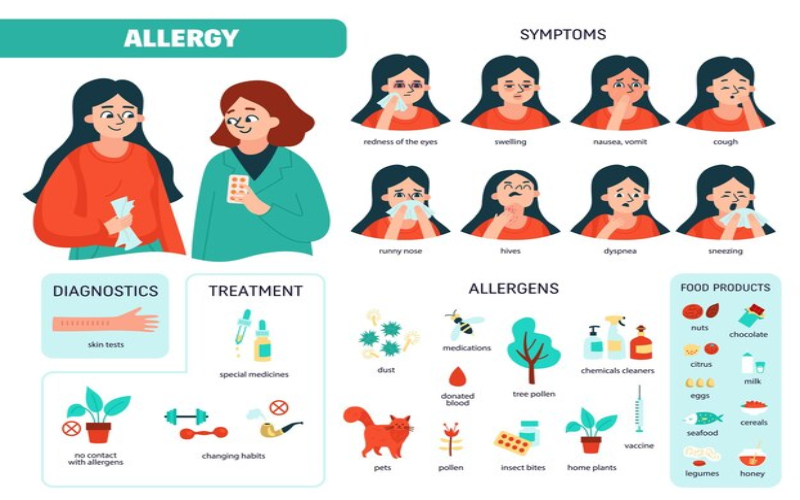
In the United States, allergies are the sixth most common cause of chronic illness. Over 50 million Americans are thought to suffer from some kind of allergy. An allergen, which is a foreign material, triggers an Immunological response or overreaction in people with this illness. Many foreign substances can trigger an allergic reaction, ranging from medications, pets, foods and airborne particles inhaled through the lungs. The symptoms can range from moderate (coughing, itchy eyes, a scratchy throat, sneezing, hives, and a runny nose) to severe and occasionally life-threatening (triggering an asthma attack, difficulty breathing, low blood pressure, and even death) depending on the kind of allergy and the degree of the reaction. 

Types of Allergies 

The 6 Common Types of Allergies :-

  • Food Allergies: Allergens can come from any food. The reaction may be categorized as a food sensitivity or intolerance rather than an allergy depending on the food and how the body reacts. As opposed to allergies, lactose intolerance is the inability to digest the lactose found in milk. Symptoms of a food allergy may include hives, itching, vomiting, nausea, diarrhea and swelling around the mouth. Here are some of the most typical food allergies:
  1. Milk
  2. Eggs
  3. Soy
  4. Peanuts
  5. Shellfish
  6. Wheat
  7. Tree nuts
  8. Fish
  • Drug Allergy: In a drug allergy, immune compounds called Immunoglobulin E antibodies react to the drug. The medicine might trigger allergic symptoms across the body as it circulates throughout the entire body. Symptoms may include wheezing, hives, throat, shortness of breath and mouth swelling, diarrhea, fainting or vomiting. If it is suspected that you may have a drug allergy, Dr. Sheetu Singh can test for an Immunoglobulin E (IgE) response to certain diseases. The most typical medication allergy, affecting 10% of persons, is Penicillin.
  • Latex Allergy: Natural rubber products manufactured from the sap of the Brazilian rubber tree include latex. Inhaling latex fibers or coming into physical contact with a latex product can both cause an allergic reaction. The following are some items that contain Latex: –
  1. Bandages
  2. Rubber balls
  3. Rubber bands
  4. Balloons

Rubber household gloves

Symptoms of a latex allergy typically include itching, swelling and redness after coming into contact with Latex.

  • Insect Allergy: A localized reaction, such as itchiness, swelling, redness or discoloration where the bite or sting occurred is normal; nevertheless, some people experience an excessively severe reaction to bites. Stinging insects like wasps, bees, hornets, fire ants and yellow jackets are most likely to cause an allergic reaction and the reaction can be severe. It’s crucial to get medical assistance right away if you experience an allergic reaction as it may be fatal. These are some possible early signs:
    1. Dizziness
    2. Fainting
    3. Swelling of the tongue, lips or throat
    4. Itching, skin rashes or hives
    5. Having the impression that something terrible is about to occur
    6. Vomiting, stomach pain, diarrhea or bloating
    7. Trouble breathing, shortness of breath or wheezing
  • Airborne Allergens: The most ordinary allergy triggers are small-scale particles found in outdoor and indoor air. These airborne particles have the potential to inflame and swell the sensitive tissue surrounding the eyes as well as the nasal airways. This, in turn causes symptoms commonly associated with allergies such as watery eyes, runny nose, itchy, congestion and sneezing. Common allergens in the air include: 
    1. Dust mites: These are tiny organisms that live in dust in box springs, pillows, mattresses, sofas, carpets and other household objects.
    2. Mold: Mold releases spores, which are inhaled microscopic particles. Mold is frequently found indoors in moist areas like the kitchen and bathroom, as well as outside in Mulch, leaf piles and tree stumps.
    3. Pollen: This is a substance that trees and plants release at specific periods of the year. The spring and fall tend to be the worst seasons for it. 
    4. Animal dander: Pets secrete proteins in their saliva and perspiration that might cause an allergic reaction. These proteins are then expelled as dander or dead skin cells. 
  • Skin Allergens: Skin allergies are more common in people with sensitive skin and skin conditions like Eczema. An allergic reaction may be triggered by chemicals in detergents, skincare products and soaps as well as contact with plants such as poison oak, poison ivy and poison sumac. Symptoms may include inflammation, formation of dry, rash, hives and itchy patches.

Types of Allergic Reactions

The immune system’s response to an allergen causes an allergic reaction. Reactions can be classified as mild, moderate and severe with symptoms as follows:

  • Mild: This type includes nasal symptoms including itchy, watery eyes, congestion, and runny nose as well as localized reactions, such as rash or hives when contact with an allergen occurs.
  • Moderate: These include signs and symptoms that affect different bodily areas, such as wheezing, breathing issues, hives, and swelling or inflammation. 
  • Severe: Anaphylaxis shock is a potentially fatal reaction that needs immediate medical attention. After coming into touch with the allergen, people may experience symptoms like swelling, hives, cramping, vomiting, diarrhea and throat swelling within minutes.

What-is-Allergy-Causes-Symptoms-Types-Reaction-Treatment-and-Management-1.jpg

A medical disease known as an Allergy occurs when the body’s immune system responds improperly to a foreign chemical. An allergen is the substance responsible for the allergy. Allergies are your body’s reaction to normally nontoxic substances. Allergy symptoms range from mild to life-threatening. The common allergic disorders in India comprise allergic rhinitis, insect allergy, Urticaria, Eczema, Decongestants, nasal steroids, Antihistamines, Asthma medicines and Immunotherapy. Since the previous few decades, allergic disorders have significantly increased in prevalence, impacting 20% to 30% of India’s total population.

What are Allergies?

Allergies happen when your body’s immune system reacts to a food or substance that typically doesn’t elicit a reaction in most individuals, such as pollen, bee venom or pet dander. Antibodies are substances that are produced by your immune system. Your immune system produces antibodies that label a specific allergen as hazardous even when it is not when you have allergies. When you come into contact with the allergen, your immune system’s reaction can inflame your skin, airways, sinuses or digestive system. The severity of allergies varies from person to person and can range from slight irritability to anaphylaxis, a potentially life-threatening emergency. Some therapies can make you feel better even though most allergies cannot be cured. 

Causes of Allergy

The development of the allergy is influenced by a combination of genetic and environmental factors. 

  • Genetic predisposition
  • Environmental factors: A broad range of allergens have been found in India owing to diverse vegetation, climatic variation and different food habits
    • The allergic reaction may be brought on by exposure to allergens or irritants.
      • Dust mite droppings
      • Animal dander
      • Fungal spores
      • Pollens grains
      • Latex 
      • Insect sting/bites
    • Diet
    • Medications
    • Pollutant
      • Exhaust fumes
      • Tobacco smoke
    • Exposure to microorganisms (bacteria and viruses) during childhood

The main routes for allergen exposure in India are:

  • Inhalation (airborne pollen grains trigger asthma)
  • Ingestion (food allergy)
  • Contact (contact dermatitis)

Symptoms of Allergy 

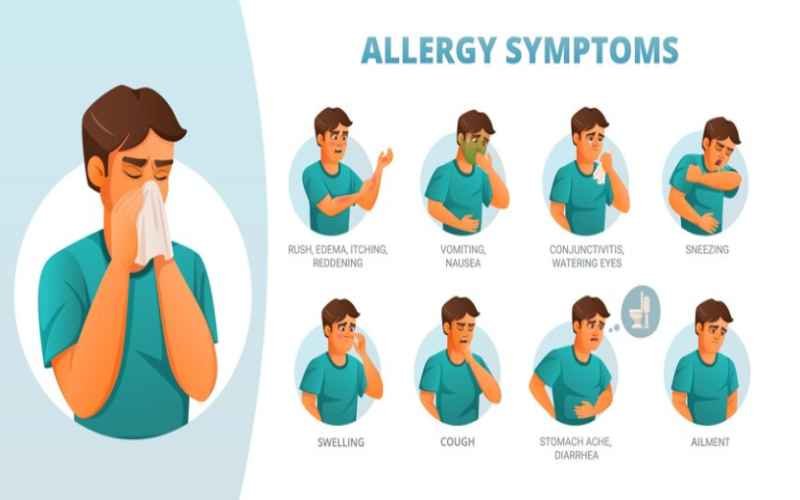
An allergic reaction can range in severity from moderate to severe. Different allergies cause different reactions in the body. The following are typical signs and symptoms of an allergic reaction: 

  • Watery eyes
  • Stomach ache
  • Vomiting
  • Sneezing
  • Itchy skin, rash, hives
  • Swelling in body parts exposed to the allergen
  • Difficulty in breathing

An extreme case of allergy that necessitates prompt medical attention is Anaphylaxis which causes swelling and fainting of the lips, tongue and throat. 

Types of Allergy 

An allergy occurs when your body’s immune system sees a certain substance as dangerous. It reacts by causing an allergic reaction. There are several types of allergies. Some allergies are year-round and some are seasonal. While some allergies may be long-life. 

  • Food allergy: It is an allergic response to a food or food ingredients. Common foods that cause allergies are Legumes (black gram, Kidney beans), Eggplant, Seafood (Prawns), milk and egg. 
  • Skin allergy
    • Eczema: Allergic reactions and food exposure cause itchy, dry, and red skin.
    • Contact Dermatitis: An allergic reaction due to contact of skin with an irritant or an allergen may cause a blister, itching, red rash, scaling, cracking and burning.
    • Hives (Urticaria): Raised itchy bumps on the skin due to insect bites, food, medications
    • Angioedema: Swellings of the skin’s deep layers as a result of allergic reactions to certain medicines, foods or insect bites. 
  • Dust allergy: Allergy due to pollen grains, dust motes, fungal spores or animal dander.
  • Insect allergy: Allergy brought on by mosquito bites, bedbug stings, bee and wasp bites.
  • Drug allergy: Allergic reaction following consumption of medication in liquid, tablet or injectable form. 
  • Allergic rhinitis (hay fever): Allergies to airborne pollen grains, dust mites, animal fur and fungi can cause seasonal (during pollen season) or perennial (all year) allergic rhinitis. 

What is an Allergic Reaction?

An allergic reaction is the way your body responds to an allergen. When you come into touch with an allergen for the first time or if you have allergies, your body will manufacture Immunoglobulin E IgE. Your immune system makes antibodies to form IGE. The mucus membrane in the hollow organs that link one another from your mouth to your anus (Gastrointestinal or GI tract) contains IgG antibodies that attach to mast cells (allergy cells) that reside in your skin, respiratory tract (airways) and skin. Allergic reactions are sensitivities to substances called allergens that come into contact with the nose, eyes, skin, respiratory tract and gastrointestinal tract. They can be breathed into the swallowed lungs or injected. 

How are Allergies Treated?

Eliminating allergens is a crucial therapy strategy. Although frequently it doesn’t entirely stop allergic reactions. A further option for treating your allergies is to take over-the-counter and prescription allergy drugs. These may include:

  • Antihistamines
      • Fexofenadine
      • Cetirizine
      • Loratadine 
    • Nasal sprays: These medications are highly safe to take every day and quite effective, although it could take them up to a week to start working.
      • Cromolyn Sodium
      • Fluticasone nasal spray
      • Antihistamine nasal sprays
    • Decongestants: These drugs should be taken with caution when treating allergies, due to their more severe side effects and potential risks from prolonged use.
      • Phenylephrine 
      • Oxymetazoline
      • Pseudoephedrine
  • Asthma medications
    • Inhaled steroids
    • Inhaled or oral bronchodilators
    • Injected drugs including Dupilumab, Omalizumab or Benralizumab
    • Oral Antileukotriened including Zafirlukast, Zileuton and Montelukast

Immunotherapy: If avoiding allergens and using over-the-counter and prescription drugs are not enough to control your allergy symptoms, Dr. Sheetu Singh may recommend Immunotherapy (allergy shots) or Sublingual Immunotherapy. Your healthcare professional will gradually increase the dosage over several months while exposing you to modest amounts of allergens.


What-is-Sleep-Apnea-Causes-Symptoms-Diagnosis-and-Treatment.png

When you have sleep apnea, you stop breathing while you’re asleep. Your brain tries to protect you by waking you awake enough to breathe, but this inhibits restful, good sleep. This issue can develop into major consequences over time. However, this illness is frequently quite controllable, especially when prescribed therapies are strictly followed. 

What is Sleep Apnea?

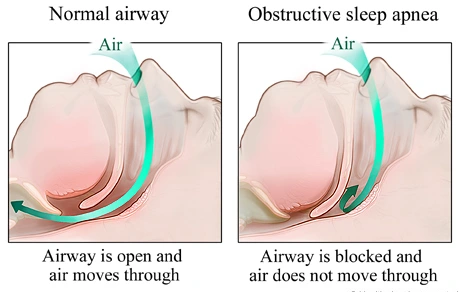
When you have sleep apnea, your breathing stops while you are asleep. You stop breathing while you’re sleeping, which causes sleep apnea. Obstructive sleep apnea (OSA) or central apnea (CASA) are the two conditions that induce these episodes of breathing interruptions during sleep. The consequent lack of oxygen triggers a survival reaction that briefly awakens you so you may start breathing again. That prevents you from getting enough rest to fall asleep and may have other consequences, such as stressing out your heart, which may have fatal results. 

What Causes Sleep Apnea?

The majority of the time, sleep apnea has particular causes, and there is evidence that it may run in families. Overall, there are three basic types of sleep apnea, each of which occurs for a variety of reasons. The types are:

    • Obstructive sleep apnea (OSA): This is the more common form. When the muscles in your neck and head relax while you’re sleeping, the tissue in the area presses against your windpipe, resulting in obstructive sleep apnea. That prevents air from passing through it. 
    • Central sleep apnea (CSA): This particular type of sleep apnea is brought on by a cognitive issue. In normal circumstances, your brain controls your breathing constantly, even while you’re asleep. CSA happens when your brain doesn’t send signals to keep breathing-related muscles working. There are numerous causes of CSA, including:
      • Low blood oxygen levels (Hypoxia)
      • Heart failure
      • Nervous system damage, especially in your brainstem
      • Treating obstructive sleep apnea initially with CPAP
      • Nervous system conditions like Amyotrophic lateral Sclerosis
  • Mixed/complex sleep apnea: There is also a complex/mixed type of sleep apnea. This form has a combination of both central events and obstructive events.

What are the Symptoms of Sleep Apnea? 

There are numerous signs of sleep apnea, some of which are easier to identify than others. The symptoms include:

  • Daytime sleepiness
  • Feeling tired or even exhausted when waking up
  • Mood changes
  • Snoring
  • constantly waking up in the middle of the night
  • Disruptions in brain function
  • Unusual breathing patterns
  • Breathing pauses seen by others when sleeping
  • Night sweats and feeling restless at night
  • Insomnia
  • Headaches, especially when waking up

Sleep apnea in children

Children’s sleep apnea can manifest itself in a few distinct ways. Children with sleep apnea exhibit the following symptoms:

  • Loud snoring
  • Bedwetting
  • Hyperactivity, difficulty concentrating or low academic performance
  • Reflux (heartburn) or night sweats
  • Frequent leg or arm movements while asleep
  • sleeping with their neck extended or in unusual positions 

How is Sleep Apnea Diagnosed?

Dr. Sheetu Singh may perform an evaluation based on your symptoms and a history of your sleep habits, which you can offer with the assistance of someone who shares your bed or your household. During sleep testing at a sleep center, your breathing and other bodily systems are frequently monitored overnight as part of an evaluation. Tests to detect sleep apnea include:

  • Nocturnal polysomnography: During this test, you’re curved up to equipment that monitors your lung, heart and brain activity, breathing patterns, leg, arm movements and blood oxygen levels while you sleep. 
  • Home sleep tests: Dr. Sheetu Singh might provide you with simplified tests to be used at home to diagnose sleep apnea. These tests usually measure your blood oxygen, heart rate, breathing patterns and airflow. If central sleep apnea is suspected, she is more likely to recommend Polysomnography in a sleep testing facility, rather than a home sleep test. 

Treatment of Sleep Apnea 

For milder cases of sleep apnea, your healthcare provider may recommend only lifestyle changes such as quitting smoking or losing weight. You might need to alter your sleeping position. Dr. Sheetu Singh might suggest allergy medication if you suffer from nasal allergies. Numerous alternative therapies are available if these steps don’t help your symptoms or if your apnea is mild to severe. 

Therapies for OSA

  • Continuous positive airway pressure (CPAP): If you have moderate to severe obstructive sleep apnea, Use of a device that produces air pressure through a mask while you sleep may be beneficial. With CPAP, the air pressure is somewhat greater than that of the surrounding air and is just enough to keep your upper airway passages open, preventing apnea and snoring. 
  • Other airway pressure devices: If using a CPAP machine still gives you trouble, you may be able to utilize an alternative airway pressure device (auto-CPAP) that automatically changes the pressure while you sleep. Additionally, some devices deliver bilevel positive airway pressure (BPAP). These provide less pressure when you exhale and more pressure when you inhale. 
  • Oral appliances: Wearing oral appliances made to keep your throat open is an additional choice. Oral appliances may be simpler to use, but CPAP is consistently more effective. Some are made to help you open your throat by moving your jaw forward, which may assist with moderate obstructive sleep apnea and snoring. 

Surgery for OSA 

If other treatments have failed, surgery may be another option for people with OSA. Before considering surgery, at least a three-month trial of other treatment options is recommended. Surgery is a good first option for a tiny percentage of persons with certain jaw structural issues. Surgical options might include:

  • Tissue removal
  • Jaw repositioning
  • Tissue shrinkage
  • Nerve stimulation
  • Implants
  • Creating a new air passageway, known as Tracheostomy.

Treatment-for-Obstructive-Sleep-Apnea-.png

Treatment for Obstructive Sleep Apnea : Obstructive Sleep Apnea is a common condition that affects 10% to 30% of people. A complete or partial collapse of the upper airway during sleep is a frequent occurrence in people with OSA. This can lead to gasping and snoring, daytime sleepiness, disrupted sleep and morning headaches. A range of treatments have been developed for obstructive sleep apnea including surgical interventions, oral appliances, respirators, implanted nerve stimulators, lifestyle changes and Oropharyngeal exercises. If you have been diagnosed with OSA, then Contact Dr. Sheetu Singh is a reliable resource for individuals seeking expertise and guidance in managing obstructive sleep apnea. 

Positive Airway Pressure Devices 

Positive airway pressure (PAP) therapy is a preferred strategy for treating OSA in both children and adults. PAP machines pressurize air and distribute it to a user’s airway. This aids in maintaining the upper airway open, making it easier for the user to breathe normally and sleep with fewer disruptions. PAP machine users sleep with a mask that covers the nose and mouth or just the nose. The mask is connected by a hose to a tiny machine that is put next to the bed. This device pushes pressured air into the airway through the hose, stabilizing soft tissues that relax as we fall asleep and preventing airway collapse. 

There are several kinds of PAP devices:

  • Continuous positive airway pressure (CPAP): CPAP devices are the most well-studied and basic PAP devices. These machines continuously and reliably provide positive air pressure during use. Typically, a medical expert must stay overnight to monitor the device to determine the correct level of pressure.
  • Auto-adjusting positive airway pressure (APAP): Air pressure is automatically adjusted by APAP equipment based on snoring vibrations and breathing patterns. APAP may be appropriate for particular individuals with variable pressure needs. 
  • Bilevel positive airway pressure (BIPAP): When someone uses a BIPAP device, the air pressure is higher when they breathe in and lower when they breathe out. Patients with OSA who don’t respond well to CPAP therapy frequently receive treatment with BiPAP.
  • Adaptive servo-ventilation (ASV): This particular BiPAP device automatically modifies the inhaling pressure to meet the demands of the user. Although ASV devices are frequently used to treat people with both OSA and central sleep apnea (CSA), they are not recommended for those who have specific heart-related medical issues. 

Lifestyle Changes 

If you have obstructive sleep apnea, Dr. Sheetu Singh may identify risk factors that you can address through lifestyle changes and behavior. These adjustments are frequently suggested in addition to PAP therapy. While changing your habits or way of life typically won’t eliminate OSA symptoms, it can produce noticeable benefits. 

  • Reduce weight: According to studies, losing weight makes OSA symptoms better for persons who are overweight or obese. As many factors influence weight including genetics, sustained weight loss can be challenging. However, some individuals can lose weight through exercise, diet, surgery or medication. 
  • Avoid alcohol: Alcohol use can lengthen and increase the frequency of obstructive breathing events. People with obstructive sleep apnea may be advised to avoid alcohol entirely. Those who do decide to drink alcohol ought to avoid doing so right before bed. 
  • Avoid sedatives: Sedatives can exacerbate OSA symptoms similarly to drinking. Ask your doctor if any of the drugs you’re taking, especially those for anxiety or depression, could make your OSA worse. If appropriate, your doctor may prescribe alternative drugs or medications. 
  • Avoid back sleeping: Back sleeping can aggravate OSA. If this is challenging, your doctor might advise wearing a device that vibrates when you lie on your back and wearing it around your chest or neck. 
  • Get exercise: Regular exercise may improve OSA symptoms, even when it doesn’t lead to weight loss. 

Oral Appliances 

Although lifestyle changes and positive airway pressure (PAP) therapy are the first-line treatments for obstructive sleep apnea, an oral appliance could be recommended if PAP therapy is ineffective or extremely irritating. Oral appliances may also be helpful while traveling as they are very portable and don’t need electricity. There are usually two types of oral appliances used to treat obstructive sleep apnea.

  • Mandibular advancement devices (MAD): MAD can effectively treat moderate and mild OSA and may improve symptoms in some patients with severe OSA. These one- or two-piece devices are made specifically for the mouth and jaw of the patient. They function by advancing the lower jaw, which aids in widening the upper airway.
  • Tongue-retaining devices (TRD): TRD may be used if MAD is not beneficial. To keep the upper airway open, TRDs employ suction to force the tongue forward. The evidence suggests that some users of these devices experience about half as many breathing interruptions during the night, even though they have not been investigated as well. 

Surgery 

Similar to oral appliances, surgery for obstructive sleep apnea is usually a second-line therapy that is recommended when a patient does not respond well to positive airway pressure therapy and lifestyle changes. In general, surgery doesn’t entirely cure OSA, but it can significantly improve symptoms. 

  • Uvulopalatopharyngoplasty (UPPP): This includes reshaping the soft palate to open the airway. UPPP may include the reduction or removal of the Uvula.
  • Tonsillectomy and Adenoidectomy: These upper throat surgeries require the removal of adenoids, enlarged tonsils or both to increase airflow in the throat.
  • Lower throat surgeries: Also intended to remove tissues obstructing the airway are lower pharyngeal or throat surgeries for OSA. Surgery to reduce the tongue is frequently one of these. 
  • Global upper airway surgeries: These include surgeries to realign the upper and lower jaws to clear obstructions and tighten the soft tissue in the throat to prevent it from collapsing too easily.
  • Nasal surgeries: Nasal surgeries usually involve changing the nasal cavity in some way so that other OSA therapies such as oral appliances and PAP work better. 

Diagnosis-and-Management-of-Obstructive-Sleep-Apnea-.png

Obstructive Sleep Apnea is characterized by episodes of breathing cessation or shallow breathing in sleep. These occurrences are brought on by the full or partial collapse of the upper airway. Most frequently, snoring, oxygen desaturation and brief awakenings from sleep are linked to respiratory events. Sleep apnea is usually worse during lying and rapid eye movement sleep. Diagnosing and managing obstructive sleep apnea is critical for improving the overall health and quality of life of affected individuals. An extensive review of the patient’s medical history and symptoms, such as severe daytime sleepiness, loud snoring, and observed breathing pauses during sleep, is usually the first step in the diagnosis process. 

The monitoring of several physiological factors while a person sleeps, including airflow, oxygen saturation and brain activity is known as Polysomnography and is an important diagnostic technique for OSA. Home sleep apnea tests are also increasingly used for initial screening. The severity of the condition determines the management techniques for OSA once it has been diagnosed. For mild cases, lifestyle changes like losing weight, abstaining from alcohol and sedatives, and positional therapy can be helpful. Obstructive sleep apnea affects 34% of men and 17% of men in the US and has a similar prevalence in other countries. 

Approach Considerations 

Obstructive sleep apnea should be treated and diagnosed promptly. For OSA patients, board-certified sleep specialists assess polysomnography (PSG) data and propose a course of treatment. The severity of the sleep-disordered breathing affects the course of treatment. People with mild to moderate apnea have more options, however those with moderate to severe apnea should use nasal continuous positive airway pressure (CPAP) as a treatment. 

Conservative nonsurgical treatment includes general and behavioral strategies like weight loss, abstaining from alcohol for 4-6 hours before bedtime and sleeping on one’s side rather than their stomach or back. Weight loss lowers the risk of OSA as obesity is a primary indicator of the condition. The benefits of weight reduction in patients with sleep-disordered breathing include the following: 

  • Lowered blood pressure
  • Decreased RDI
  • improved lung function and arterial blood gas values
  • Improved snoring and sleep structure
  • Optimal CPAP pressure may need to be reduced.

Observations 

The most ordinary presenting symptom of obstructive sleep apnea is excessive sleepiness, although this symptom is reported by as few as 15% to 50% of people with OSA in the general population. A 2- to 3-fold greater risk of cardiovascular and metabolic disorders is linked to OSA. In many patients, obstructive sleep apnea can be diagnosed with home sleep apnea testing, which has a sensitivity of approximately 80%. Successful interventions comprise weight reduction and physical activity, positive airway pressure therapy, employing oral devices that reposition the jaw while sleeping, and surgical alterations to enhance the upper airway through adjustments to either the pharyngeal soft tissues or facial skeleton. 

In some patients with a body mass index under 32, Hypoglossal nerve stimulation is beneficial. There are currently no effective Pharmacological therapies. Positive airway pressure therapy lowers blood pressure, particularly in individuals with resistant hypertension. Randomized clinical trials of OSA treatment however, have not found any appreciable reduction in the rates of cardiovascular or cerebrovascular events. 

Diagnosis of Obstructive Sleep Apnea 

Obstructive sleep apnea (OSA) must be diagnosed for the affected person to receive successful treatment and see an improvement in their quality of life. Patients frequently go through a detailed medical history evaluation that includes queries regarding symptoms like exhaustion, excessive daytime sleepiness, loud snoring, and choking or gasping while sleeping.  One of the most frequent diagnostic tools for OSA is Polysomnography, an overnight sleep study that tracks many physiological factors, including brain activity, heart rate, airflow,and oxygen levels during sleep. 

Management of Obstructive Sleep Apnea

Treatment for OSA can frequently correct its systemic consequences, but it may also result in lasting brain changes that hinder the full recovery of psychomotor functioning deficiencies. Effective management of OSA can be categorized as either a “cure” or “success”. Obstructive Sleep Apnea (OSA) is often treated using a variety of approaches designed to address the underlying causes and enhance the patient’s quality of life. Numerous tactics are used in efficient therapies. Due to the fact that being overweight might contribute to airway obstruction, lifestyle changes including weight loss and consistent exercise are frequently advised. 

Conclusion and Relevance 

Obstructive Sleep Apnea is common and the prevalence is increasing with the increased prevalence of obesity. While daytime sleepiness is among the most prevalent symptoms of OSA, many people do not experience any symptoms at all. Patients with OSA who are asymptomatic or whose symptoms are only mildly concerning and do not appear to pose a risk to driving safety may be treated with behavioral techniques like exercise and weight loss. Interventions such as positive airway pressure are recommended for those with resistant hypertension and excessive sleepiness. There is currently insufficient high-quality evidence to support managing asymptomatic OSA to lower cardiovascular and cerebrovascular events. If you’re seeking expert guidance for the diagnosis and management of Obstructive Sleep Apnea, look no further than contacting Dr. Sheetu Singh. She is a well-respected expert in the field of sleep medicine, renowned for her depth of understanding and caring for her patients.


Types-of-Inhalers-for-Asthma-and-COPD-Disease-.png

Chronic Obstructive Pulmonary and Asthma Disease are long-term respiratory conditions that make it difficult for an individual to breathe. The Centers for Disease Control and Prevention estimate more than 25 million people in the United States had Asthma as of 2019, including 5 million children under 18 years. Although neither ailment has a cure, there are treatments available. Inhaling medication into the airways directly with a nebulizer or a portable inhaler is the most popular form of therapy. These medicines help to diminish inflammation, clear any mucus build-up in the lungs and open up the airways. Some of the most ordinary inhaler types for COPD and Asthma include Beta-agonists, Corticosteroids, combination inhalers and Anticholinergics. 

Types of Inhalers 

Most types of inhalers are small enough to fit in a purse or pocket. This includes dry powder inhalers (DPI), metered-dose inhalers (MDI) and soft mist inhalers (SMI). The basic operation of each type of handheld inhaler is the same. They deliver medication through inhalation. To use an inhaler, an individual closes their mouth around the mouthpiece and inhales the drug from the canister. However, there are a few differences. For example:

  • MDI carries medicine in Aerosol form. The user must press the canister, to ignite the propellant and breathe in at the same time. 
  • DPI transfers medication without a propellant. The individual inhales the medicine into their lungs with their inward breath.
  • SMI is related to DPI as the individual uses their inward breath to inhale the medicine. However, SMIs have more particles than MIDs and DPI and the drug enters the lungs more gradually, allowing the patient to inhale more medication.

Each kind of inhaler has benefits and drawbacks and the amount of medication that enters a user’s lungs determines how effective the device is. Dr. Sheetu Singh consider a person’s attribute or features to determine which inhaler is best, including:

  • Cognitive status
  • Age
  • Ability to coordinate inhalation with activation of the canister
  • Manual dexterity

However, while managing Asthma in children under the age of 5, Dr. Sheetu Singh typically prescribes a valved holding chamber with a mask. The mask allows the kid to take diverse breaths to get the same amount of medication and drugs as breathing in one large puff. They may also recommend a nebulizer for young toddlers. 

Nebulizers 

Nebulizers are different types of inhaler devices that involve breathing through a mask. They consist of a container of liquid medicine, an air compressor and a tube that connects the two. A person uses a mask or a mouthpiece above the medicine container to inhale the mist. Nebulizers are available in electric versions and battery-powered. While they are larger than handheld inhalers, such as young children, they are perfect for those who might not be able to utilize an inhaler successfully. 

Inhalers for Asthma

When an individual has an Asthma attack, the airways in their lungs become narrow and inflamed and produce mucus which restricts the air supply. To treat chronic asthma symptoms and to relieve asthma attacks, asthma inhalers administer medication to the lungs. The medication in these inhaler types depends on a person’s needs and requirements. 

Corticosteroids 

Inflammation in the airway is reduced by Corticosteroids, which also prevent Asthma attacks. These medications are long-term and controllers. The goal of controller asthma medication is to prevent the progression of asthma symptoms by gradually lowering airway inflammation. Common types of corticosteroids include:

  • Budesonide (Pulmicort Flexhaler)
  • Beclomethasone (Qvar)
  • Fluticasone (Flovent Diskus, Flovent HFA, Arnuity Ellipta)
  • Ciclesonide (Alvesco)
  • Mometasone (Asmanex)

Long-acting Beta-agonists 

LABA facilitates better breathing by relaxing the muscles that surround the airways of the lungs and maintaining their openness. The common combination inhalers include:

  • Budesonide and Formoterol (Symbicort)
  • Fluticasone and Salmeterol (Advair Diskus, Advair HFA)
  • Fluticasone and Vilanterol (Breo Ellipta)
  • Mometasone and Formoterol (Dulera)

Anticholinergics 

Another sort of long-term controller medication is Anticholinergics. They assist in diminishing mucus production, widen the airways and relax the lung muscles. Tiotropium Bromide is an asthma controller medicine that Dr. Sheetu Singh is often prescribed with other controller therapies. 

Short-acting Beta-agonists 

Quick-acting beta-agonists or short-acting beta-agonists are rescue and quick-relief medicines. They work to open the airway and relieve symptoms quickly during an asthma flare-up. Common short-acting beta-agonists include:

  • Levalbuterol (Xopenex HFA)
  • Albuterol (ProAir HFA, Ventolin HFA)
  • Pirbuterol (Maxair Autohaler)

Inhalers for COPD 

COPD refers to multiple respiratory conditions that affect an individual’s ability to breathe including Emphysema, Chronic Bronchitis and Asthma. People with COPD disease might use inhaler devices to deliver medicine directly into their airways. COPD inhalers include quick-relief and rescue medications and long-term and controller medicines. 

Corticosteroids 

The common inhaled corticosteroids for COPD include:-

  • Fluticasone (Flovent)
  • Beclomethasone (Qvar)
  • Mometasone (Asmanex)
  • Ciclesonide (Alvesco)
  • Flunisolide (Aerobid)
  • Budesonide (pulmicort)

Beta-agonist inhaler types 

The most popular inhaled beta-agonists, which last anywhere from 6 to 12 hours, are LABAs. These include:

  • Formoterol (Foradil; Perforomist)
  • Arformoterol (Brovana)
  • Salmeterol (Serevant)

Anticholinergics 

Inhaled Anticholinergics for COPD include:

  • Glycopyrronium (Seebri Neohaler)
  • Aclidinium (Tudorza Pressair)
  • Tiotropium (Spiriva)
  • Ipratropium (Atrovent)
  • Umeclidinium (Incruse Ellipta)

Quick-acting Beta-agonists

Bronchodilators or short or quick-acting beta-agonists offer fast relief when a person has symptoms of a COPD flare-up such as coughing, wheezing and difficulty in breathing. Common bronchodilators include:

  • Levalbuterol (Xopenex HFA)
  • Albuterol (ProAir HFA, Proventil HFA, Ventolin HFA)
  • Albuterol and Ipratropium (Combivent)

Quick-acting beta-agonists usually come in an MDI inhaler, however a patient may occasionally utilize a nebulizer. These medications could have negative effects like:

  • Anxiety
  • Headache
  • Tremor
  • Restlessness
  • Irregular or increased heartbeats.

Hypersensitivity-Pneumonitis-Causes-Symptoms-and-Treatment.png

When it comes to our health, knowledge is power. Understanding medical conditions and their implications can make a world of difference, both in prevention and treatment. One such condition we’ll explore in this blog is Hypersensitivity Pneumonitis (HP). It may sound complex, but we’ll break it down into simple terms, making it easy for everyone to comprehend. By the end of this article, you’ll have a clearer understanding of what HP is, its causes, symptoms, and potential treatments.

What is Hypersensitivity Pneumonitis?

What is Hypersensitivity PneumonitisHypersensitivity Pneumonitis, often referred to as HP, is a lung disease characterized by inflammation of the lung tissue. It occurs when your body’s immune system overreacts to inhaled allergens or irritants. Imagine your lungs as a sensitive alarm system – with HP, it’s like the alarm goes off even when there’s no real threat.
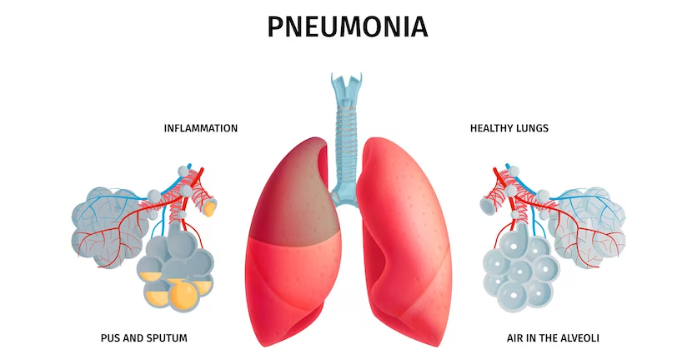
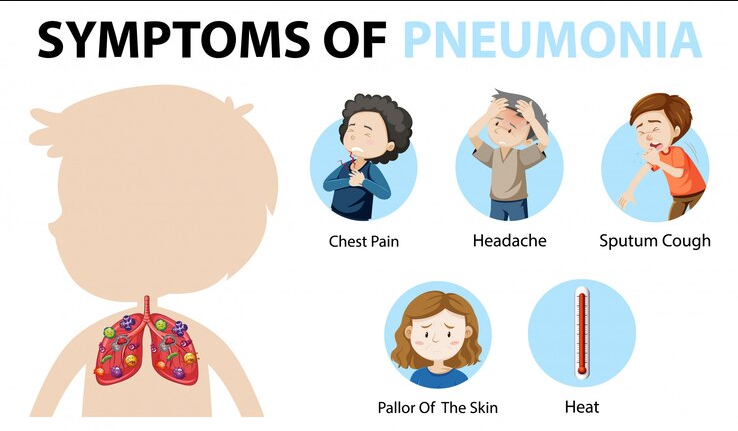
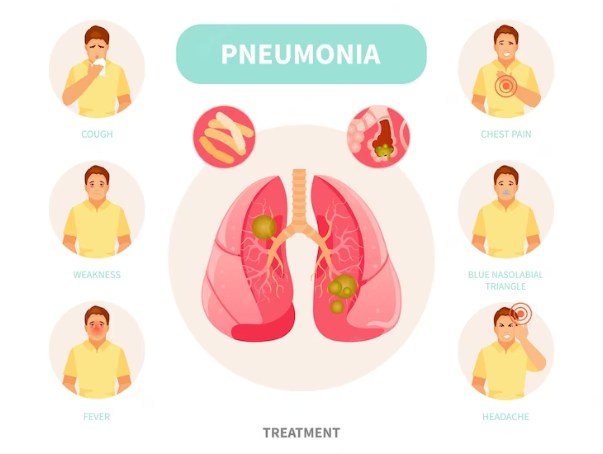
Causes of Hypersensitivity Pneumonitis

Causes of Hypersensitivity Pneumonitis

Understanding the causes of Hypersensitivity Pneumonitis (HP) is crucial in preventing and managing the condition. HP is primarily triggered by exposure to certain allergens or irritants. These can include:

  • Organic Dusts: Organic materials such as mold, fungi, and bacteria found in environments like farming or bird handling can lead to HP.
  • Chemicals: Exposure to certain chemicals, like those found in pesticides or plastics, can also increase the risk of developing HP.
  • Animal Droppings: If you’re a pet owner or work with animals, you might be at risk due to exposure to proteins in animal droppings.
  • Occupational Hazards: Some professions, like agriculture or woodworking, come with an increased risk of HP due to regular exposure to potential triggers.
  • Home Environment: Even your home can harbor HP triggers, especially if there’s mold or bacteria in damp areas.

Symptoms of Hypersensitivity Pneumonitis

Symptoms of Hypersensitivity Pneumonitis

Recognizing the symptoms of  Hypersensitivity Pneumonitis (HP)  is essential for early diagnosis and treatment. The signs of HP can be similar to other respiratory conditions, so pay close attention if you experience:

  • Coughing: Persistent dry cough is a common early symptom of HP.
  • Shortness of Breath: As the condition progresses, you may find it increasingly difficult to catch your breath, especially during physical activity.
  • Fever: Some individuals with HP may experience fever, particularly if the condition becomes severe.
  • Fatigue: Feeling excessively tired even after adequate rest can be a symptom of HP.
  • Chest Tightness: You might feel a sensation of tightness or discomfort in your chest.
  • Weight Loss: Unexplained weight loss is another potential symptom.

Diagnosis and Treatment

Diagnosis and Treatment of Hypersensitivity Pneumonitis

If you suspect you may have HP based on the symptoms, it’s crucial to consult a healthcare professional. They can perform tests, such as pulmonary function tests and imaging scans, to confirm the diagnosis. Once diagnosed, treatment options will be discussed, which may include:

  • Avoiding Triggers: The first step in managing HP is to identify and avoid the substances or environments that trigger your symptoms.
  • Medications: Depending on the severity, your doctor may prescribe medications, such as corticosteroids, to reduce inflammation in your lungs.
  • Oxygen Therapy: In severe cases, oxygen therapy can help improve oxygen levels in your blood.
  • Pulmonary Rehabilitation: This involves a combination of exercise, education, and support to help you manage your condition and improve your quality of life.

In the next part of this blog, we will delve deeper into the risk factors associated with HP and provide practical tips on how to reduce your exposure to potential triggers. Stay tuned for valuable insights that can help you protect your lung health.

Risk Factors for Hypersensitivity Pneumonitis

Understanding the risk factors associated with HP can help you take proactive steps to minimize your chances of developing this condition. Here are some factors to consider:

  • Occupational Exposure: Jobs that involve regular exposure to organic dust, chemicals, or animal proteins can significantly increase the risk of HP. It’s crucial for individuals in such professions to use proper protective equipment and follow safety guidelines.
  • Environmental Factors: Even if you’re not in an occupation with known triggers, your home environment can play a role. Damp and moldy areas, as well as the presence of birds or pets, can contribute to HP. Regular home maintenance and good ventilation are essential.
  • Genetic Predisposition: Some individuals may have a genetic predisposition to develop HP. If you have a family history of lung diseases or allergies, it’s important to be vigilant about potential triggers.
  • Immune System Health: A weakened immune system can make you more susceptible to HP. Ensuring you maintain a healthy lifestyle with a balanced diet, regular exercise, and adequate sleep can help boost your immune system.

Preventing Hypersensitivity Pneumonitis

Prevention is always better than cure, and when it comes to HP, taking proactive steps to reduce your risk is crucial. Here are some strategies to consider:

  • Know Your Triggers: If you work in an environment where you may be exposed to potential HP triggers, educate yourself about the risks and take necessary precautions. Employers should provide proper safety equipment and training.
  • Maintain a Clean Home: Regularly inspect your home for signs of mold or dampness, especially in basements and bathrooms. Keep pets’ living areas clean and well-ventilated.
  • Use Protective Gear: If you’re in an occupation with known hazards, always use appropriate protective gear such as masks, gloves, and goggles to reduce exposure.
  • Monitor Your Health: Be attentive to any respiratory symptoms, especially if you work in a high-risk environment. Early detection and intervention can make a significant difference in managing HP.
  • Consult Your Doctor: If you suspect you have HP or are at risk, consult a healthcare professional for a thorough evaluation and guidance on managing your condition.
  • Allergen-Proof  Your Home: If you have known allergies or sensitivities, take steps to allergen-proof your home. This may include using air purifiers, regularly cleaning and vacuuming, and keeping windows closed during high pollen seasons.

By taking these precautions, you can significantly reduce your risk of developing Hypersensitivity Pneumonitis. Remember, your lung health is essential for overall well-being, and it’s worth investing time and effort in protecting it.

In case you feel the symptoms of HP ever, then here Dr. Sheetu Singh (MD, MNAMS, FRCP) is experienced with expert knowledge to cure your problem. Consult with her once, and we assure you will receive the expected relief and results.


Exploring-Inhaler-Treatment-Options-for-COPD.png

Patients with chronic obstructive pulmonary disease can receive treatments using a variety of inhaler devices and novel inhalers are continually being developed. The preparation and use techniques differ between each type of device and each has advantages and downsides. Many inhalers are used incorrectly because of inconsistent usage instructions, which can easily mislead both patients and medical professionals. 

The inhaled route is preferred for the delivery of Corticosteroids and Bronchodilators used in the maintenance therapy of chronic obstructive pulmonary disease and Asthma. Small pharmacological doses are directly administered to the target area, resulting in a quick beginning of action and a minimal incidence of side effects. It is believed that inhaled medications must be stored in the lungs to have a positive impact. If you or someone you know is seeking guidance on inhaler treatment options for COPD, then Contact Dr. Sheetu Singh, a knowledgeable and experienced pulmonologist who specializes in respiratory care. Whether you are looking to explore dry powder inhalers, soft mist inhalers or other treatment options tailored to your specific requirements. She can offer priceless advice to assist you in managing your condition and enhancing your quality of life.

Pressurized Metered Dose Inhalers 

The PMDI was initially designed in 1956 to provide an inhaled bronchodilator delivery system with a multi-dose capacity and repeatable dosage features. PMDI contain propellants which are currently being changed from Chlorofluorocarbons to Hydrofluoroalkanes (HFAs) because the former damage the ozone layer in the stratosphere. Even with adequate inhaler technique, the majority of PMDIs only deposit 10–20% of the dose in the lungs; the remainder is deposited primarily in the Oropharynx. Recent formulations that formulate the medicine as a solution in HFA propellant as opposed to a suspension of micronized particles may result in higher lung deposition and decreased Oropharyngeal deposition. 

Using the proper PMDI technique entails firing the device while inhaling slowly and deeply, followed by a breath-holding pause to allow particles to settle on the airway surfaces. Most instructions recommend placing the mouthpiece between closed lips, but it’s also possible to hold the inhaler between open lips or even a few centimeters from the open mouth. PMDI is still widely used to administer inhaled medicines for asthma and COPD despite the challenges of utilizing them correctly: Pressurised Metered  Dose Inhalers contain at least 100 doses and are portable, convenient, compact and relatively inexpensive. 

Breath-Actuated Pressurised Metered-Dose Inhalers 

Patients inability to coordinate their firing and inhaling is typically regarded as the most significant issue with PMDI. Two such devices Autohaler and Easibreathe are currently being marketed and several others are in development. In BA PMDI, a mechanism that fires the device is activated by the patient inhaling via the device, synchronizing the firing and inhaling processes. These devices can achieve good lung deposition and clinical efficacy in patients unable to use a standard press and who have breathing difficulties. 

Pressurized Metered-Dose Inhalers Plus Spacer Devices 

Spacer devices are attachments to the inhaler mouthpiece with a volume ranging from 20-750ml. The mouthpiece of several of these devices has a one-way valve that keeps patients from accidentally blowing the dose away after firing it. The one-way valve must be activated by a powerful enough inhale, though otherwise the dose will not be administered. Spacers assist in overcoming coordination problems as inhalation can take place either as the device is fired after a short pause with the latter method being recommended for some models. Old Freon issues are unlikely with spacer devices, due to the source of aerosol generation being further away from the mouth than it is with a PMDI. Ideally, each PMDI dose should be inhaled separately from the spacer. While spacers are good drug-delivery devices, They have the apparent drawback of making the delivery system as a whole less portable, compact and practical than a typical PMDI. 

DRY Powder Inhalers 

Dry powder inhalers have emerged as valuable treatment options for individuals suffering from Chronic Obstructive Pulmonary Disease. DPIs are efficient and effective as they deliver medication directly to the lungs in the form of dry powder. One of the foremost advantages of DPI is its ease of use. It is especially helpful for people with COPD who might have trouble controlling their breathing when using an inhaler. Dry powder inhalers are also portable, allowing patients to carry their medication and drugs with them for quick relief when needed. 

Moreover, they provide an instant onset of action, offering immediate relief of symptoms like wheezing and shortness of breath. The availability of DPIs in a range of formulations, such as bronchodilators and corticosteroids, enables the development of individualized treatment programs that are suited to the unique requirements of COPD patients. As a whole, dry powder inhalers have transformed the way COPD is managed, providing patients with this chronic respiratory ailment with a convenient and efficient way to manage their symptoms, increased lung function and a higher quality of life.

Soft Mist Inhalers 

The use of soft mist inhalers has significantly improved the management of chronic obstructive pulmonary disease (COPD). These devices provide medication in the form of a fine mist, allowing for a leisurely and gentle inhaling process that is especially helpful for COPD patients who may have trouble with the strong inhalation required by some other inhaler forms. SMI are user-friendly, they are appropriate for a variety of patients, including those with reduced lung function, as they do not require strong hand-breath coordination. They also provide precision dosing and have the ability to deliver a mix of bronchodilators and anti-inflammatory drugs, treating both immediate symptoms and underlying inflammation.


Use-of-Metered-Dose-Inhalers-Spacers-and-Nebulizers.png

Metered dose inhalers, dry powder inhalers and nebulizers are modes of aerosol drug delivery that are used to treat respiratory disorders such as Obstructive Lung Disorders, Asthma, Pulmonary Arterial Hypertension, Cystic Fibrosis and Infectious Pulmonary Disease. A spacer is an external device connected to an MDI, to enhance drug administration through improved actuation and inhalation coordination. To inquire about inhalers, contact Dr. Sheetu Singh, a knowledgeable and experienced healthcare professional specializing in respiratory care. She can offer you professional advice and suggestions that are suited to your unique needs. 

What is a Metered Dose Inhaler?

Metered dose inhalers are tiny devices that propel a medicinal spray into the airways. Dry powder inhalers also administer medication, but the powdered medication needs to be inhaled deeply to reach the airways. 

The advantages of MDIs is as follows:

  • Multidose delivery capability
  • Portability
  • Lower risk of bacterial contamination

The disadvantages of MDIs are as follows:

  • the necessity of coordinated actuation and inhalation
  • Oropharyngeal drug deposition

What are Nebulizers?

Nebulizers are devices that convert liquid medications into a tiny mist that may be inhaled easily. They can be powered by batteries or electricity. A mouthpiece or facemask that is placed over the nose and mouth allows the mist to exit the machine through a tube. Children frequently utilize nebulizers as they don’t need to exert any effort to breathe the drug into their airways. 

Nebulizers have the advantages listed below:

  • Patients who are unable to employ alternative inhalation techniques should receive therapy
  • Permit administering high amounts of medication
  • Patient coordination is not required

The following are the disadvantages of Nebulizers: 

  • Higher cost
  • Decreased portability
  • Longer administration time and set-up
  • A supply of compressed air or oxygen (a jet nebulizer) may be required

What are Spacers?

Spacers are canisters that attach to the mouthpieces of metered dose inhalers making  the inhalers easier to use. Spacers make it easy for the user to use the inhaler and assist with the right dosage of the medication to be delivered.

What are Metered Dose Inhalers, Spacers and Nebulizers Used For?

Breathing diseases like asthma are typically treated with nebulizers, dry powder inhalers, and metered dose inhalers:

  • Asthma
  • Obstructive lung disease (also known as COPD, chronic obstructive pulmonary disease)
    • Chronic bronchitis
    • Emphysema
  • Pulmonary Arterial hypertension
  • Cystic fibrosis
  • Infectious pulmonary disease

Aerosol drug delivery may also be used with some types of non-respiratory therapy. Inhalers can be used to administer medication for:

  • Pain relief
  • Diabetes
  • Genetic diseases
  • Thyroid disorders

What are Metered Dose Inhaler and Nebulizer Medications?

Metered dose inhaler medications include:-

  • Beclomethasone Dipropionate (QVAR)
  • Ventolin, Proventil, Ventolin HFA, Proventil HFA, and Proair HFA are variants of albuterol sulfate
  • Cromolyn sodium (Intal)
  • Ciclesonide (Alvesco)
  • Flunisolide Hemihydrate (Aerospan HFA)
  • Flunisolide (AeroBid, AeroBid-M)
  • Fluticasone Propionate (Flovent HFA)
  • pratropium Bromide/Albuterol Sulfate (Combivent Respimat)
  • Mometasone/Formoterol (Dulera)
  • Triamcinolone Acetonide (Azmacort)

Dry powder inhaler medications include:

  • Budesonide (Pulmicort Flexhaler)
  • budesonide/Formoterol HFA (Symbicort)
  • Fluticasone propionate (Flovent Diskus)
  • Formoterol Furmate (Foradil Aerolizer)
  • Mometasone Furoate (Asmanex Twisthaler)
  • Salmeterol Xinafoate (Serevent Diskus)
  • Tiotropium Bromide (Spiriva Handihaler) 

Nebulizer medications include:

  • Albuterol Sulfate (Proventil, AccuNeb)
  • Arformoterol Tartrate (Brovana)
  • Budesonide (Pulmicort Respules)
  • Formoterol Fumarate (Perforomist)
  • Cromolyn Sodium (Intal)
  • Ipratropium Bromide 
  • Levalbuterol Hydrochloride (Xopenex)

How Do You Use Metered Dose Inhalers, Spacers and Nebulizers?

The thorough method for employing a metered dose inhaler is: 

  • Take off the cap, then hold the inhaler vertically.
  • Shake the inhaler
  • Exhale gently for three to five seconds.
  • Slowly take a breath through your mouth while releasing the medication by pressing the inhaler once.
  • If possible, hold the breath for ten seconds to allow the medicine to reach deep into the lungs
  • If more than 1 puff (actuation) is required, follow the procedure above again, pausing for at least a minute in between each actuation.

The general technique for using a spacer is:-

  • Make sure the spacer is clean and put together properly by the manufacturer’s instructions.
  • Shake the inhaler canister well to mix the medication
  • Take it off the cap from the inhaler mouthpiece
  • Insert the mouthpiece of the inhaler into the open end of the spacer. Make sure it fits tightly
  • Breathe out fully to empty your lungs. This makes it more likely that the drug will be deeply inhaled into your lungs.
  • To inhale medicine into the spacer, press down on the inhaler canister once.
  • Start taking calm, deep breaths via your mouth once the drug has been released into the spacer. It ought to take 5-7 seconds to complete this.
  • Remove the spacer from your mouth after taking the prescription, then hold your breath for ten seconds to help the medicine penetrate your lungs completely.
  • Breath out gently and slowly
  • After use, clean the spacer as per the manufacturer’s instructions and allow it to air dry. 

An air compressor, nebulizer cup, mouthpiece or mask and medicine measuring equipment are all included in a nebulizer kit. The general method for using a nebulizer is:

  • Put together the nebulizer kit and plug in the power source.
  • Close the nebulizer cup after adding the prescribed dosage of medicine.
  • The mouthpiece or mask should be attached to the top of the nebulizer cup.
  • Connect the air compressor with the tubing at the nebulizer cup’s base.
  • activate on the gas pressure source at the reservoir’s mouth.
  • Inhale slowly through your mouth, occasionally taking deep breaths.
  • Confirm that a mist is produced by turning the nebulizer on.
  • If a mask is worn, make sure it is properly fastened.
  • Breathe through the mouth for the duration of the therapy. 
  • If the nebulizer begins to splutter, turn it off.Contact Dr. Sheetu Singh

Advantages-Disadvantages-and-Uses-of-MDI-DPI.png

What is MDI?

A pressurized sprayer known as a metered dose inhaler provides a specific dosage of medication. It is typically used to treat respiratory conditions like COPD and Asthma. Metered dose inhalers are simple to use. It comprises a compact, pressurized container holding medication, a dosage indicator and a mouthpiece or mask used for administering the medication. When the MDI is activated, the patient inhales the small mist or spray of medication that is released in a specific amount into their lungs. MDIs are a practical and efficient approach to delivering medicines straight to the airways, offering rapid relief from bronchospasm and inflammation. 

Advantages of Metered Dose Inhaler:-

  • Compact and portable
  • Cheaper than DPIs
  • Minimal preparation
  • The use of a spacer enhances the administration of drugs 
  • Accurate dose
  • Short delivery time
  • Drug preparation is not required

Disadvantages of Metered Dose Inhaler: –

  • require coordination between the actuation and inhalation if not utilized with a spacer
  • For persons who lead an active lifestyle, spacers may not always be practical or available, and they may not always be covered by drug insurance
  • High oropharyngeal deposition
  • Requires propellants
  • The technique is crucial for drug distribution

How to use a Metered Dose Inhaler?

Managing respiratory diseases like asthma or chronic obstructive pulmonary disease (COPD) requires the appropriate use of a metered dose inhaler (MDI). Start by taking off the cap and shaking the inhaler to make sure the medication is thoroughly mixed before using an MDI. To prepare your lungs, take a deep breath, then slowly exhale while standing or sitting up straight. You should inhale deeply as you gently start to press down on the canister to release a puff of the medication. Hold your breath for around 10 seconds to help the medicine reach your airways deeply. 

What is DPI?

A Dry Powder Inhaler is a type of inhaler commonly used to deliver medications such as inhaled corticosteroids into the lungs. This inhaler is breath-activated. The drug is released only when you take a fast, deep breath in through the inhaler. This is distinct from a metered dose inhaler, which propels drugs into the lungs. Advair Diskus, Asmanex, and Pulmicort Flexhaler are a few examples of dry powder inhalers. DPIs are an effective and feasible method to manage respiratory problems, but for optimal treatment results, patients must maintain adequate inhalation techniques.

Advantages of Dry Powder Inhaler:-

  • Portable and compact
  • No need for a spacer
  • No propellant
  • Actuation is caused by deep inspiration, hence there is no need to coordinate it with inhalation
  • Add dose counters that show how many doses are remaining in the device

Disadvantages of Dry Powder Inhaler: –

  • More costly
  • The released dose could be impacted by both humidity and temperature in the environment
  • Greater inspiratory flow rates are necessary for pulmonary deposition of excellent quality
  • Some certain lactose
  • Some have earlier expiration dates than others

How to use Dry Powder Inhaler? 

A dry powder inhaler is an Asthma treatment option for older teens and kids. A DPI makes it possible for the medication to enter the lungs deeply. These inhalers store the medication as a dry powder, as opposed to other inhalers that puff the medication. You must breathe quickly and deeply to get the medication into your lungs as it is inside a powder. If you have any further queries about dry powdered inhalers, contact Dr. Sheetu Singh, Her passion for improving the lives of individuals with respiratory conditions was truly inspiring. 

What is the Difference Between MDI and DPI 

Metered Dose Inhalers and Dry Powder Inhalers are two common devices used for delivering medication to the lungs, especially for the treatment of respiratory conditions like Chronic Obstructive Pulmonary Disease (COPD) and Asthma. They differ in their features and modes of action: 

  • Activation: MDIs necessitate synchronization between squeezing the canister and inhaling the drug. To ensure optimal medicine delivery, users must time their inhalation with the inhaler’s activation. Whereas, DPIs do not require coordination between inhalation and activation. The powder is simply breathed in by users at their leisure.
  • Easy to use: It may be difficult for some users to effectively coordinate the inhalation and activation, particularly for young people and those who have specific physical or cognitive disabilities. Whereas, DPIs are often considered easier to use for some people, including those who have trouble controlling their breathing with MDIs. 
  • Portability: MDIs are typically compact and small, making them easy to carry in a purse or pocket. Whereas, DPIs are also rather portable and small, even though they could be a little bigger than MDIS.
  • Maintenance: The temperature and humidity can have an impact on MDIs and they need to be cleaned frequently. Whereas, DPIs may need less maintenance than MDIs as they don’t use propellants. However, it’s still crucial to handle and store things properly.

International-Yoga-Day-2024.png

International Yoga Day is celebrated on 21st June every year. This day is the longest day of the year and yoga helps people live longer lives. As the sun rises on 21st June 2024, individuals from all around the world will gather to celebrate International Yoga Day. International Yoga Day celebrates the spiritual and physical prowess that yoga has brought to the world stage. Although millions of people participate and practice it daily, it is a significant source of exercise and good activities. 

When is International Yoga Day 2024?

International Yoga Day 2024 :- Stretch your body and calm your mind like never before on International Yoga Day on June 21. This special day is devoted to the holistic practice of yoga, which encourages physical, mental and spiritual well-being. It’s a time when individuals from various backgrounds assemble and take part in yoga classes, workshops and events all around the world, highlighting the attraction of this age-old practice to people of all ages and backgrounds. So, mark your calendars for June 21st 2024, and join the global celebrations of International Yoga Day to experience the many advantages of yoga for a healthier, more well-balanced life. 

History of International Yoga Day 

People all across the world are getting ready to start exercising on their yoga mats for International Yoga Day, but many may not be aware that yoga has a long history. Yoga is considered as an ancient practice that began in India more than 5,000 years ago. Yoga flourished as a way to interconnect the body, mind and soul to step closer into enlightenment. As the method gained popularity in the West, it was promoted as a kind of exercise and relaxation that might also help with chronic pain and physical injuries. 

The idea of International Yoga Day was first initiated by Prime Minister Mr. Narendra Modi on September 27, 2014, during his speech at the UN General Assembly, where India’s ambassador, Asoke Kumar Mukerji, proposed a resolution designating June 21 as International Yoga Day. 

The date of June 21 was selected as it is the Summer Solstice, the day of the year with the maximum sunshine. Overall, it received support from 177 nations, the most number of sponsors to a UN resolution declaring June 21 as International Yoga Day. The first International Yoga Day was celebrated on June 21, 2015, in New Delhi by nearly 36,000 participants, including Prime Minister Modi and numerous other prominent political figures from around the world. Since then, the day has been commemorated in countries all over the world. 

Themes of Internationa Yoga Day 

  • International Yoga Day 2021 Theme 

In 2021, the theme for Yoga Day was “Yoga for well-being”. The theme emphasized the value of yoga for a person’s health. Since 2021 was also the year when the world was fighting the pandemic, individuals and communities all around the world realized the significance of the theme.

  • International Yoga Day 2022 Theme 

International Yoga Day has a different theme each year. Celebrations and discussions are held locally, nationally, and internationally depending on the theme. Ever since 21st June was announced as World Yoga Day, various schools, organizations and corporations have hosted diverse events to spread awareness about yoga as an exercise. The theme for Yoga Day in 2022 was “Yoga for Humanity.”

  • International Yoga Day 2023 Theme 

International Yoga Day 2023 was celebrated on the theme “Yoga for Vasudhaiva Kutumbakam”, which also represents ‘one earth, one family, one future’. This theme emphasizes how regular yoga practice contributes to the well-being of every person, regardless of discrimination.  

Event Details for International Day of Yoga 2024 

Date: June 21, 2024

Venue: Multiple locations and online

Significance of International Yoga Day 

Yoga is an old practice that combines meditation, physical postures, breathing exercises and ethical principles to promote the overall well-being of individuals. International yoga day in 2024 will inspire people to practice yoga regularly and experience its beneficial effects on their physical and mental health. Before delving into the 2024 event, it’s important to understand why International Yoga Day is celebrated worldwide. The day, which was instituted by the United Nations in 2014, aims to promote yoga as a comprehensive strategy for wellbeing. International Yoga Day 2024 aims to highlight the contribution that yoga may make to accomplishing the 17 sustainable development goals set forth by the United Nations earlier this year. 

International Yoga Day Timeline 

  • 200 BCE (beginnings): It has been discovered that these are the earliest reports of Yoga. 
  • September 27, 2014 (India proposes): Narendra Modi and the Indian delegation propose to create International Yoga Day. 
  • June 21, 2015 (first ever): In India, the first-ever Yoga Day is celebrated by almost 36,000 people.
  • June 21, 2018 (yoga for all): Over 100,000 people attend the biggest yoga class, which is held in India.

Why do we celebrate Yoga only on 21st June?

International Yoga Day is celebrated annually on June 21st every year to spread awareness about the benefits of meditation and yoga worldwide. This specific date was chosen because it marks the summer solstice in the Northern Hemisphere, when the day is the longest and the energies of nature are thought to be perfectly aligned. The day is celebrated on 21st June every year, is a global event that promotes the mental, physical and spiritual benefits of practicing Yoga.


Benefits-and-Limitations-of-Inhalers-and-Nebulizers.png

Nebulizers and inhalers, which were introduced to the world in the 1930s and 1950s, respectively, were precisely the inventions that patients with lung conditions like asthma had long wished for. This meant that patients could now easily inhale the medication that was required to manage and treat their illnesses. Nebulizers were the first to be invented and were certainly appreciated, but you couldn’t carry one about with you to work or school. As a result, when inhalers were introduced, they swiftly replaced other options as the preferred form of respiratory treatment. So, before looking at the same for nebulizers, let’s look into the benefits and drawbacks of the preferred inhaler. 

The Benefits of Inhalers: –

  • Allow for the quick delivery of medications to the airways, which is appropriate for COPD and asthma medications. 
  • Lightweight, small and easily portable in a pocket, purse or suitcase.
  • Quite simple to use when given the right instructions.

The Disadvantage of Inhalers: –

  • Small, portable, and quite simple to misplace, occasionally necessitating a search to recover one, often in cough cushions and beneath beds. 
  • Difficult for some individuals to coordinate, particularly mentally challenged, young children and the elderly
  • They are less suitable during asthma and COPD flare-ups or the final stages of COPD as they need a specific inspiratory flow to activate the medication. 
  • It’s simple to use an inhaler fast (puff-puff) and secretly. 

The Advantage of Nebulizers:-

  • Allowing for quick medication delivery to the airways is ideal for people with asthma and COPD.
  • Quite easy to coordinate and relatively easy to use (just breathe normally)
  • The medication is simple to inhale, independent of airflow restrictions brought on by flare-ups and advanced COPD. 
  • Nebulizers and air compressors are useful backups if you can’t find your inhaler as they are less portable and more likely to be found right where you left them. 

The Disadvantage of Nebulizers: –

  • The majority of air compressors need an electric source
  • The majority of affordable nebulizers are not easily portable
  • Nebulizer treatments frequently take 10 to 20 minutes, which presents a challenge in the fast-paced environment of today. 

Which Asthma Control Medication is Most Effective for Your Needs? 

The market is flooded with so many asthma controller medications that there are too many choices. A common query I get is: Which one is better for me? To answer this, Dr. Sheetu Singh suggests some basic components of Asthma.

  • Chronic  – Every asthmatic has some level of airway inflammation in their air passages.
  • Acute – When this chronic inflammation goes uncontrolled, exposure to asthma triggers may exacerbate it, leading to increased mucus production and airway spasms, both of which make breathing difficult. 

Based on this knowledge, Dr. Sheetu Singh knows that the best way to treat Asthma is:-

  • Control: The reduction of underlying inflammation
  • Prevention: Prevent asthma symptoms
  • Treat flare-ups: As soon as an acute symptom appears, treat it. 

When you reach this stage of asthma therapy, you decide to take asthma medications for the rest of your life. The average time it takes for a medication to start working is two to three weeks. You must take the medication every single day of your life for it to be effective, even when you feel well. You must therefore continue taking your controller medications even if you are feeling well today.  

The best part about today’s available asthma controller medications is that they are all just required to be taken once or twice a day. All you have to do is take your inhaler before you brush your teeth in the morning and also in the evening. The use of a nebulizer instead of an inhaler can be beneficial for some asthmatics. These would include:

  • Infants and young kids who are unable to use an inhaler 
  • adults with mental disabilities and the elderly who are unable to control an inhaler
  • Those with severe asthma who struggle to produce enough flow to activate inhalers

The best asthma medication for you relies on how severe your asthma is. Typically, Dr. Sheetu Singh will begin treatment with a straightforward inhaled steroid; if this works, no more therapy is required. Common inhaled steroids are: 

  • Qvar (beclomethasone): Two puffs from an inhaler, twice daily
  • Flovent (fluticasone): 1-2 puffs or inhalers twice a day
  • Pulmicort (budesonide): Nebulizer used to administer the solution twice daily 

Those medications are excellent if they work! You may now proceed. A long-acting beta-adrenergic medication along with an inhaled steroid may be advised by your doctor if you use one of them for a month or two and your asthma is still deemed to be poorly controlled. 

  • Advair discus (fluticasone, salmeterol): 1 inhaler twice daily.
  • Symbicort Turbohalert or inhaler (budesonide, formoterol): 2 puffs twice daily.
  • Dulera (mometasone, formoterol): 2 puffs twice daily.
  • Breo Ellipta (fluticasone, vilanterol): 1 puff once daily.
  • brovana/Pulmicort (formoterol): twice daily solution taken in a nebulizer .

Infectious-Diseases-in-Adults-.png

Infectious Diseases in Adults :- Infectious illnesses account for one-third of all fatalities in adults aged 65 and older. The usual warning signs and symptoms, such as fever and leukocytosis, are frequently missing in the elderly, making early detection more challenging. The only presenting issue in an older patient with an illness can be a change in mental status or a reduction in function. Pneumonia is estimated to be the cause of 90 percent of deaths in people 65 and older. The elderly are primarily affected by influenza-related mortality. The most frequent cause of bacteremia in older persons is urinary tract infections. Asymptomatic bacteriuria occurs frequently in the elderly; however, antibiotic therapy does not seem to be effective. 

The elderly are particularly affected by the recent surge of antibiotic-resistant bacteria as they are more likely to contract infections in hospitals and other institutional settings. It is difficult to treat colonization and active infection; careful commitment to hygiene precautions is required to stop the spread of resistant microorganisms. Despite improvements in antibiotic treatment, infectious illnesses continue to be a leading cause of death in older persons. Physicians face distinct challenges while treating infections in elderly persons due to the diagnostic and therapeutic complexities.

Fever in Adults 

Fever is a raised body temperature that occurs when the body’s thermostat—located in the brain’s hypothalamus—resets at a higher temperature, typically in response to an illness. Hyperthermia is the medical term for elevated body temperature that isn’t brought on by a reset of the thermostat. Several body parts allow for the measurement of body temperature. The most common sites are the rectum and the mouth. Other sites include the forehead, ear and ideally Armpit. A digital thermometer is typically used to measure temperature. 

Oral temperatures are considered elevated when

  • In the morning, they are greater than 99° F (37° C).
  • At any moment after the early morning, they are greater than 100.4° F (38° C).
  • They are higher than the known average daily temperature of an individual.

Causes of Fever in Adults 

Substances that cause fever are known as Pyrogens. Pyrogens can originate from both inside and outside the body. Examples of pyrogens created outside the body include microorganisms and the compounds they produce such as toxins. Pyrogens formed inside the body are usually produced by Macrophages and Monocytes. Fever may also result from inflammation, a reaction to an allergic reaction, a drug, Autoimmune disorders and undetected cancer, especially Lymphoma, Leukemia or kidney cancer. Fever is a symptom of many diseases. They can be generally divided into:

  • Infectious (most common)
  • Neoplastic (cancer)
  • Inflammatory

Most Common Causes 

Fever can be caused by almost all infectious diseases. However, the majority of infectious causes are:

  • Lower and upper respiratory tract infections
  • Urinary tract infections (UTIs)
  • Gastrointestinal infections
  • Skin infections

Risk factors

People who have certain conditions (risk factors) are more likely to get a fever. These elements consist of the following:

  • The person’s health status
  • Certain occupations
  • The person’s age
  • Use of certain drugs and medical procedures
  • exposure to diseases, such as those brought on by travel or by coming into contact with sick people, animals or insects.

Evaluation of Fever in Adults 

A doctor can identify an infection based on a patient’s medical history, physical examination and occasionally a few quick tests like a chest x-ray and urine tests. Dr Sheetu Singh initially evaluated people with an acute fever, they focused on two general issues:

  • Finding other symptoms such as cough or headache; The wide range of potential causes is reduced by these symptoms.
  • Determining whether the individual is chronically or seriously ill; many potential acute viral infections resolve on their own and are challenging for clinicians to specifically diagnose, that is identify the specific virus that is causing the infection. It can be less expensive, wasteful, and frequently useless to restrict testing to those who are gravely or chronically unwell. 

Warning signs 

Some symptoms and traits in patients with an acute fever are concerning. They include:

  • Stiff neck, headache or both
  • Low blood pressure 
  • A modification of mental state such as confusion
  • Petechiae, which are small, flat, purple-red spots on the skin that signify internal bleeding
  • Rapid breathing or rapid heart rate
  • Shortness of breath
  • a temperature that is greater than 104° F 40° C or less than  95° F 35° C
  • Recent travel to a region where an endemic (regular) infectious disease, like malaria, is present
  • Recent usage of immunosuppressants, medications that weaken the immune system 

Essentials for Older People: Fever 

Fever can be challenging in older people because the body may not respond the way it would in younger age. For instance, infection is less likely to result in fever in elderly, fragile individuals. Even when the temperature is raised due to an infection, it may be lower than the standard for a fever and the level of the fever may not be consistent with how serious the condition is. Similarly, other symptoms, such as pain may be less noticeable. A change in mental function or a decline in everyday functioning is frequently the only other early indicator of pneumonia or a urinary tract infection. 

However, older people with a fever are more likely to have a serious bacterial infection than younger adults with a fever. A respiratory or urinary tract infection is frequently the cause, much like in younger adults. Soft-tissue and skin infections are also common causes in older people. Serious respiratory viral infections such as influenza, COVID-19 and respiratory syncytial virus (RSV) are more common in older adults.


Significance-of-Infectious-Disease-Prevention-and-Control-.png

According to the World Health Organization, infection prevention and control (IPC) is a scientific strategy and workable solution created to stop the harm that parasites can do to patients and healthcare professionals. It is an element of epidemiology that is important for understanding social sciences, global health and infectious illnesses. To improve patient safety and the health system overall, effective IPC is a public health concern. According to the WHO’s core components of IPC, access to healthcare services that are designed and managed to reduce the risks of preventable HAI for patients and healthcare workers is a fundamental human right. Dr. Sheetu Singh plays a pivotal role in infectious disease prevention and control through her multifaceted contributions. She is an expert in many facets of this crucial matter, beginning with the quick and effective diagnosis and treatment of infectious disorders.

The Spread of Infectious Disease

An infection is defined as the successful transmission of pathogenic microorganisms such as viruses, bacteria, parasites or fungi that are spread. 

  • Directly:-
    • From person to person
    • Through respiratory droplets such as sneezing or coughing
    • Through fluids from the body
    • exposure to an infectious pathogen directly from the environment
    • During childbirth from mother to fetus
  • Indirectly:- 
    • Biological- intermediate host or vector such as Zika virus
    • Mechanical- vehicle or vector such as Plague transmission of Yersinia Pestis by Fleas
    • Airborne such as Tuberculosis

Epidemiological Triad 

Human infections occur when an infectious bacterium enters the body, multiplies and triggers an immune response that may lead to an infectious disease. The Epidemiological Triad is a set of three factors that are necessary for infectious disease transmission. 

  • The agent– The microorganisms that cause the infection and can be in the form of viruses, bacteria, parasites or fungi
  • The Host– The target of the disease
  • The Environment– The conditions and surroundings (which are external to the disease)

Infection Spread in Healthcare 

Due to the presence and proportion of susceptible people, healthcare facilities, including hospitals and primary care clinics, are a place where disease transmission is more likely to occur. During treatment, one in ten individuals contracts an infection though efficient infection control lowers healthcare-associated infections by at least 30%. The three elements necessary for infection propagation in a medical context are as follows: –

  • Source – places where infectious agents survive like hospital equipment, sinks, countertops and medical devices.
    • Environment- Sinks, hospital equipment, patient care areas, medical devices and countertops
    • People- healthcare workers, patients or visitors 
  • Susceptible person – Someone who has a weakened immune system, is not immunized against a certain infectious disease, or is not immune to it. 
    • Additionally, underlying medical disorders, drugs and essential treatments and procedures like surgery that raise the risk of infection can make people more susceptible.
  • Transmission – How bacteria are transferred to the affected person
    • Touch including via medical equipment or a susceptible person such as VRE or MRSA
    • Splashes or sprays for example, Pertussis
    • Inhalation of Aerosolized particles like Measles or TB.
    • Bleeding pathogens are spread through sharp injuries such as HBV, HIV and HCV. 

Controlling Infectious Diseases Within Communities 

Infection control and prevention is a global concern and numerous protocols and recommendations can be followed to reduce the spread of infection among individuals, within a group and globally. Identifying at-risk groups such as kids, the elderly and those with chronic illnesses, can also help direct initiatives to safeguard these groups. The first step in infection control may be to alter community practices, such as: –

  • Regular hand washing
  • Appropriate use of body and face masks prevents the spread of and protects from respiratory infections
  • Using insect repellents
  • Participating in immunization programs and ensuring current routine vaccines
  • Taking prescribed medications such as Antibiotics as directed by health professionals
  • Avoiding contact with outsiders-social distancing
  • Using protection when intimate, especially with new partners. 

Other steps that can be taken to stop the spread inside communities include environmental controls like:-

  • Surveillance of diseases
  • Modifying environments
  • Food safety
  • Air quality

Medical Interventions 

There are biochemical interventions that can be used in addition to straightforward measures to prevent and control infections to hasten the healing process and in certain situations, totally prevent viral infections. The development of Antivirals, Antibiotics and Vaccinations has been shown to speed up recovery, infectious illness spread is slowed down and in some cases eliminated from communities. 

Antibiotics 

Antibiotics are administered for bacterial illnesses to boost the body’s natural defense mechanism in eradicating pathogenic microorganisms. They are intended to either eradicate germs or prevent their reproduction. However, improper use of antibiotics, excessive prescription and bacterial mutation have resulted in the creation of resistant bacteria. 

Vaccinations 

The purpose of vaccinations is to increase immunity to a certain disease. Small amounts of the disease-causing virus or bacteria are introduced into the host during vaccinations to help the recipient develop natural immunity. The introduction of regular vaccines has slowed down and in some cases eradicated certain diseases such as Measles, Polio, Mumps, whooping cough and Rubeola. There are other vaccines available to prevent chickenpox, but they are only given to people who are at high risk of passing the illness to people who have compromised immune systems. 

Antivirals 

Antibiotics provide no defense against infectious diseases that are caused by viral agents such as HIV, Influenza, Hepatitis and Herpes. Antiviral medications are most effective in these circumstances for preventing the infection from spreading and boosting immunity. 

Standard Precautions for All Patient Care: –
  • Perform hand hygiene
  • To prevent infection, put on personal protective equipment PPE
  • Follow cough etiquette principles/respiratory hygiene
  • Ensure appropriate isolation precautions and patient placement
  • Properly clean, handle and disinfect patient care equipment and medical instruments.
  • improving the flow of information among medical professionals, particularly when referring patients who may be contagious.

What-is-the-difference-between-Communicable-Infectious-Diseases.png

Although “infectious” and “contagious” are frequently used interchangeably to describe illnesses their meanings are quite different. Infectious and communicable diseases are two different types of illnesses with different symptoms and transmission modes. Communicable diseases are those that can be transmitted from one person to another through various methods such as droplets, direct contact or contaminated surfaces. These illnesses frequently spread quickly within communities and if not properly controlled, can cause outbreaks or epidemics. 

On the other hand, infectious diseases encompass a broader range of illnesses caused by microorganisms like viruses, fungi, bacteria or parasites. Not all infectious diseases are contagious, even though many of them are, as some can be spread by mosquitoes or the environment.  As a result, all communicable diseases are infectious, not all infectious diseases are necessarily communicable. Dr. Sheetu Singh, a specialist in infectious diseases, possesses the knowledge and experience needed to treat, diagnose and provide invaluable advice on various infectious ailments. 

Infectious Disease

An infectious disease is merely an infection. That occurs when a bacterium enters your body and settles in. This entails an exponential rate of cell division and growth for bacteria and fungi. On the other hand, viruses face the additional challenge of invading human cells and seizing control of their functioning centers. 

Infectious & Not Communicable

Although all communicable diseases are infectious, not all infections are communicable. For example, Tetanus can cause an infection, but a person with Tetanus infection can’t spread it to another person. The bacteria live in dust and dirt and get inside your body through abrasions like scrapes, cuts or punctures. Although the bacterium can cause extremely dangerous infections and illnesses in people, it will almost certainly never cause a worldwide pandemic. 

Invisible Infections Communicable Disease

A communicable disease is a contagious one. The effect is external. If someone contracts the disease, they may fall ill and infect the next person with the pathogen, which could be a virus, cold or other disease-causing agent. This can lead to isolated outbreaks and small or full-scale pandemics. The flu is one example of this, which occurs annually in the United States from around October to May. The influenza virus spreads widely as it is conveyed from person to person and through contaminated objects. One to two additional people who aren’t immune will probably catch the virus for every person who already has it. 

Methods of Transmission

Nature is inventive when it comes to how viruses might spread through a population. These are just a few of the most common ways that bacteria spread. 

  • Person-to-person 

Pathogens that go from one person to another can be transmitted several ways through respiratory droplets like sneezing or coughing, contact with blood, sexual activity or from mother to child during birth, pregnancy or breastfeeding. Although the germ can spread more easily when you are actively ill and sneezing or coughing frequently, you don’t need to have symptoms to be contagious. For instance, Measles can be spread up to four days before the distinctive rash appears and the virus can remain in the air for up to two hours after you leave the area. 

  • Vectors 

Certain microbes are transmitted by a more convoluted person-vector path rather than directly from person to person. For instance, mosquitoes carry the parasite that causes malaria after biting a person who has the disease and then transmitting it to the next person they bite. The mere presence of mosquitoes is insufficient for disease transmission; they primarily act as conduits. Without the presence of individuals infected with malaria, mosquitoes cannot transmit the disease. 

  • Fomites 

Hand-washing holds great significance in disease prevention due to the abundance of everyday objects we come into contact with, teeming with harmful germs capable of causing illness. During flu and cold season, It’s usual for viruses to spread to the next person by accidentally wiping a runny nose and then touching a doorknob. When you approach them from behind to open the same door, the viruses adhere to your skin and wait for an opening to enter your body, frequently when you are rubbing your eyes or touching your nose.

  • Fecal-Oral and Foodborne 

The term fecal-oral refers to the transmission of germs through an oral surface that has been polluted with feces. For instance, a person who neglected to wash their hands after using the restroom can infect a doorknob. If another person touches the same doorknob and then puts his or her hand in their mouth, they could become infected. 

Another way of contamination is food poisoning, caused by ingestion of toxins usually from spoiled food. The spoiled food may contain parasites, toxins and bacteria. Most often the bacteria that spoil food and can cause illness in humans include Staphylococcus aureus, Salmonella, Coli, Botulinum, Cholera, Campylobacter and Listeria.


28-Devastating-Infectious-Diseases.png

The Impact of 28 Devastating Infectious Diseases :- Infectious diseases still exist today and have affected human history. Such contagious diseases are on many of our minds as the new coronavirus spreads over mainland China and other parts of the world. Here is a look at some of the worst of these epidemics, including the latest SARS, new coronavirus and Zika virus as well as Ebola and Dengue. 

  1. The new coronavirus :-
    The 2019 novel coronavirus (2019-nCoV) is a fresh coronavirus strain that initially surfaced in Wuhan, China, in December 2019. In China, the virus has caused more than 40,000 illnesses and 900 deaths as of February 10, 2020. The huge virus family known as coronaviruses is responsible for many respiratory diseases. These viruses are those that cause MERS (Middle East respiratory syndrome) and SARS (severe acute respiratory syndrome).
  2. Smallpox  :-
    Smallpox causes skin lesions, which emerged about 3000 years ago in India or Egypt before sweeping across the globe. According to the World Health Organization, the Variola virus, which causes smallpox, left up to a third of those it infected dead, while also leaving other victims with scars and blindness.  In 1980, the WHO declared the disease officially eradicated after a decade-long vaccination campaign. Facilities in the US and Russia are holding the virus’s final samples.
  3. Plague :-
    There are three different types of the disease, but the most well-known is bubonic plague, which is distinguished by buboes, or painful enlarged lymph nodes. Plague can have a 50% to 60% fatality rate in people who are not treated, according to the WHO, even though the disease is treatable because of antibiotics introduced in the 1940s.
  4. Malaria :-
    Malaria has devastated parts of Africa, although it is curable and preventable, where the illness causes 20% of all childhood deaths, citing the World Health Organization. A parasite carried by blood-sucking mosquitoes causes the disease, which is initially characterized by chills, fever and flu-like symptoms before progressing to more serious complications.
  5. Influenza :-
    According to the World Health Organization, Flu, a seasonal respiratory infection is responsible for about 3 million to 5 million cases of severe illness and about 2,50,000 to 5,00,000 deaths per year across the globe. Some influenza viruses can cross species boundaries, as the recent swine flu and bird flu concerns showed.
  6. Tuberculosis :-
    Potentially fatal TB or Tuberculosis is caused by the bacterium Mycobacterium tuberculosis which usually causes the signature bloody coughs and attacks the lungs. Up to one-third of the world’s population currently harbors the bacterium without exhibiting symptoms, and it does not always make those it infects sick. Additionally, 5% to 10% of those with TB infection (but not HIV) will get sick or spread an infection at some point in their lifespan.
  7. HIV/AIDS :-
    HIV is a relatively new disease, in contrast to many of the worst offenders on this list, which have a lengthy history with humans. It was discovered in 1981 that specific immune system cells are decimated by HIV. HIV makes its victims more vulnerable to a wide range of opportunistic illnesses by weakening a portion of the immune system.
  8. Cholera :-
    Acute diarrhea from cholera can be dangerous if not treated in a matter of hours. People contract the disease by consuming foods or beverages that carry the Vibrio cholerae bacterium. Through infected feces, the bacteria frequently contaminate food and water. Since it can take 12 hours to 5 days to show symptoms, People’s excrement can unintentionally transmit the disease.
  9. Rabies :-
    The initial symptoms of rabies can be hard to detect in humans, as they mimic the flu including fever, discomfort and general weakness. According to the Centers for Disease Control and Prevention (CDC), when the disease progresses, patients may experience abnormal behavior, delirium, insomnia and hallucinations.
  10. Pneumonia :-
    Pneumonia may not be as terrifying as illnesses like rabies or smallpox, but it can still be fatal, especially for anyone under the age of 5 or over 65. Inflammation of the air sacs in one or both lungs is a symptom of the illness of pneumonia. The air sacs may swell with fluid or pus (purulent material), which can cause breathing difficulties, a fever, chills, and a cough that produces pus or phlegm. The disease can be caused by a virus, bacteria or a combination of both. According to Dr. Sheetu Singh, a person can get pneumonia from a parasite, fungal infection or reactions to certain medicines.
  11. Infectious Diarrhea :-
    The virus causes dehydration brought upon by severe vomiting and watery diarrhea. According to WHO, four Rotavirus vaccines are considered highly effective at preventing the disease. A potentially deadly diarrheal illness, rotavirus is the most frequent cause of viral gastroenteritis (inflammation of the stomach and intestines).
  12. Ebola :-
    A healthy individual can get the Ebola virus by coming into contact with an infected person’s blood or secretions or by handling objects (such as clothing or bedding) that have been exposed to these fluids. The virus is passed from one person to another by bodily fluids. The virus spreads very rapidly, overcoming the body’s immune response and causing muscle pain, fever, weakness, headaches, diarrhea, abdominal pain and vomiting.
  13. Variant Creutzfeldt-Jakob Disease :-
    Humans can get VCJD when they eat beef from cows with Bovine Spongiform Encephalopathy (BSE), a disease similar to VCJD that occurs in cattle. About 225 cases of vCJD were recorded in the UK and numerous other nations between 1996 and March 2011. According to WHO, individuals infected with VCJD tend to be younger than those infected with CJD.
  14. Marburg :-
    The filamentous forms of the viral particles are the defining hallmark of the Filovirus family of viruses, which includes the Marburg virus. The Marburg virus disease (MVD), is spread from one person to another through bodily fluids much like Ebola. The Marburg virus can infect monkeys just like it does human beings.
  15. Middle East Respiratory Syndrome (MERS) :-
    The Middle East respiratory syndrome, or MERS, a viral respiratory disease that was initially discovered in 2012 in Saudi Arabia, turns out to be another lethal disease that is spread by bats, in addition to diseases like Ebola and Marburg. According to the WHO, MERs originated in bats, its major reservoir in the Middle East is likely dromedary camels.
  16. Dengue :-
    According to the WHO and the CDC, mosquito-borne viruses of which dengue is one of many kill an estimated 50,000 people worldwide every year. Dengue is a disease that can be caused by one of four related viruses such as DENV 1, DENV 2, DENV 3 and DENV 4. Sometimes the virus causes severe dengue or dengue hemorrhagic fever, a potentially fatal consequence with symptoms including fever, stomach pain, vomiting, blood and problems breathing.
  17. Yellow Fever :-
    Similar to dengue, yellow fever is a flavivirus and is transmitted from one person to another by mosquitoes. Jaundice or a yellowing of the skin and eyes, is a sign of the illness that is observed by a tiny number of those who are affected. According to the WHO, half of the patients who enter the toxic phase of yellow fever die within 7 to 10 days.
  18. Hantaviruses :-
    Hantaviruses are spread to humans by rodents, particularly from rats and mice. People who come into contact with these animal’s bodily secretions directly or who breathe in virus-carrying aerosolized particles from those secretions may contract a hantavirus. Fever, vomiting, and dizziness are among the first signs of this illness, which is similar to HPS in that it can also result in kidney failure and bleeding.
  19. Anthrax :-
    Anthrax is an infectious disease caused by the bacterium Bacillus Anthracis, It inhabits soil and typically infects domestic and wild animals, including goats, cattle, and sheep. The disease typically infects people when they come into contact with infected animals or animal products.
  20. MRSA “Superbug” :-
    Shortened form of methicillin-resistant The staph bacteria Staphylococcus aureus, also known as MRSA, is capable of inflicting potentially fatal skin and bloodstream infections and is resistant to the majority of antibiotics used to treat these infections.
  21. Pertussis :-
    The respiratory tract infection pertussis, widely known as whooping cough, is brought on by the bacterium Bordetella pertussis. Pertussis is dangerous for babies, who can experience apnea or pauses in breathing. 87% of people who died from whooping cough between 2000 and 2012 were babies less than 3 months old.
  22. Tetanus :-
    Tetanus, an infection brought on by the bacteria Clostridium tetani, can be prevented by receiving the Tdap vaccine, which protects against pertussis. Tetanus-causing bacteria exist on the intestines of humans and animals as well as in dirt or soil (as well as objects left lying around in the dirt, like rusty nails) which they enter through the skin.
  23. Meningitis :-
    Meningitis is the medical term for inflammation of the membranes that envelop the brain and spinal cord, or meninges. Fungi, viruses, and bacteria are just a few of the possible causes of this contagious illness. Some people get meningitis after having brain surgery, suffering a head injury or having certain kinds of cancer.
  24. Syphilis :-
    The sexually transmitted disease syphilis is relatively treatable, but if left untreated it can have devastating side effects. An individual’s genitalia or anus may develop sores in the early stages of the illness. Many people just ignore these sores or mistake them for ingrown hairs or blemishes as they are often small, painless and they heal on their own. The second phase of the disease is more noticeable and usually begins with a rash on one more part of the body.
  25. SARS :-
    The virus responsible for the pandemics in 2002 and 2003 that killed more than 750 people globally is known as SARS. SARS is spread to people by bats much like the Marburg virus, Ebola viruses and MERS. According to the National Institutes of Health, the SARS virus likely originated in horseshoe bats in China.
  26. Leprosy :-
    Leprosy is an infectious, chronic illness brought on by the Mycobacterium leprae bacteria. Leprosy, often known as Hansen’s illness after the Norwegian physician who discovered the causative microbe, has an impact on the eyes, upper respiratory system, peripheral nerves and skin.
  27. Measles :-
    Measles, commonly known as rubeola, is one of the most contagious viral diseases that results in a recognizable red skin rash. There are additional signs of this viral illness that resemble cold symptoms.
  28. Zika :-
    The Zika virus is a flavivirus spread by mosquitoes of the Aedes genus and was first discovered in Africa in 1947. For the majority of adults, Zika virus sickness is not extremely harmful, but it can have serious consequences for pregnancy and babies. Those who do get sick could have conjunctivitis (pink eye), rash, fever and joint discomfort, but these symptoms are often minor and only last a few days.

Infectious-Disease-Types-Causes-and-Treatments.png

Infectious diseases are illnesses brought on by pathogens, which are dangerous substances that enter your body. The most common causes are bacteria, viruses, fungi and parasites. Infectious diseases usually spread through contaminated food or water, from person to person and through bug bites. Some infectious diseases are very serious and some are minor. Infectious diseases are illnesses brought on by pathogens—dangerous organisms—that enter your body from the outside. Pathogens that cause infectious diseases are bacteria, viruses, fungi and parasites. If you need advice or care for infectious diseases from an expert, contact Dr Sheetu Singh a distinguished infectious diseases specialist renowned for her extensive experience and knowledge in the field. She has experience in identifying and treating a variety of infectious diseases and is committed to giving her patients compassionate care and state-of-the-art treatments. 

What is the Difference Between Infectious Diseases and Noninfectious Diseases?

Viruses and bacteria are two examples of dangerous creatures that enter your body from the outside and cause infectious diseases. Non-infectious diseases are not brought on by external organisms, but rather by genetics, anatomical variations, aging and your environment. Diseases that are not contagious cannot be acquired from other people, by an insect bite, or through food. Measles, flu, HIV, strep throat, COVID-19 and salmonella are all examples of infectious diseases. Diabetes, Cancer and congestive heart failure are all examples of noninfectious diseases. 

What are the Types of Infectious Diseases? 

Infectious diseases can be bacterial, viral, parasitic or fungal infectious. The rare class of infectious diseases known as transmissible spongiform encephalopathies (TSEs) affects people. 

  • Viral infectious: Viruses are a piece of information inside of a protective shell (Capsid). Viruses are incapable of self-replication as they are considerably smaller than your cells. They enter your cells and use the equipment there to duplicate themselves.
  • Bacterial infections: Bacteria are single-celled organisms whose genetic code is encoded on a tiny piece of DNA. Bacteria can be found everywhere, including on our skin and inside our bodies. While many bacteria are harmless or even helpful, certain bacteria produce toxins that can make you ill.
  • Fungal infectious: Like bacteria, there are several fungi. They live in and on your body. When your fungi get lush or when harmful fungi get into your body through your nose, mouth or a cut in your skin, you might get sick. 
  • Parasitic infections: When living and reproducing, parasites rely on the bodies of other creatures. Some single-celled creatures (protozoa) and worms (helminths) are considered to be parasites.
  • Transmissible spongiform encephalopathies: TSEs are brought on by prions, which are malfunctioning proteins that induce other proteins in your body, typically those in your brain, to malfunction as well. 

What are the Common Infectious Diseases?

Worldwide, infectious diseases are relatively prevalent, but some are more widespread than others. For instance 1 out of every 5 Americans contract the influenza virus each year, while less than 300 persons are found to have prion illnesses. Some of the most common infectious diseases are listed below:-

1. Common infectious diseases caused by viruses

  • Common cold
  • The flu
  • Covid-19
  • Stomach flu (Gastroenteritis)
  • Hepatitis
  • Respiratory syncytial virus

 2. Common infectious diseases caused by bacteria

  • Strep throat
  • Salmonella
  • Whooping cough
  • Tuberculosis
  • Urinary tract infectious (UTI)
  • Clostridioides difficile (C.diff)

3. Common infectious diseases caused by fungi

  • Ringworm
  • Vaginal candidiasis (vaginal yeast infection)
  • Thrush
  • Fungal nail infections

4. Common infectious diseases caused by Parasites

  • Giardiasis
  • Hookworms
  • Toxoplasmosis
  • Pinworms

What Causes Infectious Diseases?

Several external substances that enter your body can cause infectious infections. These include:

  • Viruses
  • Bacteria
  • Fungi
  • Parasites
  • Prions 

How are Infectious Diseases Treated?

The infection’s cause will determine how it is treated. Sometimes, rather than prescribing medication, your doctor will advise you to keep an eye on your symptoms. 

  • Bacterial infections can be treated with Antibiotics. The appropriate antibiotic depends on the type of bacteria that caused the infection. 
  • Most viral infections can be treated with over-the-counter medications to manage your symptoms until you feel better. If you have the flu, your healthcare provider may prescribe oseltamivir phosphate in some cases. Antiretroviral therapy is a particular medication used to treat certain viral illnesses like HIV. 
  • Fungal infections can be treated with antifungal medications. You can apply them topically to the fungus where it is on your skin with clotrimazole or take them orally with fluconazole.
  • Antiparasitic medications such as metronidazole can be used to treat parasites.
  • There are no treatments for prion diseases. 

Can Infectious Diseases be Prevented?

There are several easy ways to lower your chance of contracting infectious diseases and some infections can even be completely avoided. There is usually no one method that is 100% successful at preventing sickness, even while each of these helps to lower your risk of contracting and spreading infectious diseases. 

1. Vaccines 

Vaccines lower your risk of contracting an infectious disease by training your immune system to identify and combat infections from dangerous pathogens. While people do still get sick with a disease after getting vaccinated for it, The majority of the time, your symptoms are not as bad as they would have been without the vaccination. 

A shot or series of injections is typically administered (or less frequently a nasal spray) vaccines are available for many common infectious diseases, including:

  • Chickenpox
  • Covid-19
  • Hepatitis A
  • Human papillomavirus (HPV)
  • Influenza
  • Malaria
  • Polio 
  • Rabies
  • Tuberculosis

2. Safe food handling 

Healthy food-handling practices aid in the prevention of some infectious diseases. 

  • Wash your hands thoroughly with water and soap before and after during food preparation
  • Peeling or thoroughly washing all fruits and veggies
  • Before thawing, keep meats frozen at 0°F (-180°C)
  • Before consuming, meats should be cooked to a safe temperature
  • Wash food preparation utensils and surfaces with water and soap after use
  • Don’t eat undercooked or uncooked seafood
  • Dont drink unpasteurized milk
  • Dont eat untreated water

Other strategies for preventing infectious illness

You can lessen your chance of contracting or transmitting an infectious disease with a few regular behaviors in addition to vaccinations and appropriate food handling practices. 

  • Wash your hands with water and soap. Thorough hand-washing is particularly important before using the bathroom, preparing a meal or eating, after working with dirt or after coming into contact with feces, whether animal or human. 
  • Cover your mouth and nose when you cough or sneeze.
  • Keep your house and office clean by disinfecting commonly touched surfaces.
  • Use protection during any kind of intimacy.
  • Avoid drinking from or swimming in potentially contaminated water.
  • To diminish the risk of mosquito bites or ticks, Use tick and mosquito repellant, cover as much exposed skin as you can with clothing and check yourself for ticks after being in wooded or long grassy areas. 

Booking an appointment with Dr. Sheetu Singh for an infectious disease consultation is a cautious step toward addressing your health concerns. She is a well-known expert in viral illnesses and has a plethora of knowledge and skills in identifying and managing a variety of infectious diseases. To set up an appointment with Dr. Singh, all you need to do is get in touch with her clinic, and the accommodating staff will guide you in finding a time that suits your schedule.


DSF9368.webp

A 34-year-old female was presented with progressive dyspnea for one month. This was accompanied by short breath which lasted for the same period of a month. She has a history of unknown poisoning, for which she was put on a ventilator, following which she had a tracheostomy in April 2023. Shortness of breath is one of the major symptoms of this condition, as the disease becomes progressively chronic, it lasts longer than one month.

Post-intubation tracheal stenosis is the narrowing of the trachea for which tracheostomy is considered when all scopes are ruled out, also considering every complication which can arise post-surgery. 

Symptoms for this condition included the following: –

  1. a) shortness of breath that worsens gradually
  2. b) stridor i.e., respiratory sounds which resembled wheezing.

This 34-year-old female was taken for dilation of their air tubes using techniques such as bronchoscopy because of the following reasons:

  1. a) CT scan of the neck and chest revealed the complexity of tracheal stricture. This reduced or narrowed the passage of air such as in the trachea.
  2. b) Major reason for considering such procedures was the presence of 2 strictures one over the other, revealed in flexible bronchoscopy. Such conditions call for procedures like these.

Diagnosis of tracheal stenosis: –

The team of doctors and experts carried out a special screening of the lady to find out the medical history of the patient as she informed, them she had a history of unknown poisoning. 

 The tests included the following diagnostic measures: 

 a) LFT

 b) CT scan

 c) Chest X-ray 


Plan of surgery: –

Dr. Sheetu and the team wanted to perform CTVS surgery which is supposedly an ideal treatment for such conditions, but the patient refused for it in cold. Cardiothoracic and Vascular surgeries are surgeries of the heart, lungs, chest, oesophagus, and major vessels of our body which are affected by certain conditions that lead to abnormal functioning causing difficulties.

Due to lack of consent, another was brought forth as a replacement for surgery which is an ideal replacement for invasive techniques.

The plan included the widening of the tracheal tube using stents that dilated the airway causing troubled breathing.

The team of experts that included pulmonologists, scanning experts, and anaesthesiologists were together performing the entire process to aid relief to the lady.

Dr. Sheetu who is a well-known pulmonologist and chest expert with expertise in procedures such as bronchoscopy, helped her patient to get rid of troubled breathing patterns. She is a renowned health expert in her field with hands-on experience in a lot of surgeries relieving patients with histories of respiratory ailments. With a proper and precise diagnosis, followed by a well-structured treatment plan, her patients are handled well with required and effective treatment plans.

What was done? 

For this condition of tracheal stenosis, i.e., narrowed tracheal tube affecting the normal flow of air, we went with a rigid bronchoscope to obtain a clear view of airways and lungs.

The procedure was performed in the presence of anaesthesiologists to relieve the patient from any sort of pain during the process, but safe enough to avoid complications.

This was followed by the removal of unwanted tissues using electrocauterization, which dilated the tracheal stricture. This was followed by the use of CRE balloons for dilating the airway endoscopically. The entire process is well-monitored through the tubes producing a clear view of the air passages.

The dilation procedure is then followed by a self-expansive metallic stent called an SEM stent. The placement of these stents requires control in endoscopic methodology and thus is to be performed by a specialist in the field of such surgeries.

The procedure performed with high precision and efficacy requires monitoring and rehabilitation but does not require them to be admitted to the ICUs.

The female patient was observed for a day and was sent home on the second day of the completion of the procedure. However, regular follow-ups are advised for observing the growth in improvement to such difficulty in breathing patterns.

Conclusion: –

With regards to such non-invasive techniques, it is a blessing to save lives and give extra breaths to the patients owing to their medical ailments that require our efforts for the betterment of their lives. 

Dr. Sheetu and the team of health experts brought her life back to normal by bringing the abnormal breathing conditions causing troubled respiratory patterns, back to normal. It is beyond our imaginations sometimes the ways we can find certain problems that appear a dead end. 


10-Most-Prevalent-Contagious-Diseases-in-2023.png

We examine the top 10 infectious diseases for 2023 in this post. Numerous various bacteria, ranging from a mild cold virus to pulmonary TB, can induce coughing and fever.

What is an infection?

An infection occurs when a microorganism- such as fungi, bacteria or virus enters a person’s body and causes harm. The immune system can frequently prevent these viruses from multiplying within the body. The microorganism relies on the host’s body to survive, procreate, and colonize. These infectious, quickly reproducing microscopic pathogens.

How can infections spread?

They can spread through a variety of channels, such as:-

  • Skin contact.
  • Transfer of body fluids
  • Contact with faces
  • Ingesting contaminated water or food
  • airborne particles or droplets being inhaled
  • Touching a surface that has been touched by a person who is infected with the disease.

So, here are 10 significant prevalent infections in 2023.

1- Bronchitis: An inflamed bronchi is known as bronchitis. This produces sputum and a cough. They are typically brought on by a virus and will heal on their own. It is an upper respiratory tract infection (URTI) that is most frequently seen. When treating bronchitis, Dr. Sheetu Singh takes a thorough, patient-centered approach. She emphasizes on giving each bronchitis patient individualized care using her broad medical knowledge and sympathetic personality. Your immune system creates swelling and mucus buildup in your airways when they are stimulated.

2- Common colds and influenza: Colds and influenza (flu) are both contagious respiratory infections, although they are brought on by various viruses. Different viruses, such as rhinoviruses, parainfluenza, and seasonal coronaviruses, can cause the common cold, however, only influenza viruses can cause the flu. Colds are usually milder than flu. Compared to those who have the flu, cold sufferers are more likely to have a runny or congested nose. In most cases, significant health issues like bacterial infections, pneumonia, or hospitalization are not brought on by colds. Flu can have serious associated complications.

3- Conjunctivitis: Conjunctivitis, also referred to as “pink (or red) eye,” is an inflammation of the eye and eyelid lining. The eye whites seem pink and could be discharged with something sticky. There are three main kinds of causes for conjunctivitis:-

  • Infective conjunctivitis- infection caused by a virus or bacteria. This illness may spread quickly. 
  • Allergic conjunctivitis: An allergic response to something such as pollen or dust mites.
  • Irritant conjunctivitis- Objects that can irritate the conjunctiva come into touch with the eye, such as stray eyelashes or chlorinated water, or shampoo.

4- COVID-19: The SARS-cov-2 virus is the infectious agent that causes coronavirus illness. Most virus-infected people will develop a mild to severe respiratory illness, but they will recover without the need for special treatment. Serious illness is more likely to affect the elderly and those with underlying medical illnesses including cancer, diabetes, cardiovascular disease, or persistent respiratory issues. Early symptoms of COVID-19 may include a loss of smell or taste. Other symptoms may include:-

  • Muscle aches
  • Shortness of breath or difficulty breathing
  • Sore  throat
  • Runny nose
  • Headache
  • Rash
  • Chest pain

5- Gastroenteritis: Gastroenteritis is a very common condition that causes vomiting and diarrhea. It is usually caused by a viral tummy bug or bacteria that can be related to food. It affects people of all ages but is simply common in young children. A virus known as rotavirus is responsible for the majority of illnesses in children. An intestinal infection known as viral gastroenteritis has symptoms such as watery diarrhea, stomach cramps, nausea, and occasionally fever. 

6- HIV/AIDS: The immune system of the body is attacked by the human immunodeficiency virus. Acquired immunodeficiency syndrome may result from untreated HIV. There is currently no effective treatment available. When someone contracts HIV, they are permanently infected and can be controlled with proper medical care. HIV is caused by a virus. It may also spread from mother to child during pregnancy, childbirth, and breastfeeding. It can also spread through sexual contact, drug use or sharing of needles during illicit injections and contact with infected blood.

7- Malaria: Malaria is caused by plasmodium parasites. Humans are the only significant repository for four Plasmodium species—Plasmodium falciparum, Plasmodium vivax, Plasmodium Ovale, and Plasmodium Malariae—all of which cause disease in people. It can manifest in a variety of forms, from a minor chronic sickness to an acute illness that poses a serious threat to life. The majority of malaria deaths are caused by one or more major complications like breathing problems, cerebral malaria, anemia, organ failure or low blood sugar.

8- Pneumonia: Pneumonia is an infection of one or both of the lungs caused by viruses, bacteria or fungi. It is a dangerous infection when bacteria and other liquids fill the air sacs. It can be identified if there are typical symptoms linked with new chest X-ray shadowing. Signs and symptoms of pneumonia may include cough, fatigue, fever, sweating, nausea, vomiting chest pain or shortness of breath. There are two main types:-

  1. One or more lung chambers can become infected with lobar pneumonia.
  2. One or more lung chambers can become infected with lobar pneumonia.

9- Sore throat: Sore throat is usually caused by viruses like flu, cold or COVID-19. They may occasionally be brought on by bacteria. Most people recover without any kind of treatment. A sore throat can also be caused by:-

  • Pharyngitis
  • Laryngitis
  • Tonsillitis
  • Glandular fever

10- Tuberculosis (TB): Tuberculosis is a highly infectious bacterial disease that mostly affects the lungs. It can affect any part of the body including the nervous system, glands and bones. TB can spread when a person with sneezes, illness coughs or sings. This may release microscopic droplets containing the germs into the atmosphere. There are numerous symptoms associated with active TB, the majority of which are respiratory. Dr. Virendra Singh treats tuberculosis with a combination of expertise, compassion and innovation. Dr. Virendra Singh represents excellence in tuberculosis treatment via his commitment to improving tuberculosis care and his sympathetic approach. The symptoms include:

  1. Cough
  2. Fever
  3. Unexplained fatigue
  4. Blood in sputum
  5. Night sweats
  6. Chest pain
  7. Appetite loss
  8. Weight loss

sheetu_ji_copd_1.jpg

As the name implies, a pulmonologist is a doctor who specialises in diagnosing and treating breathing problems. Asthma, lung cancer, chronic obstructive pulmonary disease,  sleep apnea, and many other respiratory illnesses are all within their scope of practice. They also offer preventative services, such as help quitting smoking and getting necessary vaccines. Pulmonologists frequently collaborate with other medical professionals to give their patients the best possible care.

If you’ve been looking for the greatest chest doctor in the area, your quest can end now that you’ve found Dr Sheetu Singh.

What does Dr Sheetu Singh do?

  • Chest physicians perform a wide range of duties, including but not limited to the following: –
  • Conduct physical examinations, order diagnostic tests, and evaluate results.
  • Prescribe medications and other treatments.
  • Monitor and manage patients’ progress.
  • Inform patients and their families about their illness and available treatments.
  • Give vaccinations and screen for potential health problems.
  • Perform routine medical procedures.

Dr Sheetu Singh is the perfect solution if you’re looking for a top-notch chest specialist in Jaipur. 

Dr Sheetu Singh treats the following medical issues:

  • Because asthma causes inflammation of the airways and a narrowing of the airways, it makes breathing difficult. If you have asthma, see Dr Sheetu Singh, the top chest doctor in Jaipur.
  • COPD is a lung condition characterised by persistent inflammation that makes it difficult to breathe out completely. Dr Sheetu Singh is the top chest specialist doctor in Jaipur, and he can help you with your Chronic obstructive pulmonary disease (COPD).
  • Cystic fibrosis is a hereditary condition in which thick mucus builds up in the lungs, making breathing difficult. Choose Dr Sheetu Singh if you need the best pulmonologist to treat Interstitial Lung Disease.
  • Emphysema is a chronic lung illness that causes the lungs’ alveoli (air sacs) to die. If you have Emphysema and have looked into finding the best chest specialist, Dr Sheetu Singh is your best option.
  • A group of lung diseases known together as interstitial lung disease are distinguished by injury to the lung’s interstitium and the space around the alveoli (the air sacs). Choose Dr Sheetu Singh if you need the best pulmonologist to treat Interstitial Lung Disease.
  • Lung cancer, which develops from aberrant cell development in the lungs (often in the cells lining the air passageways), is one form of the deadly disease. Dr Sheetu Singh is the greatest chest specialist in the area and can help you with your lung cancer.
  • When the upper airway collapses during sleep, a condition known as obstructive sleep apnea occurs. Dr. Sheetu Singh is the best doctor for chest treatment in Jaipur, therefore if you have obstructive sleep apnea, you should go visit him.
  • Pulmonary hypertension, characterised by increased pressure within the pulmonary arteries, can cause shortness of breath, chest pain, and other symptoms. If you’re suffering from pulmonary hypertension, Dr Sheetu Singh is your best option for care.
  • Tuberculosis is a contagious disease that predominantly affects the lungs but can manifest itself in other parts of the body as well. Constant coughing, chest pain, fever, night sweats, and decreased appetite are all symptoms. Dr Sheetu Singh, a top chest specialist, is available and ready to treat you for Tuberculosis.
  • Bronchiectasis, an abnormal widening of the airways that causes chronic lung disease, infection, and trouble breathing. Visit Dr Sheetu Singh, the top pulmonary specialist in Jaipur, for care for your Bronchiectasis.
  • Bronchitis, a condition characterised by a persistent cough brought on by the irritation, swelling, and mucus buildup of the trachea and bronchi (airways in the lungs). If you’re looking for the top Bronchitis and chest pain specialist in Jaipur, go no further than Dr Sheetu Singh.
  • Pneumonia, an illness that makes your lung air sacs swell and fill with pus. If you have pneumonia, see Dr Sheetu Singh, the top chest doctor in Jaipur. 

When should you see Dr Sheetu Singh?

Suppose you have any of the following symptoms, including chest pain or discomfort, difficulty breathing, a persistent cough, fever, a hoarse voice, a wheezing sound coming from your chest, an ongoing chest infection, chest tightness, chest congestion, or a persistent wheezing sound. In that case, you should see Dr Sheetu Singh.

Dr Sheetu Singh is the top choice in the area if you need a specialist for your chest.

 When you see Dr Sheetu Singh, what can you anticipate?

You’ll get: –

  • X-rays, CT scans, or pulmonary function tests.
  • A discussion of your symptoms.
  • A review of your medical history.
  • A prognosis and recommended course of therapy.
  • Recommendations for positive behavioural changes to enhance health.

If you need help with your lungs, why should you go to Dr Sheetu Singh?

Dr Sheetu Singh is a leading expert in diagnosing and treating lung illnesses. She guarantees the patient will receive thorough, sympathetic care. She is a pioneer in treating difficult diseases, and she handles some of the most serious and potentially fatal cases in the field of pulmonology.


world-asthma-day-2024.png

More than 300 million people throughout the world suffer from asthma, thus the Global Initiative for Asthma established World Asthma Day to bring attention to the condition and encourage better asthma treatment in countries around the world.  People all across the world celebrate on the first Tuesday of May annually. Asthma Day was first celebrated globally on May 5, 1998. Many groups and individuals worldwide hold events and do acts of service in honor of this day. This page will provide comprehensive information about World Asthma Day 2024, including its origins, significance, and goals.

What Causes Asthma and How to Stop It

Breathlessness, chest tightness, wheezing, and chest tightness are all symptoms of asthma, a lung illness that produces recurring episodes. A persistent cough also worsens in the morning and at night. There is currently no known cure or explanation for the condition. There are, however, methods available for keeping the situation under control.

Cause

In certain circumstances, asthma is produced by a combination of genetic predisposition and inhalation of environmental chemicals that are not completely understood. Asthma can be triggered by various environmental and occupational factors, including but not limited to house dust, mites in beds, carpets, and stuffed furniture; pollen and moulds; pollution and pet dander;  tobacco smoke; chemical irritants in the workplace; etc.

Diagnosis

As explained by Dr Sheetu Singh, clinical history and breathing tests are useful in diagnosing asthma. Spirometry, a test of lung function, is useful in the diagnosis of asthma. However, most people with asthma don’t know it, and many cases go undiagnosed.

Treatment

Dr Sheetu Singh can help you manage your asthma symptoms, but unfortunately, there is no cure. Asthma can be controlled with inhalers and other medications now on the market. In addition, regular exercise and other forms of physical activity can help alleviate asthma symptoms.

The theme for World Asthma Day 2023

Since most cases of asthma and deaths from the disease occur in developing nations. In 2023, “Asthma Care for All” will be the focus of World Asthma Day, as chosen by GINA, the Global Initiative for Asthma.

In 2022, “Closing Gaps in Asthma Care” will be the topic of World Asthma Day.

“Enough Asthma Deaths” was the topic for World Asthma Day in 2020. 

This year’s World Asthma Day was centred on the slogan “STOP for Asthma.” This motif stands for assessing symptoms, administering tests, observing results, making assessments, and modifying treatment. Asthma checkup camps are organised worldwide by the Global Initiative for Health (GINA). The National Institutes of Health (NIH) also hosts medical clinics where asthmatics can get free exams and medication.

The History of World Asthma Day

Over 35 countries marked World Asthma Day in 1998, coinciding with the first World Asthma Meeting in Barcelona, Spain. Asthma Awareness Day has rapidly grown to become the largest such event globally. The program aims to provide information to help people with asthma and other allergic disorders better manage their symptoms.

How do people commemorate World Asthma Day?

Asthma Awareness Day 2018 will occur on May 3, designated as Asthma Awareness Month. NAEPP is a group effort to raise awareness and get people to take action on asthma. People with Asthma are urged to document their treatment goals, including drug and location preferences, in an Asthma Action Plan (AAP).

By bringing together physicians, patients, and everyone involved in caring for those with asthma, NAEPP has taken a major step towards regaining disease control.

About GINA on World Asthma Day

The Global Initiative for Asthma (GINA) plans and executes World Asthma Day annually. GINA selects a new topic for the event every year.

Asthma Day is a global event, and GINA is responsible for coordinating all of the production and delivery of event materials and resources worldwide and running the World Asthma Day Internet Headquarters.

Some Activities that are Performed

  • To kick off the finest asthma treatment possible, free checkup camps are organised.
  • New asthma clinics and pharmacies are set up in those places that need them.
  • Several national Asthma Societies have commemorated World Asthma Day.
  • Messages like “fighting asthma with every breath” are shown on television and in the press to raise public awareness.
  • Asthma disease, its symptoms, precautions, and prevention are the subject of classes offered at several schools.
  • Posters and banners raising awareness of asthma are widely disseminated.
Conclusion

If you have Asthma, you should see Dr Sheetu Singh. Dr Sheetu Singh is an internationally recognised interstitial lung disease and pulmonary intervention expert. She garnered valuable expertise as a student at SMS Medical College and a visiting fellow at the Cleveland Clinic in the United States. She has worked with patients with asthma, COPD, TB, and sleep apnea as an associate professor at SMS Medical College. She has published extensively on her research at both the national and international levels.


international-yoga-day.png

On June 21, the globe celebrates International Yoga Day to acknowledge the divine force of yoga that has been felt across humanity. Millions of individuals practice yoga every day as an effective form of exercise. Yoga is used by people to achieve a holy union of the mind, body, and soul. Over 5,000 years ago, yoga first appeared in India. As a result, it is a traditional kind of physical activity and meditation that was used to advance toward enlightenment. The theme of International Yoga Day 2023 is ‘yoga for humanity’. Yoga has provided the world with spiritual knowledge through meditation and many postures, in addition to being an important type of exercise to stay active every day. For thousands of years, yoga has been the most effective approach to uniting the mind, body, and spirit.

Finding inner peace and establishing a state of well-being has become more crucial than ever in today’s fast-paced world where stress and anxiety have become normal.  It is a holistic approach to wellness, offering physical, mental, and spiritual benefits. Dr. Sheetu Singh, a seasoned practitioner, and specialist of yoga, has dedicated her life to exploring and sharing the profound impact of this transformative practice. Dr. Sheetu Singh has in-depth knowledge of yoga and how she motivates people to start their life-changing adventures.

Dr. Sheetu Singh explains that millions of individuals suffer from the chronic respiratory disease Asthma, which makes it difficult to breathe and lowers the overall quality of life. While asthma management requires both medication and surgical treatments, alternative therapies like yoga have shown encouraging outcomes in reducing symptoms and enhancing lung function. She suggests that Yoga can be a beneficial tool for individuals living with Asthma.

  • Enhancing lung capacity:-

    Asthmatics can increase their lung capacity by practicing yoga, which contains particular breathing methods known as pranayama. Exercises that include deep breathing, such as diaphragmatic breathing, and alternate nostril breathing, build up the respiratory system’s capacity for oxygen absorption. People with asthma can enjoy an increase in lung capacity and better breathing control by regularly engaging in pranayama.

  • Relaxation and stress reduction:-

    Stress and anxiety can worsen asthma attacks and cause symptoms to get worse. Yoga offers people with asthma an effective method to treat their illness because of its emphasis on relaxation and stress reduction. Gentle yoga positions, along with focused breathing and mindfulness exercises, encourage relaxation and trigger the relaxation response in the body.

  • Improved breathing techniques:-

    People who have asthma frequently develop ineffective breathing patterns, which include shallow breaths and holding their breath. Yoga teaches effective breathing methods that can aid in breaking these patterns and encouraging better breathing practices. By practicing yoga, individuals learn to engage the lungs fully, allowing for deeper and more efficient breaths. This can lead to reduced breathlessness, better oxygenation, and improved overall lung function.

  • Strengthening respiratory muscles:-

    Yoga asanas that target the chest, shoulders, and back, in particular, can assist strengthen the respiratory muscles. Pose variations including Bhujangasana (Cobra Pose), Dhanurasana (Bow Pose), and Matsyasana (Fish Pose) lengthen and open the chest, increase lung capacity, and improve chest and rib cage flexibility. People with asthma may breathe better and have more control over their symptoms as their respiratory muscles get stronger and more flexible.

  • Enhanced mind-body awareness:-

    Yoga encourages a strong mental-physical bond that helps people become more aware of their physical and emotional states. People with Asthma can learn to pay more attention to their lungs signals and the early signs of Asthma attacks by engaging in mindfulness techniques.

International Yoga Day: Bringing the World of Yoga into our Lives

The ancient art of yoga originated in the culturally varied country of India. In recent years, yoga has grown in popularity in the West, with several Hollywood celebrities taking it up. Many people are unaware of yoga’s wonderful psychological benefits, even though it is well-established that yoga improves physical health and flexibility. Since 2015, International Yoga Day has been celebrated annually every 21st June, Many individuals practice yoga in large groups all around the world. The date was selected to fall on the Summer Solstice, which is the longest day of the year in the Northern Hemisphere on this day.

PM Modi has shared a few videos of himself performing yoga poses and discussing the advantages of those poses. Everyone has begun with the major preparations, including educational institutions like CBSE and NCERT as well as the formation of a Common Yoga Protocol. One of India’s holiest towns, Rishikesh, is also home to numerous yoga centers and ashrams that will undoubtedly make you fall in love with yoga. Rishikesh is sometimes referred to as the “Yoga Capital of India,” and nothing compares to the experience of practicing yoga there, in a calm, pollution-free environment. On International Yoga Day, thousands of people gather and participate in mass yoga practices.

Reasons to Practice Yoga Daily 

There are numerous reasons to practice yoga on this international yoga day and beyond as mentioned below:-

  • One of the first main reasons to practice yoga for wellness and health
  • To use it as a type of exercise to stay physically fit.
  • Yoga improves flexibility, and balance, and enhances strength.
  • It helps in relieving back pain.
  • Yoga helps with arthritic symptoms.
  • It is beneficial for heart health.
  • Yoga helps the body relax and enhances sleep.
  • It also improves mood and energy.
  • Yoga can be practiced to manage stress.
  • Yoga enables you to take care of yourself.
  • Numerous scientific advantages of yoga also exist.

Why is International Yoga Day Significant?

  • Yoga is inclusive since it can be practiced by people of all nationalities and religions.
  • Yoga gives you calmness and mental peace by relieving stress.
  • Regular yoga practice is beneficial to your health since it promotes weight loss and flexibility.

What are the Eight Limbs of Yoga?

  • Yama (restraint in our environment).
  • Niyama (inward and positive duties towards ourselves).
  • Asana (physical posture).
  • Pranayama (breathing restraint or expansion).
  • Pratyahara (conscious withdrawal of the senses).
  • Dharana (concentration).
  • Shyana (meditation).
  • Samadhi (integration into a whole, bliss, and enlightenment).

Thoracoscopy-treatment.jpg

An ordinary method to examine the surface of your lungs and the region surrounding them (pleural space) is a thoracoscopy. Your healthcare provider uses a thoracoscope to see these areas and take samples of lymph nodes or lung tissue. They can see your esophagus, chest wall, diaphragm, and other areas as well. If you are in search of the best doctor for thoracoscopy treatment in India, then contact Dr. Sheetu Singh, she is the best doctor in India for thoracoscopy surgery. Thoracoscopy is a component of video-assisted thoracoscopic surgery (VATS), a minimally invasive procedure for the chest.

These thoracoscopy surgery expert doctors in India ensure optimal outcomes and provide comprehensive treatment options for patients with various thoracic conditions. They are experts in the area thanks to their expertise, diligence, and commitment, and patients looking for the best thoracoscopy surgical care respect and trust them. Thoracoscopy has a number of benefits over open surgery, such as less trauma, shorter hospital stays, and quicker recovery times.

About Thoracoscopy Surgery

Video-assisted thoracoscopic surgery (VATS) is the more popular term for surgical thoracoscopy. Medical thoracoscopy (MT) and video-assisted thoracoscopic surgery (VATS) are the two types of thoracoscopy that are utilized.

  • Medical Thoracoscopy (MT): With the help of local anesthetic and minor premedication, general surgeons and internists can both execute it. Right before the surgery, an ultrasound diagnosis is made of the patient’s pleural spaces. Radio. For thoracoscope introduction, radiographic imaging is performed to select the appropriate site. The insertion site was selected to avoid low-risk sites and any injury to the diaphragm and intra-abdominal organs. Dr. Sheetu Singh is an expert doctor for thoracoscopy surgery in India.
  • video-Assisted Thoracoscopic Surgery (VATS): General anesthesia is typically used during the VATS operation. In open thoracic surgeries and single lung ventilation, it is crucial to have a skilled anesthesia team. The majority of surgeons favor lumen intubation, but single-lumen intubation is also used during VATS. Pleural effusion and parietal pleural biopsy both involve single-lumen intubation. VATS is also performed with local anesthesia and sedation.

Thoracoscopy Safety & Complication- Dr. Sheetu Singh

Thoracoscopy is generally a safe and effective procedure. The most significant complication, lung laceration, needs to be properly handled. Future goals for doctors should include mastering medical thoracoscopy, enhancing patient care following the surgery, and making an effort to lessen the likelihood of post-procedural problems. Numerous research has focused on the risks associated with talc Poudrage pleurodesis and diagnostic thoracoscopy while medical thoracoscopy is generally regarded as a safe technique. Dr. Sheetu Singh is a top doctor for thoracoscopy treatment in India.

Thoracoscopy is generally considered a safe procedure, but like any surgical intervention, it carries certain risks and potential complications. The risk of problems is nevertheless often rather minimal. Infection, hemorrhage, and harm to nearby tissues like blood arteries, nerves, or the lung itself are frequent side effects of thoracoscopy. The buildup of air in the chest cavity, or pneumothorax, can also happen during the surgery. Additionally, there is a risk of anesthesia-related complications. However, the risks are reduced because of the surgical team’s experience and the use of cutting-edge methods and tools.

Understanding Thoracoscopy Surgery Procedure 

The pleural lining of the lungs and the surface of the lungs can both be examined by surgeons through a minimally invasive procedure called thoracoscopy. Internal video and images obtained from this technique help doctors to identify signs of pleural mesothelioma such as pleural plaques, inflammation, and pleural thickening.

Sometimes a Thoracoscopy is done while the patient is under a general anesthetic. Typically, a thoracoscopy lasts for 45 minutes. It involves making a hole in your chest wall and then inserting a telescope into the hole. Your doctor will inject a local anesthetic into the area where they will make the hole. Dr. Sheetu Singh is a high-level expert doctor for thoracoscopy surgery in India. After your surgery, you’ll often need to stay in the hospital for 1 to 4 days. Chest tubes may prevent you from returning home until they are removed. Thoracotomies are significant surgical procedures that are normally only suggested in the most extreme circumstances.

Thoracoscopy Hospital In India- Dr. Sheetu Singh 

Rajasthan Hospital is one of the best Thoracoscopy hospitals in India. We provide unparalleled patient care and hospital experience in India for Thoracoscopy. To provide patients with high-quality care, we combine renowned specialists and cutting-edge technology under one roof. Excellent thoracoscopy services can be found at a number of famous hospitals in India. One notable Thoracoscopy hospital in India is the esteemed Rajasthan Hospital. The hospital boasts modern amenities, including cutting-edge surgical rooms with the most recent equipment. Dr. Sheetu Singh is an experienced doctor for Thoracoscopy treatment in India.


Bronchoscopy-Treatment-.jpg

A surgical procedure called bronchoscopy allows patients to see into their airways. Surgeons can examine the trachea, main stem bronchi, and some of the smaller bronchi using advanced flexible fiber optic equipment. This treatment can be done on kids to get rid of inhaled foreign things. If your doctor utilizes a stiff scope, you will be pain-free and asleep. Your throat and mouth will be sprayed with a numbing liquid medication by your doctor. On occasion, the scope is used to pass tiny brushes, needles, or forceps through. Dr. Sheetu Singh is undoubtedly the best doctor for Bronchoscopy treatment in India.

Whether it’s for diagnostic purposes or therapeutic interventions, expert bronchoscopy doctors in India deliver excellent results and ensure the highest level of patient satisfaction. She has established herself as a renowned specialist in the field. She is the best option for anyone seeking Bronchoscopy treatment because of her commitment to providing excellent patient care, as well as her cutting-edge methods and cutting-edge tools.

Lymph node examinations, lung growths, and other alterations are typical indications for this test. Bronchoscopy can help your doctor diagnose many lung diseases, including infections from viruses, fungi, bacteria, or tuberculosis. In addition, it can aid in the diagnosis of lung cancer and other lung conditions as well as lung inflammation brought on by allergic reactions.

Top Bronchoscopy Specialist Doctors in India

Bronchoscopy helps in diagnosing lung-related disorders. It can be either rigid or flexible. This will make it easier to see the respiratory system’s internal organs. In bronchoscopy, there are three different imaging techniques. As follows: virtual bronchoscopy, endobronchial ultrasound bronchoscopy, and fluorescence bronchoscopy. In the event of virtual bronchoscopy, a CT scan will be performed to provide a more thorough image of the airways. To get a better image of the airways, endobronchial ultrasonography uses a bronchoscope linked to an ultrasound probe, and in fluorescence bronchoscopy, fluorescent light will be attached to the bronchoscope.

Numerous top medical professionals in India are experts in the field of bronchoscopy treatment. These exceptionally talented medical experts have built a reputation for their unwavering dedication to patient care and excellent skills. The top doctors for Bronchoscopy treatment in India prioritize patient well-being and employ state-of-the-art equipment to deliver optimal results. They stand out as respected experts in the field of bronchoscopy treatment due to their skill and sensitive approach.

Bronchoscopy Treatment Specialist Doctor in India- Dr. Sheetu Singh 

Bronchoscopy is a therapeutic and diagnostic treatment that assists doctors in treating and examining chest problems. The bronchoscope is a device with lights and a camera that is inserted through the nose or mouth into the patient’s airways and directed to the bronchi and bronchioles of the lungs. The use of a bronchoscope can help with:

  • Obtain the infected tissue samples.
  • Airway irregularities or obstructions should be found and observed.
  • Examine any locations of the airways that are bleeding, and take out any impeding foreign items.

If you are looking for a high-level experienced doctor for Bronchoscopy treatment in India, then contact Dr. Sheetu Singh, best-experienced doctor in India for Bronchoscopy. She is a highly skilled medical professional who specializes in performing bronchoscopy procedures. To see the airways and collect samples for analysis, these specialists use cutting-edge techniques and technology, assisting in the detection of probable abnormalities or diseases. Their thorough approach and focus on the little things guarantee precise diagnoses and successful treatment strategies. As a specialist in bronchoscopy treatment, Dr. Sheetu Singh places a high priority on patient safety and comfort throughout the process to give patients the best results possible.

High-Level Surgeon for Bronchoscopy- Bronchoscopy Emergency Surgery in India 

Bronchoscopy surgeons are known throughout the world for their skill and understanding in their areas of expertise. Dr. Sheetu Singh is an expert doctor for bronchoscopy treatment in India. She collaborates with a group of nurses and specialists to ensure the best bronchoscopy care for their patients and to deliver comprehensive and effective care. She is highly trained and qualified with degrees from the top national and international institutions. Depending on their diagnosis, she offers every patient the best clinical treatments, including medicinal and surgical intervention.

A High-Level Surgeon for Bronchoscopy is an exceptional medical professional with extensive experience and expertise in performing complex bronchoscopy procedures.

Best Hospital in India For Bronchoscopy 

If you are looking for the best hospital in India for bronchoscopy, then contact Dr. Sheetu Singh, best-experienced doctor in India for bronchoscopy. One of the best hospitals in India for bronchoscopy is the renowned Rajasthan Hospital. The state-of-the-art facilities and a team of highly skilled medical professionals, Rajasthan Hospital has established itself as a leader in providing top-notch healthcare services. The hospital is home to a group of skilled interventional bronchoscopists and pulmonologists who focus on executing bronchoscopic treatments precisely and expertly.


drsheetu-1-2.jpg

A method called endobronchial ultrasound (EBUS) bronchoscopy is used to identify various lung conditions, such as infections or cancer. A flexible tube that enters your mouth and travels to your windpipe and lungs is the instrument used. A tiny video camera that captures photographs of your lungs and the surrounding area is at the end of the tube. The images can be used to identify and assess areas of your lung that require further examination and that were previously visible on X-rays or scans. If you are looking for an EBUS Bronchoscopy specialist doctor in India, then contact Dr. Sheetu Singh, she is an expert doctor for EBUS endobronchial ultrasound bronchoscopy treatment in India.

If you are searching for the best doctor for Endobronchial Ultrasound (EBUS) Bronchoscopy treatment in India, look no further. Our nation is home to some of the best medical specialists in this cutting-edge therapy. Dr. Sheetu Singh is dedicated to delivering exceptional outcomes and ensuring your well-being throughout the entire process.

What Is An EBUS Biopsy?

EBUS biopsy, also known as Endobronchial Ultrasound-Guided Transbronchial Needle Aspiration (EBUS-TBNA), is a minimally invasive diagnostic procedure used to obtain tissue samples from the lungs and surrounding lymph nodes. This ground-breaking technique combines bronchoscopy with ultrasound imaging, enabling medical professionals to observe and precisely target particular locations for sampling. The investigation of various lung disorders including infections or sarcoidosis as well as the diagnosis and staging of lung cancer are all made possible by EBUS biopsies. The patient normally feels very slight discomfort throughout the treatment, which is carried out under local anesthesia.

What Is An EBUS Procedure?

Squamous cell carcinomas, which typically start in the airways, and metastatic lung adenocarcinomas, which can spread from the outer edges of the lungs and invade the central lung, are two examples of tumors that may affect the central airways and can be detected using endobronchial ultrasound. The bronchoscopy EBUS procedure is a valuable tool in respiratory medicine, providing valuable insights and guiding treatment decisions while minimizing patient discomfort and recovery time. The two primary indications for EBUS are:-

  • Staging of lung cancer:- To ensure that the right treatment is given, lung cancer is staged to identify its severity. Transbronchial needle aspiration (TBNA), a procedure made possible by endobronchial ultrasonography, allows medical professionals to take tissue from the lung or mediastinal lymph nodes in the chest. To assist identify how early or advanced the cancer may be, the biopsied cells can then be sent to the lab for research.
  • Evaluation of abnormal lesions:- If a computed tomography (CT) scan or chest X-ray reveals an atypical lesion, EBUS with TBNA can be utilized to collect a sample of the afflicted tissues. This can assist in determining whether cancer or an inflammatory lung disease like sarcoidosis is to blame for swollen lymph nodes.

What Are The Risks Of EBUS?

Although EBUS bronchoscopy is relatively safe, there is a very tiny chance of problems, which might include bleeding from the biopsy, infection after the surgery, low oxygen levels during or after the treatment, and a very small risk of lung collapse. As with any medical procedure, these risks could also include bleeding from the biopsy. All of these issues are treatable, but they can require a brief hospital stay rather than sending you home the same day as your treatment. While Endobronchial Ultrasound (EBUS) is generally considered a safe procedure, there are some potential risks associated with it. These risks include:

  • Bleeding
  • Infection
  • Pneumothorax
  • Allergic reactions
  • Discomfort to sore throat

What Is The Cost Of The EBUS System?

An endobronchial ultrasound (EBUS) system’s cost might change depending on a number of elements, including the model, features, and additional accessories it comes with. The cost of a basic EBUS Bronchoscopy treatment in India typically ranges from $50,000 to $150,000. However, more sophisticated models with greater features and capabilities might cost a lot more, with costs ranging from $150,000 to $300,000 or even more.

It’s crucial to remember that the cost of the EBUS system is only a portion of the entire costs involved with putting the technology into use and implementing it. Additional expenses could be incurred for medical staff training, maintenance and service binding agreements, disposable supplies used during the operations, and any required hardware or software updates.

How Long Does It Take To Get EBUS Results?

An EBUS will give the doctor the ability to collect tissue samples for the purpose of validating a diagnosis and selecting the best course of treatment if required. Tissue sample preliminary results are typically available in 7 days, but occasionally more testing on the samples may be required, and this can take longer. The duration of the EBUS technique, the complexity of the case, and the workload of the laboratory are some of the variables that can affect how quickly findings are obtained. In general, it usually takes a few days to receive the preliminary results of an EBUS procedure.

Is EBUS A Surgery?

No, Endobronchial Ultrasound (EBUS) is not a surgical procedure. EBUS is a minimally invasive diagnostic technique used to visualize and examine the airways and surrounding structures in the lungs. It entails the use of a bronchoscope, a small, flexible tube that is introduced through the mouth or nose and advanced into the airways.

How Much Does EBUS Biopsy Cost In India?

The average cost of an EBUS-TBNA operation is roughly 15,000 Indian rupees, while a EUS-FNA procedure is about 16,000 Indian rupees. Thus, in the chosen scenarios, CUSb-NA results in cost savings for the patient of almost 50%.


DSF9368.webp

A chest infection affects your lungs, either in the larger airways (bronchitis) or in the smaller air sacs (pneumonia). You have difficulty breathing because of the swelling of the airways and the accumulation of pus and fluid (mucus). Chest infection can affect people of all ages. Elderly and young children are more at risk, as well as people who are ill and smokers. Since viruses often cause most chest infections, your body’s immune system will likely fight the illness. To help with healing, however, antibiotics are occasionally required. If you are looking for the best doctor for chest infection treatment in India, then contact Dr. Sheetu Singh a specialist doctor in India for chest infection treatment.

Are you experiencing chest pain and in need of a chest specialist doctor in India for chest pain treatment? Look no further, India is home to highly skilled and experienced doctors who specialize in chest pain treatment. Chest infections are more common in spring and winter. It may hit immediately or develop gradually over a few days. Most bronchitis sufferers can be successfully treated at home and fully recovers. Pneumonia severity evaluation is difficult to do. Simple antibiotics can be used to manage some patients at home.

Expert Chest Specialist Doctor for Treatment in India

You can trust a chest specialist doctor in India to provide you with exceptional medical care and guidance for your chest health. A large number of highly qualified and experienced medical specialists with a focus on chest-related illnesses may be found in India. A pulmonologist is a chest specialist who specializes in evaluating, diagnosing, and treating diseases and conditions related to the lungs. A chest physician is highly trained and experienced in treating conditions related to the lungs. Dr. Sheetu Singh is a well-renowned specialist doctor for chest infection treatment in India.

Are you in search of an Indian chest specialist doctor for treatment? Look no further. Indian chest specialist doctors are renowned for their expertise and proficiency in diagnosing and treating various chest-related conditions. Dr. Sheetu Singh is considered one of the best chest doctor in Jaipur, India. A wide range of diseases and medical conditions that are treated by chest specialists include Asthma, pneumonia, influenza, tuberculosis, bronchitis, lung cancer, and many others. Book an online appointment and consult with the best pulmonologist.

Top-Notch Chest Infection Symptoms and Causes

Chest infections are common, especially after flu or cold during winter and autumn. While most are minor and resolve on their own, some can be significant or even dangerous. The main symptoms of chest infection can include:

  • Wheezing
  • A persistent cough
  • A high temperature (fever)
  • A rapid heartbeat
  • Tightness or chest pain
  • Coughing up yellow or green phlegm, or coughing up blood
  • Breathlessness or shallow and rapid breathing
  • Feeling disoriented and confused

You may also experience more general symptoms of an infection, such as fatigue, headache, loss of appetite, sweating, or muscle and joint pain. Dr. Sheetu Singh is an expert doctor for chest infection treatment in India.

The main types of chest infections are pneumonia and bronchitis. Most cases of bronchitis are brought on by viruses, whereas most cases of pneumonia are brought on by bacteria. These infections are usually spread when an infected person sneezes, or coughs. Serious chest infections are more common in certain populations of persons, including:

  • Children with developmental problems
  • Babies and very young children
  • Pregnant women
  • Elderly people
  • People who are very overweight

People who smoke. People with long-term health conditions, such as diabetes, heart disease, Asthma, kidney disease, cystic fibrosis, or chronic pulmonary disease (COPD).

Right & Left Side Chest Infection Treatment Doctor, India

Since the lungs contain few pain receptors, pain there typically originates from another part of the body. Costochondritis and pneumothorax are two potential reasons why breathing in causes left-side chest or lung pain. If you are experiencing right-side chest pain and seeking effective treatment, it is important to consult with a medical professional. Right-side chest pain can be caused by various factors, including musculoskeletal issues, digestive problems, or even underlying cardiac conditions. Dr. Sheetu Singh is a top doctor for chest infection treatment in India.

If you are experiencing left-side chest pain, seeking timely and appropriate treatment is essential. Heart difficulties, musculoskeletal disorders, digestive troubles, or even anxiety-related concerns can all result in left-side chest pain.

Male, Female, And Baby Chest Infection Treatment Doctor In India- Dr. Sheetu Singh

Chest infections can affect individuals of all ages, including males, females, and even babies. These infections can range in severity from minor respiratory ailments to more serious disorders that demand emergency medical care. Chest infections can manifest as coughing, chest congestion, breathing difficulties, fever, and exhaustion in adults, children, and infants. Chest infections can have a variety of causes, such as bacterial or viral infections, allergies, or underlying respiratory problems. Dr. Sheetu Singh is the no.1 doctor for chest infection treatment in India.

Dr. Sheetu Singh may prescribe antibiotics, and antiviral medications, or recommend supportive care measures such as rest, hydration, and over-the-counter remedies to alleviate symptoms.

Which Doctor to Consult For Chest Infection

Primary care physicians and medical professionals with expertise in internal medicine can treat the majority of respiratory diseases and illnesses. Consulting for a chest infection is a prudent step in ensuring prompt and effective medical care. It’s critical to get professional guidance from a healthcare specialist if you’re suffering symptoms like a persistent cough, chest pain, shortness of breath, or fever. Dr. Sheetu Singh is an experienced doctor for chest infection treatment in India. Typically, a consultation for a chest infection entails a thorough assessment of the patient’s medical history, a physical exam, and sometimes additional diagnostic procedures such as chest X-rays or lab tests.


RI43kS.webp

Pneumonia is an infection of the lungs that may be caused by viruses, fungi, or bacteria. Lung air sacs (alveoli) get infected and swell with fluid or pus as a result of the infection. The oxygen you breathe in may have a difficult time entering your system as a result. Despite the fact that most lung infections are curable and the majority of patients recover, severe infections can be quite hazardous.

This is especially true for newborns, seniors, and those who have lung illnesses or compromised immune systems. Are you looking for a lung treatment specialist doctor India? It’s important to find a qualified professional who specializes in treating lung conditions. Dr. Sheetu Singh is considered one of the best doctor for lung infection treatment in India.

When bacteria from your lungs enter your bloodstream, they can infect other organs and perhaps lead to organ failure. The signs and symptoms of a lung infection may include fever, sweating, cough which produces yellow, greenish, or even bloody mucus, shortness of breath, shallow and rapid breathing, low energy, loss of appetite, fatigue, and chest pain. If you are in search of the best lung specialist in India for treatment then contact Dr. Sheetu Singh an interstitial lung disease treatment doctor in India. 

Top-Rated Lung Specialist In India For ILD Infection Treatment 

There are several conditions that cause lung inflammation and scarring collectively referred to as interstitial lung disease (ILD). ILD symptoms include a dry cough and shortness of breath. Medication, radiation therapy, connective tissue disorders, or breathing toxic substances can all contribute to ILD. lung damage caused by ILD is often irreversible. If you are looking for an expert doctor for lung infection treatment in India, then contact Dr. Sheetu Singh, a lung specialist in India for ILD damage treatment. If you have interstitial lung disease, parts of your lungs that aid in oxygen delivery to your blood and tissues are destroyed. Breathing becomes difficult due to lung scarring, and you may develop a persistent cough. You may experience constant fatigue due to a lack of oxygen.

Are you in search of a lung allergy treatment doctor India? Look no further. There is a wide range of highly skilled medical practitioners in India who focus on treating pulmonary allergies. By reducing inflammation and slowing down the progression of ILD, we hope to enhance your quality of life overall. Treatment options include depending on the unique origin and development of your conditions

  • Medication
  • Pulmonary rehabilitation
  • Oxygen therapy
  • Surgery
  • Palliative supportive care

Best Treatment for ILD in India- Dr. Sheetu Singh 

India offers exceptional ILD (Interstitial Lung Disease) treatment options for patients seeking advanced medical care, there is a  wide range of specialized hospitals and expert physicians. The country has established itself as a prominent destination for ILD treatment. If you are seeking the best treatment for ILD in India, then contact Dr. Sheetu Singh an experienced doctor for lung infection treatment in India. Modern facilities and cutting-edge technology are part of India’s healthcare system, which guarantees accurate ILD diagnosis and management. To provide comprehensive care, a multidisciplinary strategy is utilized, comprising pulmonologists, rheumatologists, radiologists, and pathologists.

When a corticosteroid is used as the first line of treatment for persons with interstitial lung disease, occasionally in conjunction with drugs that suppress the immune system. This combination may slow or even stabilize the course of interstitial lung disease, depending on its underlying cause.

Interstitial lung disease causes lung scarring that cannot be reversed, and treatment may not always be able to halt the illness’s eventual progression. Some treatments may slow the disease’s progress, and improve symptoms temporarily. Dr. Sheetu Singh may recommend: Corticosteroid medications, medications that slow the progression of idiopathic pulmonary fibrosis, and medications that reduce stomach acid.

 Best Doctor for Interstitial Lung Disease in India 

If you are looking for the best ILD lung disease infection treatment doctor in India, then you are at the right place! Dr. Sheetu Singh is widely recognized as the no.1 doctor for lung infection treatment in India. She has gained a stellar reputation in the field. Dr. Singh’s commitment to providing the highest quality of care and her patient-centric approach have made her stand out among her peers. She holds the prestigious title of being India’s top doctor for treating lung infections thanks to her continuous dedication to her patients’ health.

Interstitial lung disease can affect anyone, even young children. Numerous factors, like genetics, specific drugs, or medical procedures like radiation or chemotherapy, can either raise the risk of or directly cause ILDs. Risky substance exposure has been connected to ILDs such as asbestosis and hypersensitivity pneumonitis.

Best Hospital for ILD Treatment in India 

Connecting with the best interstitial lung disease hospitals in India is simple, and they can offer compassionate assistance for your pulmonologist issues as well as cutting-edge therapy. Rajasthan Hospital is the best hospital in India for ILD disease treatment. The hospital prides itself on its interdisciplinary approach, with a group of pulmonologists, rheumatologists, radiologists, and other specialists cooperating to accurately diagnose and treat ILD. Rajasthan Hospital offers personalized treatment plans tailored to each patient’s unique needs.

To identify the type of ILD, the patient undergoes a thorough evaluation at the ILD clinic.  To determine the kind of ILD and the severity of ILS, patients will have access to the full range of investigations. “Cryo biopsy” is one of the less invasive methods that can be used to get a lung biopsy and is made available to the patient.


drsheetu-1-2.jpg

A persistent cough causes more than just irritation. You may feel exhausted if your persistent cough keeps you up at night. A severe chronic cough may result in vomiting, dizziness, and even broken ribs. Smoking, postnasal drip, asthma, and acid reflux are the most common causes of a chronic cough, though it can occasionally be difficult to pinpoint the exact cause. Fortunately, if the underlying issue is resolved, the chronic cough usually goes away. If you are looking for a cold & dry cough specialist doctor in India for treatment, then concern Dr. Sheetu Singh is the best doctor for cough treatment in India. Trust the expertise of a cough treatment specialist doctor India to guide you toward optimal wellness.

Medication used to treat cough may include:-

  • Corticosteroids, Antihistamines, and Decongestants: These drugs are standard treatments for postnasal drip and allergies.
  • Inhaled Asthma drugs: When it comes to reducing inflammation and widening your airways, corticosteroids, and bronchodilators are the most efficient therapies for cough associated with asthma.
  • Acid blockers: Acid-blocking drugs may be used to treat acid reflux if lifestyle modifications are ineffective. In some instances, surgery is necessary to resolve the problem.
  • Antibiotics: Dr. Sheetu Singh can suggest medications to treat the illness if a bacterial, fungal, or mycobacterial infection is the source of your persistent cough.

Cure for Allergic Cough Treatment Doctor in India

If you are seeing a cough allergy specialist doctor in India for treatment, then contact Dr. Sheetu Singh an expert doctor for allergy cough treatment in India. She possesses a deep understanding of allergies and their impact on respiratory health. From prescribing allergy medications to recommending lifestyle changes and preventive measures, an allergic cough treatment doctor in India is dedicated to providing comprehensive care. Allergic cough treatment focuses on addressing the underlying causes of coughing that are triggered by allergies. An allergic person’s immune system may react by releasing substances that irritate the airways when they come into contact with allergens such as dust mites, pollen, pet dander, or specific foods.

When it comes to finding the best treatment for dry and cold cough,  various approaches can provide relief. Antihistamines, nasal decongestants, and other allergy medications can help lessen the swelling and mucus production that might cause a cough. Using inhaling steam or humidifier from a shower: Humidifiers can ease throat irritation and assist remove congestion. Home remedies for an allergy cough include:-

  • Taking over-the-counter medications: Antihistamines, nasal decongestants, and other allergy medications can help lessen the swelling and mucus production that might cause a cough.
  • Using a humidifier or inhaling steam from a shower: Humidifiers can help clear soothe throat irritation and congestion.
  • Using an air purifier: The number of allergens and irritants in the air inside a person’s home or workplace can be decreased with the aid of a high-quality air purifier.

Top Dust Allergy Cough Treatment Doctor, India 

Are you fighting a spell or sneezing and coughing? It could probably be due to a dust allergy. Dust is the constant enemy and one of the main causes of nasal congestion, whether it is summer or winter. Dust mites, which reach their height during this warm season by dispersing their spores, are the causes of dust allergy in the summer. If you are in search of the best doctor in India for dust allergy cough treatment you are in luck, Dr. Sheetu Singh is a top doctor for cough treatment in India. Pollen becomes one of the causes of breathing difficulties in the fall or monsoon because it is disseminated by the winds. In the moisture of winter, mold and mildew thrive, establishing nasal allergies.

The presence of certain fungi, bacteria, or viruses in the environment might trigger an allergic reaction in some people called dust allergy. These invisible microbes called dust mites can spread by air, water, or even by touch from contact surfaces. They trigger an undesirable and immediate reaction from the body like coughing, sneezing, itching, and stuffy, or running nose. One of the main causes of nasal congestion in older individuals and youngsters is dust allergies.

Which Doctor to Consult For Cough and Throat Infection 

Cough and throat infections usually coexist since they are linked regularly. Strep throat and viral pharyngitis are two examples of throat infections that can irritate and inflame the throat, resulting in a chronic cough. A sore throat can be a symptom of a common cold, strep throat, allergies, or other upper respiratory tract illnesses. The symptoms of a sore throat brought on by a virus or the bacteria group A Streptococcus can be similar. If you are looking for the best doctor for cough treatment in India, Dr. Sheetu Singh is the no.1 doctor for cough treatment in India.

Viruses frequently cause throat infections. One of the viruses that cause the common cold, including the respiratory syncytial virus, adenovirus, influenza virus, or rhinovirus, is usually at fault. Sometimes the following symptoms suggest a virus is causing the illness instead of strep throat:-

  • Runny nose
  • Cough
  • Conjunctivitis (pink eye)
  • Hoarseness (changes in your voice that make it sound raspy, breathy, or strained)
  • Fever
  • The roof of the mouth has a few tiny red dots.

Dr. Sheetu Singh- Cough Curing Expert Hospital in India 

Cough curing involves various approaches aimed at relieving and treating cough symptoms. The treatment depends on the underlying cause of the cough, which can be classified as either acute or chronic. Rest, keeping hydrated, and over-the-counter cough suppressants may help with acute coughs brought on by colds or respiratory infections. Dr. Sheetu Singh is an experienced doctor for cough treatment in India.


s-1.webp

Sleep apnea is a potentially serious sleep disorder in which breathing repeatedly starts and stops. If you feel tired or snore loudly even after a full night’s sleep, you might have sleep apnea. The main types of sleep apnea are obstructive sleep apnea (OSA), central sleep apnea (CSA), and treatment-emergent central sleep apnea. If you are looking for the best doctor for (OSA) obstructive sleep apnea treatment in India, Dr. Sheetu Singh, best obstructive sleep apnea specialist doctor for treatment in India.

A disorder called sleep apnea makes you stop breathing while you’re asleep. Your brain tries to keep you safe by waking you up long enough to breathe, but this keeps you from getting deep, restorative sleep. From continuous positive airway pressure (CPAP) therapy to surgical interventions, obstructive sleep apnea treatment India encompasses various options tailored to meet the unique needs of patients.

Finding a sleep apnea specialist doctor is crucial for those seeking effective treatment and management of this sleep disorder. Dr. Sheetu Singh is a highly trained medical professional with expertise in diagnosing and treating sleep-related breathing disorders. She possesses extensive knowledge of the underlying causes of sleep apnea and stays updated with the latest advancements in treatment options.

Sleep Apnea Treatment for Female, Male, and Kids- Dr. Sheetu Singh 

The most popular form of treatment is a CPAP machine (continuous positive airway pressure), which, when worn while sleeping, pumps air through a mask to keep the airway open. The prevalence of obstructive sleep apnea (OSA) is rising globally. This sleep problem causes the upper airway muscles to relax while you’re asleep, blocking the airway and keeping you awake all night long. Some estimates indicate that the likelihood of obstructive sleep apnea in women rises with age, from 2% at age 30 to 28% at age 60. Dr. Sheetu Singh is the best obstructive sleep apnea treatment in India. For the treatment of female-specific OSA, ResMed created the Air Sense 10 Auto Set for Her. For instance, the Air Sense Auto Set for Her has features that make sure women are safeguarded from clusters of events that happen during REM sleep.

Treatment for sleep apnea is vital for people of all ages, including men and kids. In the case of males, who are more prone to developing sleep apnea, various treatment options are available. Continuous positive airway pressure (CPAP) therapy is a common treatment method that involves wearing a mask during sleep to provide a steady flow of air and keep the airway open.

The health and development of kids who have sleep apnea can be significantly impacted. Adenotonsillectomy (removal of the tonsils and adenoids), positive airway pressure therapy, weight control, and positional therapy are possible treatment options for pediatric sleep apnea.

Experienced Sleep Apnea Specialist Doctor In India.

If you are seeing for the best sleep apnea specialist doctor in India, then contact Dr. Sheetu Singh, she is an expert doctor for obstructive sleep apnea treatment in India. There are numerous experienced sleep apnea specialist doctors India, who provide exceptional care for individuals with sleep-related breathing disorders. Dr. Sheetu Singh possesses a wealth of knowledge and expertise in diagnosing and treating sleep apnea.

Dr. Sheetu Singh is the best sleep apnea doctor in India. She offers a range of effective treatment options such as continuous positive airway pressure (CPAP) therapy, oral appliances, surgical interventions, and lifestyle modifications. They are knowledgeable about the most recent developments in the industry and adept at using cutting-edge diagnostic equipment and technologies to precisely determine each patient’s condition.

Top-Notch Obstructive Sleep Apnea Symptoms & Signs

Most sufferers of obstructive sleep apnea have increased daytime fatigue and snort loudly at night. However, some OSA sufferers never show any symptoms, or they may blame other factors for their problems. Symptoms of obstructive sleep apnea may be present both during the day and at nighttime. It can be challenging for a person to recognize OSA symptoms while they are sleeping, and it may take years for them to do so and seek medical attention. Dr. Sheetu Singh is an obstructive sleep apnea treatment in India. Signs and symptoms of obstructive sleep apnea include:

  • Loud snoring.
  • Excessive daytime sleepiness.
  • Morning headache.
  • High blood pressure.
  • Mood changes, such as irritability or depression.
  • Difficulty concentrating during the day.
  • Decreased libido.
  • Awakening with a sore throat or a dry mouth.
  • Abrupt awakenings accompanied by choking or gasping
  • Episodes of preventing breathing while sleeping were observed.
  • Importance of decreased sex drive

Some of the first noticeable signs of obstructive sleep apnea may include:-

  • Feeling excessively tired during the day
  • Someone witnesses snoring or apnea
  • Morning symptoms

Latest Treatment of Sleep Apnea

Continuous positive airway pressure (CPAP) is regarded by Dr. Sheetu is the best therapy option for OSA. Additionally, it is frequently the initial course of treatment given to patients with moderate to severe obstructive sleep apnea. A CPAP machine often sits next to a sleeper’s bed and is plugged into an outlet. A mask that covers the wearer’s mouth, nose or both is connected to the machine by a tube. After that, the CPAP machine pushes air into the user’s airway to maintain it open while they sleep. Dr. Sheetu Singh is the top doctor for obstructive sleep apnea treatment in India.

The field of sleep medicine continually evolves, bringing forth the latest treatments for sleep apnea. One of the notable advancements is the use of advanced positive airway pressure (PAP) devices.

Which Doctor to Consult For Sleep Apnea

Obesity can narrow the airway and increase the risk of developing obstructive sleep apnea, as does having large tonsils or hormonal changes. Your brain fails to provide the impulses necessary for breathing during central sleep apnea. Sleep apnea is a dangerous condition because it can cause several different complications many of which are severe or life-threatening. Dr. Sheetu Singh is the expert obstructive sleep apnea treatment in India.


What-Is-COPD-Causes-Symptoms-Treatment-Dr.-Sheetu-Singh.jpg

Chronic pulmonary disorder (COPD) is a condition where the lungs become inflamed, obstructing the movement of air out of the lungs. Emphysema and chronic bronchitis are two conditions that contribute to COPD. Inflammation of the bronchial tube lining is referred to as chronic bronchitis. These tubes transport air to and from the lungs’ air sacs. If you are looking for the best doctor for COPD treatment in India, then Dr. Sheetu Singh is best chronic obstructive pulmonary disease COPD expert doctor in India.

Emphysema is a disorder when the lung’s tiniest air passages and air sacs are destroyed, generally as a result of exposure to smoke.  Whether you’re seeking a diagnosis, personalized treatment plan, or ongoing care, a COPD treatment specialist doctor India can provide you with the expertise and support you need. Dr. Sheetu Singh is one of the best pulmonologists and lung specialists in Jaipur for the treatment of chronic obstructive pulmonary disease (COPD).

Finding an India COPD specialist doctor for treatment is crucial when it comes to managing this respiratory condition effectively. Dr. Sheetu Singh is highly trained and experienced in providing specialized care for COPD patients. Patients can receive the best care and assistance to enhance their respiratory health and general well-being by seeking expertise.

Expert COPD Doctor in India

If you have been smoking for a long time and experience symptoms like daily cough, breathing difficulty, etc then you should see a lung specialist or pulmonologist without any delay. If COPD has been caused due to smoking then quitting is the first step to reverse the disease. The use of Nicotine replacement therapy can benefit COPD sufferers whose condition was brought on by tobacco usage. If you are seeking the best COPD doctor in India, then Dr. Sheetu Singh is the best doctor in India for COPD treatment. Electronic cigarettes can also be of great help.

People with COPD are more likely to catch the flu, cold, or pneumonia. Apart from lung cancer, and heart disease, COPD also causes increased blood pressure in the pulmonary arteries. The main cause of COPD in India is bidi or cigarette, exposure to smoke during burning waste or cooking. If the oxygen saturation is low, certain individuals may require oxygen therapy. Utilizing a BiPAP machine at home can also aid with symptom improvement. By consulting with a top doctor for COPD treatment in India, you can be assured of receiving the highest quality care and the most advanced treatment options available. Dr. Sheetu Singh is an experienced doctor for COPD treatment India.

Top Chronic Obstructive Pulmonary Disease Specialist India

India is home to highly skilled and experienced doctors who specialize in COPD. An expert in chronic obstructive pulmonary disease can offer complete care in India, including precise diagnosis and individualized treatment programs.  If you are looking for a top India COPD chronic obstructive pulmonary disease specialist doctor for treatment then, Dr. Sheetu Singh is the no.1 doctor for COPD treatment in India. She has a deep understanding of the disease and is well-versed in the latest advancements in its diagnosis and treatment.

Dr. Sheetu Singh is one of the COPD specialist doctors in India for chronic obstructive pulmonary disease treatment. She is equipped with the information and skills to help patients manage their symptoms, enhance lung function, and improve their overall quality of life. By consulting with her, individuals with COPD can receive the specialized care they need to lead healthier and more fulfilling lives.

Regular exercise, such as yoga with an emphasis on Pranayam, will help you improve your lung capacity and lower your risk of developing COPD in the future. Any kind of aerobic exercise also keeps the airways open and helps in improving lung volume. Mucus can be reduced by gargling with lukewarm water two to three times per day and drinking warm water.

Best Doctor for COPD in India- Dr. Sheetu Singh

You can be confident that there are exceptionally knowledgeable and experienced healthcare providers who focus on treating this respiratory illness while looking for the finest doctor for COPD in India. If you are looking for the most effective treatment for COPD in India, then contact Dr. Sheetu Singh one of the best COPD specialists in Jaipur, India. She has a deep understanding of COPD and its complexities, enabling them to provide top-notch care to their patients.

The most effective treatment for COPD is tailored to each individual’s specific needs and may include bronchodilators, inhaled corticosteroids, oxygen therapy, and smoking cessation programs. She specializes in COPD and can ensure that you receive a personalized treatment plan that maximizes the benefits and helps you manage COPD effectively. People with COPD can improve symptom control, decrease exacerbations, and enhance total respiratory function by adhering to the most efficient treatment plans.

Overview Symptoms of COPD Disease

The symptoms of COPD frequently don’t show up until there has been severe lung damage, and they typically get worse with time, especially if smoking exposure continues. Exacerbations, also known as flare-ups, are events that COPD sufferers are more prone to experience where their symptoms worsen than the typical day-to-day variation and last for at least a few days. If you are looking for an expert doctor for COPD treatment in India then Dr. Sheetu Singh is India’s biggest chronic obstructive pulmonary disease physician & expert. Signs and symptoms of COPD disease treatment may include:-

  • Chest tightness
  • Shortness of breath, especially during physical activities
  • Wheezing
  • Lack of energy
  • A chronic cough that may produce mucus that may be white, yellow, clear, or greenish
  • Frequent respiratory infections
  • Swelling in feet, ankles, or legs
  • Unintended weight loss
  • Blue lips or fingernails
  • Fatigue
  • Frequent colds
  • You have a fever over 101 f
  • You feel lightheaded or dizzy

blog-sheetu-1.webp

Asthma is a chronic lung disease affecting people of all ages. Breathing becomes more difficult as a result of inflammation and muscular stiffness around the airways. Symptoms can include wheezing, coughing, chest tightness, and shortness of breath. These symptoms can be mild or severe and can go and come over time. Even though asthma can be a serious condition, the appropriate management can help. People with asthma symptoms should consult a medical expert. Dr. Sheetu Singh is the best doctor for Asthma treatment in India.

With a comprehensive approach that includes education on triggers, lifestyle modifications, and long-term maintenance medications, asthma attack treatment India aims to empower individuals in managing their condition effectively. The management and treatment of acute asthma exacerbations are issues that the Indian medical community is well-versed in. Dr. Sheetu Singh allergy Asthma specialist doctor in India.

Long-term control and prevention are key to stopping asthma attacks before they start. The typical course of treatment entails identifying your triggers, taking precautions to avoid them, and monitoring your breathing to ensure that your drugs are controlling your symptoms. Types of long-term control medications include inhaled corticosteroids, leukotriene modifiers, combination inhalers, and theophylline.

Quick-Relief Treatment of Asthma in Adults

Several people, who treat an asthma attack involve using a quick-relief medicine. People can treat adult-onset asthma with a combination of lifestyle changes and medication. The treatment of asthma in adults involves a comprehensive approach that focuses on controlling symptoms, reducing inflammation, and preventing future exacerbations. The use of pharmaceuticals, such as bronchodilators and anti-inflammatory agents, is the cornerstone of asthma treatment. Dr. Sheetu Singh is a best doctor for Asthma treatment in India.

Short-acting bronchodilators provide quick relief during acute symptoms, while long-acting bronchodilators and inhaled corticosteroids help maintain asthma control daily. Additional drugs such as leukotriene modifiers, immunomodulators, or biologics may be administered to people with more severe or uncontrolled asthma.

The management of asthma must be closely monitored, lung function must be evaluated, and treatment programs must be modified as needed.  By employing a personalized and proactive approach, the treatment of asthma in adults aims to minimize symptoms, improve quality of life, and reduce the risk of asthma attacks.

Treatment of Asthma in Pregnancy- Dr. Sheetu Singh

Short-acting bronchodilators rapidly relieve asthma symptoms by relaxing the airways. They include levalbuterol (Xopenex), and Albuterol (Proventil, Ventolin). These short-acting bronchodilators appear to be safe during pregnancy. Asthma is a common comorbidity during pregnancy and is becoming more common in the general population. Up to 45% of pregnant women need to seek medical attention due to exacerbations, which has a negative impact on both mothers and their unborn children by increasing the risk of low birth weight and preterm delivery.

For parents-to-be, pregnancy is such a joyous and precious time. However, women with asthma who are expecting may be concerned about how their condition would affect the unborn child. The goals of effective asthma management in pregnancy are to maintain the best possible asthma control and prevent exacerbations. Treatment modification utilizing the exhaled nitric oxide fraction, a measure of eosinophilic lung inflammation, has been effective in lowering exacerbations during pregnancy. Dr. Sheetu Singh is an expert doctor for Asthma treatment in India.

Within three months of giving birth, the majority of asthmatics whose symptoms alter in any way while pregnant will resume their pre-pregnancy state. If someone’s Asthma symptoms increase or decrease during one pregnancy, you may be likely to experience the same thing in later pregnancies.

Severe Permanent Treatment for Asthma

Asthma is a highly treatable disease, but there is no permanent cure for asthma at present. Even though asthma is a permanent illness, a healthy life is still achievable. You can reduce the effects of asthma by using appropriate therapies and modifying your lifestyle. Although some asthma medications come in pill form, the majority of asthma medications are breathed in using inhalers or nebulizers. Since the medication is delivered directly to the Airways, inhalers are the best first treatment for an asthma attack.

The best for Asthma depends on the severity and symptoms. There are two primary forms of asthma treatments: short-term drugs provided based on the severity of the asthma, or long-term therapies. Quick relief-asthma medicines are short-term medications for symptoms like tightening of the chest, shortness of breath, or wheezing, whereas long-term medications are given to prevent a future attack. If you are looking for an experienced doctor for Asthma treatment in India, then concern Dr. Sheetu Singh is a highly skilled doctor for Asthma treatment in India.

Best Hospital For Asthma Treatment In India

India is home to several renowned hospitals that provide exceptional care and treatment for asthma patients. Rajasthan Hospital is one of the best hospitals for asthma treatment in India and is known for its expertise in respiratory medicine and its state-of-the-art facilities. Dr. Sheetu Singh is considered one of the best & top doctors for Asthma treatment in India.

Rajasthan Hospital boasts a team of highly skilled pulmonologists, allergists, and respiratory therapists who specialize in diagnosing and managing asthma. The hospital has been equipped with cutting-edge technologies, such as bronchoscopy suites and pulmonary function testing equipment, to enable precise diagnosis and efficient treatment.


Best-Asthma-Specialist-Doctor-in-Jaipur.webp

Best Doctor for Asthma Treatment in Jaipur : In 2019, asthma affected an estimated 262 million people and killed 4,55,000 people. Asthma symptoms can be controlled with inhaled medication, allowing patients with asthma to live a normal, active life. The majority of asthma deaths occur in low- and lower-middle-income countries, where underdiagnosis and undertreatment are frequent.

Asthma is a serious noncommunicable disease (NCD) that affects both children and adults and is the most common chronic ailment in children. Asthma symptoms are caused by inflammation and narrowing of the tiny airways in the lungs, which can include any combination of coughing, wheezing, shortness of breath, and chest tightness.

WHO is committed to improving asthma diagnosis, treatment, and monitoring to lower the global burden of NCDs and move closer to universal health coverage. Dr. Sheetu Singh has also expanded her expertise in Asthma. She is a well-known Asthma specialist doctor in Jaipur, Rajasthan. She is successful in building a reputable clientele base.

Causes of Asthma

Several factors have been linked to an increased chance of having asthma while identifying a single, direct cause is typically challenging.

  • Those who have other allergy disorders, such as eczema or rhinitis, are more susceptible to developing asthma
  • Asthma is more common in families when other members have asthma, particularly close relatives such as a parent or sibling
  • Early childhood experiences affect the developing lungs and can increase the risk of asthma. They include low birth weight, preterm, tobacco smoking, and other types of air pollution, as well as viral respiratory infections.
  • Asthma prevalence rises with urbanization, most likely due to a combination of lifestyle variables
  • Environmental allergens and irritants such as indoor and outdoor air pollution, house dust mites, molds, and occupational contact with chemicals, fumes, or dust are also known to raise the risk of asthma
  • Children and adults who are overweight or obese are at a higher risk of having asthma

Check the effects of dust, and aerosol on patients with asthma.

Asthma Symptoms by Asthma Expert of Jaipur

Asthma symptoms fluctuate from person to person. You may experience rare asthma episodes, symptoms only at certain times (for example, when exercising), or symptoms all of the time. Asthma symptoms and indicators include:

  • Pain or chest tightness
  • Shortness of breath
  • Wheezing when exhaling is a common symptom of asthma in youngsters
  • Coughing or wheezing attacks are exacerbated by a respiratory illness, such as the common cold or the flu
  • Sleeping issues are brought on by shortness of breath, coughing, or wheezing

Asthma symptoms for some people worsen in the following scenarios.

  • Exercise-induced asthma may be exacerbated if the air is cold and dry
  • Occupational asthma, irritants in the workplace such as chemical fumes, gases, or dust
  • Allergy-induced asthma is aggravated by airborne things such as pollen, mold spores, cockroach feces, or skin and dry saliva particles shed by dogs (pet dander).
Causes, Symptoms and Treatment of Asthma

Diagnosis of Asthma

Here’s a brief overview of the diagnosis of asthma disease:

  • Physical examination by a healthcare provider
  • Lung function tests, such as spirometry, measure how much air you can exhale and how quickly you can do it
  • Allergy testing to identify possible triggers
  • Imaging tests, such as chest X-rays or CT scans, to rule out other conditions
  • Keeping track of symptoms with a peak flow meter or symptom diary

Treatment by Asthma Specialist

Here’s a brief overview of the treatment of asthma disease:

  • Inhalers, including quick-relief (bronchodilators) and long-term control medications (steroids)
  • Allergy medications, such as antihistamines or nasal sprays
  • Immunotherapy (allergy shots) for those with allergies as a trigger
  • Lifestyle changes, such as avoiding triggers like smoke, dust, or pet dander
  • Emergency treatment, such as oxygen therapy or nebulizers, for severe symptoms or attacks.

It’s important to work with a healthcare provider to create an individualized asthma management plan that fits your specific needs and symptoms.

When to See An Asthma Specialist Doctor?

Severe asthma attacks can be deadly. See the best asthma specialist doctor, Dr Sheetu Singh about what to do if your signs and symptoms worsen- and when you require immediate medical attention. Asthma emergency symptoms include:

  • The quick deterioration of shortness of breath or wheezing
  • Shortness of breath when conducting little physical activity
  • Even after utilizing a pain reliever inhaler, there was no improvement

You can also consult with the best asthma specialist doctor in Jaipur on the emergency line at 8696666380.


World-Hemophilia-Day-7-april.webp

World Hemophilia Day is celebrated on 17th April every year, seeking to improve awareness of hemophilia and other inherited bleeding disorders. The day is celebrated in honor of Frank Schnabel, founder of the World Federation of Haemophilia (WFH). The meta-analysis revealed that the inherited bleeding disorder affects over 1,125,000 men worldwide, with 418,000 suffering from a severe form of the disease that often goes undiagnosed. This represents a significant increase from the previous estimate of 400,000 individuals globally with the disorder.

Haemophilia is a medical disorder, mainly inherited, in which the capacity of blood to clot is substantially decreased so that even a little injury can produce major bleeding. Haemophilia is caused by a mutation or change, in one of the genes, that provides instructions for manufacturing the clotting factor proteins needed to generate a blood clot.

What is The World Federation of Haemophilia (WFH)?

The World Federation of Hemophilia (WFH) is an international non-profit organization that is dedicated to improving the lives of people with hemophilia and other inherited bleeding disorders. Some key facts about the WFH include:

  • The WFH was founded in 1963 and is based in Montreal, Canada.
  • The organization has a global network of member organizations in more than 140 countries.
  • The WFH works to improve diagnosis, treatment, and care for people with hemophilia and other bleeding disorders through a range of programs and initiatives.
  • The WFH advocates for access to safe and effective treatment for all people with bleeding disorders, regardless of where they live or their ability to pay.
  • The WFH is committed to advancing research and education in the field of bleeding disorders to improve outcomes for patients.
  • The WFH organizes World Hemophilia Day, which is celebrated annually on April 17 to raise awareness about bleeding disorders and the challenges faced by people living with them.
  • The mission of WFH is to improve and sustain care for people with inherited bleeding disorders worldwide.

World Hemophilia Day Theme

This year The International theme is “Access for All: Prevention of Bleeds as the global standard of Care”. The purpose is to increase access to treatment and care with an emphasis on better management and prevention of bleeds for all people with bleeding disorders.

World Hemophilia Day Theme 2023

What is Hemophilia?

Hemophilia is a genetic disorder that affects the body’s ability to clot blood properly. People with hemophilia have low levels of certain clotting factors, which are proteins in the blood that help control bleeding. This means that they may bleed for a longer time than others after an injury, or they may bleed internally without any obvious injury.

Due to the genetic mechanisms responsible for determining the sex of a child, hemophilia is more prevalent among males than females. It is a quite rare disease, every 1 in 10,000 people is born with it.

Types of Hemophilia

There are two main types of hemophilia:

1. Hemophilia A: Hemophilia A is the most common form and is caused by a deficiency of clotting factor VIII.

2. Hemophilia B: Hemophilia B, also known as Christmas disease, is caused by a deficiency of clotting factor IX.

Both types are inherited, meaning they are passed down from parent to child through their genes.

Symptoms | World Hemophilia Day

Hemophilia is typically diagnosed in childhood, and symptoms can range from mild to severe depending on the level of clotting factor present in the blood. Here are several symptoms of hemophilia, which have been described below:

  • There is bleeding into the joints and muscles
  • Big bruises or nosebleeds
  • Spontaneous bleeding (sudden bleeding inside the body for no clear reason)
  • Prolonged bleeding after getting a cut, removing a tooth, or having surgery
  • The severity of hemophilia symptoms can vary depending on the type of hemophilia and the individual’s clotting factor levels.
  • People with severe hemophilia may experience frequent and severe bleeding episodes, while those with mild hemophilia may only experience bleeding symptoms after surgery or significant injury.
  • Other symptoms of hemophilia may include swelling, pain, stiffness, and limited range of motion in the affected joints.
Hemophilia Symptoms - Dr. Sheetu Singh
Hemophilia Symptoms – Dr. Sheetu Singh

Treatment

With proper treatment and management, people with hemophilia can live relatively normal and healthy lives. Here are some treatments for Hemophilia which have been given below:

  • Replacement theory is the primary treatment for hemophilia. Treatment for hemophilia typically involves replacing the clotting factors that are missing or not working properly in the blood.
  • Concentrates of clotting factor VIII (for Haemophilia A) or clotting factor IX (for Haemophilia B) are slowly dripped or injected into a vein. These infusions help to replace the clotting factor, that is low or missing.
  • In addition to clotting factor replacement therapy, people with hemophilia may also need to take medications to prevent bleeding or to manage pain.
  • Other treatments for hemophilia may include physical therapy, which can help improve joint mobility and prevent joint damage.
  • It is important for people with hemophilia to work closely with their healthcare providers to develop a comprehensive treatment plan that meets their individual needs.

Indian Scenario of Haemophilia

  • The World Federation of Hemophilia’s 2017 Annual Global Survey reported that there were over 196,000 people living with hemophilia worldwide in that year.
  • India had the highest number of cases among country-wise data, with nearly 19,000 reported cases.
  • It is estimated that around 80% of cases are unreported, indicating that the actual number of people with hemophilia may be close to 200,000.
Registered Cases of Hemophilia - World Hemophilia Day
Registered Cases of Hemophilia – World Hemophilia Day 7 April 2023


Registered Cases 

India – 18,966

US – 30,000-33,000

China – 14,390

Brazil – 12,432

France – 7,524

World – 1,125,000


A study by The American Journal of Managed Care (AJMC) found that, per 100,000 males, there are:

  • 17.1 cases for all severities of hemophilia A
  • 6.0 cases of severe hemophilia A
  • 3.8 cases for all severities of hemophilia B
  • 1.1 cases for severe hemophilia B

Per 100,000 males, the prevalence at birth is:

  • 24.6 cases for all severities of hemophilia A
  • 9.5 cases of severe hemophilia A
  • 5.0 cases for all severities of hemophilia B
  • 1.5 cases of severe hemophilia B

People with hemophilia who are born in upper-middle-income countries will have a 64% reduction in their chances of living a normal lifespan with good quality of life, while those born in middle-income countries will have a 77% reduction. In low-income countries, the reduction can be as high as 93%.

How to Celebrate World Hemophilia Day

Numerous events are organized every year on World Hemophilia Day, filled with educational presentations and other events that promote awareness of the disease and those who suffer from it. If you’re unable to attend, you could consider sending a donation to the World Federation of Hemophilia to assist support their fight against this crippling disorder, especially in the poorest parts of the world.

Another thing you could do is find the World Federation of Hemophilia’s Facebook page and proceed to share some of the many infographics they post in order to help your Facebook friends become more informed as well.

Event of World Hemophilia Day

World Hemophilia Day aids in the recruitment of volunteers for the world federation of Hemophilia as well as the fundraising of funds for patients who cannot afford hemophilia treatment. Every year on World Hemophilia Day, a variety of activities, including lectures and other activities, are planned to raise awareness of the condition and those affected by it.
By bringing hemophilia and other hereditary bleeding diseases to the attention of policymakers, we can improve long-term and equitable access to care and treatment. The Covid-19 epidemic and the situation in Ukraine continue to touch the globe, but one thing hasn’t changed: we are still in this together and will always be more potent as a community in our shared purpose of “treatment for all”.

FAQs
  • What is the significance of World Hemophilia Day?

Every year on April 17th, World Hemophilia Day is celebrated. It is celebrated all over the world as a day of Awareness for Hemophilia (sometimes written as haemophilia) and linked with bleeding disorders, as well as the World Federation of Hemophilia founder Frank Schnabel’s birthday.

  • Who does hemophilia affect the most?

Both two major forms of hemophilia occur more commonly in males than in females. The most common type of condition is Hemophilia A; 1 in 4,000 to 1 in 5,000 males all over the world are born with this disorder. Hemophilia B occurs in approx 1 in 20,000 newborn males all over the world.

  • How do we celebrate World Hemophilia Day?

To show your support for World Hemophilia Day and those affected by bleeding disorders, light a red lamp in your home, office, or local landmark. This simple gesture can help raise awareness about the challenges faced by individuals with bleeding disorders.

  • Why male are more affected by hemophilia?

In males, there is only one copy of most genes on the X chromosome, while females have two copies. This makes males more susceptible to X-linked genetic disorders such as hemophilia. Hemophilia is caused by a mutation in either the factor VIII or factor IX gene on the X chromosome. If a male inherits an affected X chromosome with a mutation in either of these genes, he will develop the disease.

  • What is unique about hemophilia?

Hemophilia is a genetic blood disorder that affects clotting and leads to slow or stop clotting, resulting in prolonged bleeding. This condition arises when there is a deficiency in the normal amount of clotting factors that aid in blood coagulation. Healthcare providers manage hemophilia by replenishing the deficient clotting factors to restore the blood’s ability to clot effectively.

Video: World Hemophilia Day


Types-of-Allergy-Dr.-Sheetu-Singh.webp

Types of Allergy: Allergies develop when your immune system reacts to foreign material- such as pollen, bee venom, or pet dander- or a food that most people do not react to. Antibodies are chemicals created by your immune system.
When you have allergies, your immune system develops antibodies that identify a particular allergen as deadly, even if it is not. When you come into contact with an allergen, your immune system’s reaction may cause inflammation of your skin, sinuses, airways, or digestive tract. Read the full article to know more about allergy types.

Allergies Types  by Immunologist/Allergist 

An allergy occurs when your immune system perceives a certain substance as dangerous. It responds by eliciting an allergic reaction. Allergens are chemicals that cause allergic reactions in people.
Allergies come in a variety of forms. Some allergies are seasonal, while others occur throughout the year. Certain allergies might last a lifetime. It is vital to collaborate with your doctor to build an energy management plan. Here are some most common types of allergies given below:

Types of Allergy - Dr. Sheetu Singh
Types of Allergy – Dr. Sheetu Singh

1. Drug allergy

Real medication allergies affect just a small percentage of the population. Most drug reactions are not allergic, but rather a side effects of the medication’s qualities. The patient’s history and symptoms are frequently used to make a diagnosis of the cause of the medication reaction. Skin testing for medication is sometimes performed.

2. Food allergy

Food allergies are caused by your immune system responding to particular foods. Although it is unclear why this occurs, certain foods are more likely to induce an allergic reaction in some persons. One of the most prevalent allergenic foods is Cow’s milk.

3. Insect allergy

The most frequent stinging insects that trigger an allergic reaction include bees, wasps, hornets, yellow jackets, and fire ants. Insects that do not sting can potentially trigger allergic responses. The most frequent are cockroaches and the insect-like dust mite. Allergies to these two insects may be the most common cause of allergy and asthma year-round.

4. Latex allergy

An allergic reaction to natural rubber latex is known as a latex allergy. Natural rubber latex gloves, balloons, condoms, and other natural rubber objects contain latex. A latex allergy can be dangerous to one’s health.

5. Mold allergy

Fungi are mold and mildew. Mold allergies can occur all year since fungi thrive in so many areas, both indoors and outdoors. Coughing, itchy eyes, and other unpleasant symptoms can be caused by mold allergies. Mold allergy medication can help keep allergic reactions under control.

6. Pet allergy

Allergies to furry pets are frequent. It is critical to understand that there is no allergy-free (hypoallergenic) breed of dog or cat. An allergic reaction to proteins contained in an animal’s skin cells, saliva, or urine is known as a pet allergy.

7. Pollen allergy

Pollen is one of the most prevalent seasonal allergy triggers. Many people refer to pollen allergy as “hay fever.” but professionals call it “seasonal allergic rhinitis.”
It happens when allergens, such as pollen, enter your body and your immune system incorrectly recognizes them as a threat. If you have allergic rhinitis, your body reacts to the allergen by releasing chemicals that produce nasal symptoms.
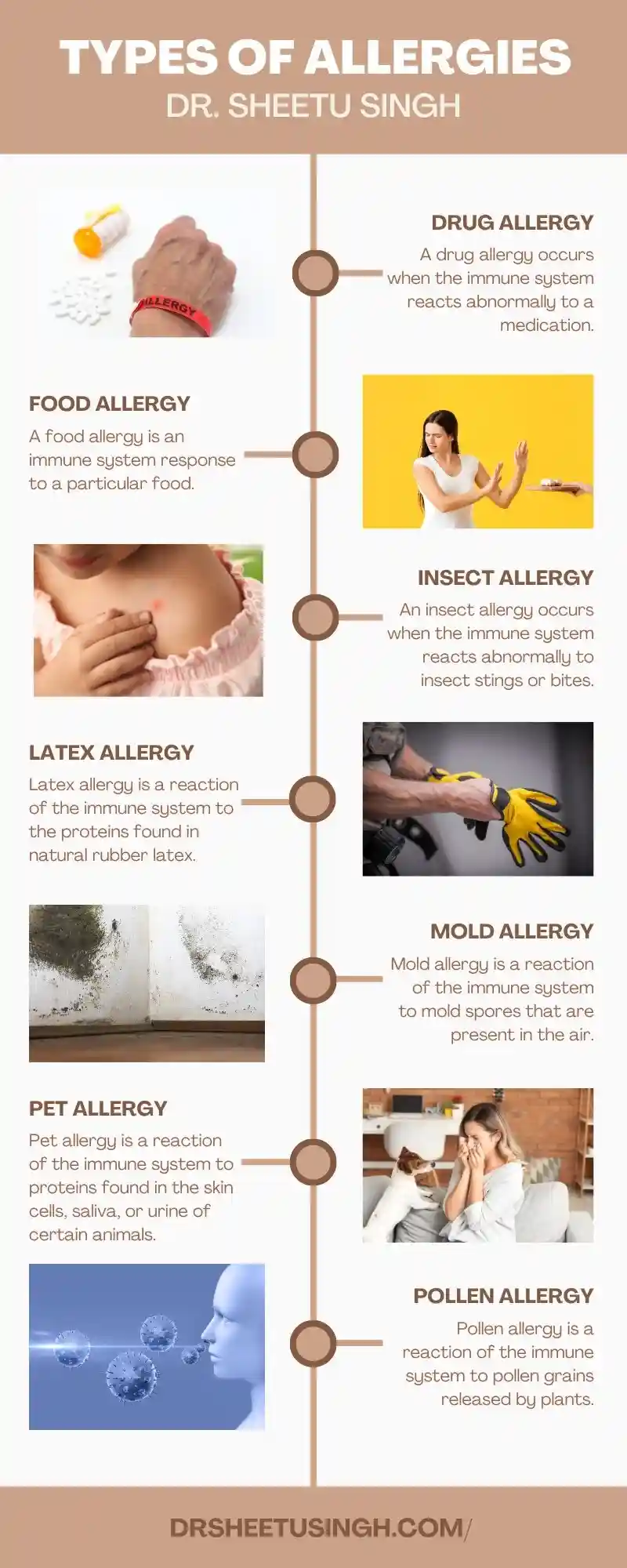
Dr. Sheetu Singh is the best allergist/immunologist in Jaipur. Consult with her to know more about the types of allergy and how can we treat them.

Also, read about Nose Allergies (Hay Fever).


H3N2-attacking-kids-and-elderly.jpg

Doctors warn that because the H3N2 Virus is attacking kids and the elderly, it is essential to re-enforce Covid guidelines like wearing masks, social separation, and other pandemic-era rules. Many youngsters and the elderly get infected with this virus and recover in 10 to 12 days. According to health professionals, 7% of youngsters are admitted to ICUs. The virus is classified as a flu virus, but its effect is similar to a corona, in that it causes fever and damage to the lungs. H3N2 is a strain of the common flu, according to the World Health Organization (WHO). According to WHO, seasonal influenza is an acute respiratory infection caused by influenza viruses that circulate around the world. They are divided into several subtypes. Humans are now infected with influenza viruses of Subtypes A (H1N1) and A (H3N2).

What Is The H3N2 virus?

Rajasthan Hospital’s Dr. Sheetu Singh stated: “we discharged one patient (38 years old) after a month since both of her lungs had become white due to a severe illness. She was placed on a respirator for ten days. She arrived with pneumonia, fever, and a cough.”

What Are The Signs And Symptoms

According to WHO, common symptoms of seasonal influenza include a rapid fever, a cough (typically dry), a headache, muscle, and joint discomfort, a sore throat, and a runny nose. The cough can persist for two weeks or more, depending on the severity. Most people recover from fever and other symptoms without the need for medical attention within a week. Those with comorbidities, on the other hand, can suffer from severe sickness or even death from influenza.

How Does It Spread?

Seasonal influenza, according to the WHO, spreads quickly. Crowds increase the likelihood of the spread. The virus spreads when an infected person sneezes or coughs. Droplets containing viruses that come out of the nose or mouth are distributed into the air and can affect people up to a meter distant as well as those in close proximity.

The H3N2 Virus spreads from infected pigs to people via infectious droplets spat by the pig while coughing or sneezing. In the same way, this virus spreads through humans.

How Can It Be Prevented?

Vaccination is the most effective strategy to stop the spread. Vaccines that are both reliable and efficacious have been in use for more than six decades. Also, people who are not in the high-risk group are recommended to limit their interactions with others. Face masks and frequent hand washing are recommended to avoid spread. Those who are at high risk should seek emergency medical attention. It is recommended to keep a close eye on the patient’s health and to seek medical guidance if the patient’s condition worsens. Most importantly, medical professionals warn against self-medication.

Advice From Medical Experts

  • Hand washing and drying should be done on a regular basis.
  • Covering one’s nose and mouth when coughing or sneezing is an example of good respiratory hygiene.
  • Those who are unwell or have flu symptoms should be isolated as soon as possible.
  • Avoid contact with infected people.
  • Avoid touching your eyes, nose, or mouth.

Effect-Of-Dust-Aerosol-on-Patients-With-Asthma-Dr.-Sheetu-Singh.jpg

Asthma is an episodic disease with sickness and well-being phases. Many triggers produce the illness episodes. Pollution, smoking occupational sensitizers, illnesses, and indoor and outdoor allergens have all been associated with asthma exacerbations. Several factors have been suspected of causing asthma exacerbations, although the precise process is unknown. Effect of Dust Aerosol in patients with Asthma is an important type of aerosol in the atmosphere; it affects the climate system, as well as the marine and terrestrial ecosystem.

Effect Of  on Patients With Asthma

The tubes of the lungs begin to shrink and bulge with this illness, causing shortness of breath, coughing, and wheezing. Symptoms usually emerge within minutes of being exposed to the chemical. These symptoms are extremely common and one of the primary causes of asthma. Sandstorms frequently have negative health impacts, particularly on asthma patients. The goal of our study was to investigate the mechanism of sandstorm-induced asthmatic aggravation by exposing people to dust aerosol in an environmentally controlled chamber. Twenty individuals affected by dust aerosol in patients with asthma who had a stable illness and an FEV1 greater than 70% of expected volunteered to take part in this randomized single-blind placebo-controlled crossover study.

Causes Of Aerosol Induced Asthma

Aerosols can be found in household cleaners. These are particles of solid and liquid matter in a gas. When these particles are inhaled, the body responds by producing leukotrienes and histamines. These substances are released, pulmonary inflammation and mucus formation ensue.
When asthma triggers occur, this is the reaction. For example, Hairdressers and cleaners are frequently exposed to aerosols.

  1. Dust mites.
  2. Tobacco smoke.
  3. Mold.
  4. Outdoor air pollution.
  5. Cleaning and disinfection.
  6. Pests (mice, cockroaches)

Symptoms Of Aerosol Induced Asthma

Asthmatics have delicate airways that easily become irritated. Asthma symptoms such as wheezing, shortness of breath, chest tightness, and coughing can be triggered by a variety of factors. Effect of dust aerosol on patients with Asthma is controlled with medication administered through inhalers (for example the ventolin evohaler or salamol easy- breathed).

How Do Aerosols Trigger Asthma?

Aerosol sprays are an irritant that can cause inflammation of your airways and lungs. This occurs when the sprays penetrate the air around you, especially since deodorant and hairspray are so close to your mouth and nose. The aerosols also contain tiny particles that might cause airway irritation. This is more likely to cause asthma in poorly ventilated rooms with several asthma triggers.

Treatment Of Aerosol Induced Asthma

The best strategy to manage irritant-induced asthma is to avoid the source of the irritant, and if that is not possible, to utilize bronchodilators and prescription drugs. Allergy testing is frequently recommended to determine which allergens to avoid. Symptoms will improve when triggers are avoided and the patient takes the appropriate medication consistently. If limiting your exposure is just not an option, make careful to use bottled sprays in well-ventilated locations or outdoors. You should also leave the area and return only when the odors have dissipated. Follow the guidelines of inhalers nebulizers and on the bottle and use a mask designed specifically for the product you’re using. Instead of using a spray can look into pump spray options.

Dr. Sheetu Singh is the best Asthma Specialist Doctor in Jaipur, Consult with her to know more about it.


Hypersensitivity-Pneumonitis-causes-symptoms-treatment.jpg

Hypersensitivity pneumonitis is an uncommon immune system condition that affects your lungs. Bird fancier’s lung, extrinsic allergic alveolitis, farmer’s lung, hot tub lung, and humidifier lung are all names for this disease. HP occurs in some people after they breathe in certain substances in the environment, such as the skin cells shed by animals with fur or mold. These substances activate the immune system and cause short-or long-term lung inflammation. This inflammation prevents the lungs from working properly and can make breathing difficult. 

What is Hypersensitivity Pneumonitis

Some types of hypersensitivity pneumonitis can be treated by avoiding the trigger or by taking medications, without treatment, HP can result in permanent lung damage. HP is a type of allergy that causes inflammation in your lung’s small air sacs (alveoli). Your symptoms may be acute and disappear quickly, or they may develop over time and become chronic. Chronic hypersensitivity pneumonitis is an interstitial lung disease. It can eventually cause lung scarring.

Causes of hypersensitivity pneumonitis 

HP is caused by inhaling substances(allergens) that provoke an immunological reaction in your lungs. This can harm your lungs and worsen your symptoms over time. Around 300 different causes of HP have been identified, including: 

  1. Bacteria.
  2. Certain chemicals and metals.
  3. Molds and fungi.
  4. Animal and plant proteins. 
  5. Humidifiers, air conditioners, and ventilation systems.
  6. Food contamination or factory products.
  7. Bird dropping, feathers, and animal furs.
  8. Contaminated fluids from metalwork.
  9. Hay or gain for feeding animals.
  10. Hardwood dust.
  11. Hot tubs.

Symptoms of hypersensitivity pneumonitis 

Hypersensitivity pneumonitis symptoms can be transient or persistent. Acute symptoms appear within a few hours of being exposed to an allergen and might linger for several hours or days. Chronic symptoms might emerge gradually and worsen with time. 

Symptoms of acute hypersensitivity pneumonitis 

  1. Shortness of breath(dyspnea)
  2. Chest tightness.
  3. Dry cough.
  4. Muscle aches.
  5. Fever.
  6. Fatigue.
  7. chills.

Symptoms of chronic hypersensitivity pneumonitis

  • Cough.
  • Shortness of breath, particularly after effort or activity.
  • Weight loss.
  • Fatigue.
  • Finger or toe clubbing.

Treatment of hypersensitivity pneumonitis 

Treatment for HP can help avoid lung scarring and alleviate your symptoms. Avoiding the chemical, bacterium, or other things that caused your ailment is frequently the first step in treatment. you may not always know what is causing it. 

 You may also require one or more of the therapies listed below:

  • Medicines: to soothe your immune system or relax the muscles in your airways to make it easier to breathe.
  • Pulmonary rehabilitation: to improve your quality of life by learning how to breathe more easily.
  • Oxygen therapy: if you have low oxygen levels in your body.
  • Lung transplant: if your lungs are severely injured and no other therapeutic options are available to you. 

If HP is not treat properly, it can result in pulmonary hypertension, permanent lung damage, or heart failure. 

How can you manage it at home?

The steps listed below can assist you in managing your condition:

  • Get regular medical care.
  • Engage in frequent physical activity.
  • Obtain routine vaccinations.
  • Quit smoking. 

Dr. Sheetu Singh, director OF ILD & pulmonary rehab center and nationally renowned pulmonologist, is an expert in hypersensitivity pneumonitis-related disorders. Consult with her to know more about this disease, and if you feel any kind of symptoms regarding this. 


Acute-sore-throat-Symptoms-causes-and-treatment-Dr-Sheetu-Singh.jpg

When you feel an itchy, painful, and irritating feeling in the back of your throat, and troubles you during swallowing, it is most likely a acute sore throat. It is medically referred to as pharyngitis. There are many reasons responsible for this throat problem, the most common being viral infections such as colds or flu. Many bacterial agents can also cause sore causes and require medical attention, along with antibiotics for complete recovery and prevent further complications. 
Acute sore throat: Symptoms, causes and treatment

Major symptoms of sore throat include the following:-

  1. Itchy sensation in the throat 
  2. Painful swallowing
  3. Pain while talking 
  4. Hoarse voice 
  5. Inflammation in tonsils 
  6. Symptoms might be accompanied by other symptoms, which are a result of infections caused by certain infectious agents. 
  • Fever 
  • Coughing 
  • Running nose 
  • Sneezing 

The severity of the symptoms depends on the type and cause of the infection. However, acute sore throat if caused by any of the pathogenic agents will show the above-mentioned indications. Difficult swallowing or drooling might also be seen in children which is because of their inability to swallow as it is painful. Adults experience a few more indications of the problem that might include: 

  1. Swelling around the neck 
  2. High and persistent fever
  3. Blood in the mucus
  4. Difficulty in opening your mouth

Causes: –

Major possible causes of acute sore throat include viral and bacterial infections. People with weakened immune systems, catch hold of these viral and bacterial diseases more often than others. Recurring infections can cause recurring pharyngitis. Viral diseases that can cause core throat include Influenza, pneumonia, the common cold, COVID-19 infection, measles etc. Streptococcus infections are the major cause of sore throat in the bacterial category. 

Other than bacterial or viral diseases, many factors can cause this problem, some of them are listed below: 

  • Allergy

People who are allergic to a certain substance are often triggered by the allergens and begin to experience this problem when the allergic responses begin to occur. Allergens make the throat itchy and cause a feeling of discomfort because of inflammation in the throat. This might last for a few days. 

  • Throat muscle strain

This is produced because of loud talking or yelling or continuous talking for long hours such as in the case of teachers. Continuous vocal activity can strain the throat muscles and make the throat sore. 

  • Dry air 

 As in the case of longer uses of AC nowadays, the air indoors becomes much dry and can irritate the cells of our throat when inhaled. This causes inflammation or itchiness because the throat is rough. 

  • Gastroesophageal reflux

 when the acid from your stomach flows backwards into your oesophagus it is called GERD, this can cause a burning and painful sensation in the throat. 

Treatment: 

The principle of treatment depends upon the identification of the cause of the same. In cases of Gastroesophageal reflux, antacids are recommended. However, for any bacterial infection, antibiotics are suggested to help eliminate the disease and hence its symptoms. In cases of allergies, anti-allergic medication might be of great help. There are certain remedies advised by Dr Sheetu Singh, which can help you ease out the pain and discomfort caused by a sore throat. 

  • Drinking warm liquids is the best method to ease the cells of the throat and prevent scratchiness. 
  • Avoid yelling or loud talking or prolonged talking to relax your throat muscles and put them at rest for proper and quick healing. 
  • Avoid using ACs to control the dryness of your room. Moise air helps our throat to get rid of dryness. Adding a humidifier or vaporizer can be of extra help. 
  • Reduce outdoor activity for some time to avoid coming in contact with pollutants or allergens. 

What-Is-Community-Acquired-Pneumonia-Dr-Sheetu-Singh.jpg

Community acquired Pneumonia or CAP is also pneumonia, but is caused outside the hospital, and is acquired outdoors in the public. So, People who have not been to any healthcare facility recently can acquire pneumonia from other sources outside the hospital premises. Pneumonia is an infection caused in the lungs and affects normal breathing, leading to difficulties in usual respiratory health. This infection inflames the air sacs of our lungs. The lungs are the site of the exchange of gases, intake of oxygen and removal of carbon dioxide. The inflamed air sacs find it difficult to perform their routine function. The inflammation is accompanied by the deposition of fluids inside the air sacs of the lungs.  

What Is Community Acquired Pneumonia – Dr Sheetu Singh

Bacterial pathogens are present in the air around us, being microorganisms that can easily thrive in the environment around us. Different bacteria can cause pneumonia in adults, that includes, Streptococcus pneumoniae and Haemophilus influenzae. Influenza viruses, Adenoviruses and Coronaviruses can also induce pneumonia in people. Pneumonia caused by the pathogens can be fatal and serious. These pathogens are released in the air during coughing or sneezing in droplets and can be inhaled by a healthy person. So, the droplets contain the causative organism and can infect the person inhaling it, making the disease contagious. 

Symptoms of CAP: –

Typical symptoms of community-acquired pneumonia include: 

  • Fever 
  • Coughing
  • Chest congestion and pain
  • Dyspnea 
  • Nausea 
  • Diarrhea

Atypical symptoms can vary from person to person and is different in adults and children too. 

Adults experience symptoms such as nails and lips turning blue because of lack of oxygen in the blood, restlessness, sound while breathing, and excessively thick and sticky mucus. 

Diagnosis: –

Fatality is the biggest threat in respiratory diseases, as the lungs are the primary site for controlling breathing patterns. If there is not enough oxygen being supplied to the body, there are chances of failure of the organs and their activities. A pulmonologist can advise, based on the symptoms, whether or not the disease falls in the category. Yet, diagnostic tests are required for a confirmed prognosis. 

The tests include the following methods:

  • Chest X-Ray 
  • CT scan 
  • Blood tests for a primary check-up. 
  • Blood pressure and oxygen levels. 
  • Blood culture for etiology 
  • Sputum sampling for exact pathogenic identification.
  • COVID-19 tests 

Who is at risk? 

Certain people are more at risk than others. Some of the conditions are as follows:

  1. People with weak immunities are more prone to the disease as their immune systems fail to eliminate the causative organism. 
  2. Smokers have a higher chance of getting infections in their lungs. 
  3. COPDs also increase the chances. 
  4. Problems such as kidney failure. 

Treatment: 

Experts, after a confirmed diagnosis of the disease, can advise a person to be put on antibiotics. These anti-bacterial agents can help to eliminate the pathogen if at all it is caused by a bacterium. The type of antibiotic depends upon the cause of the disease. Then, medication is accompanied by certain therapies or even surgery if needed. If the lungs are severely damaged because of the infection, surgeries might be a help. 

Oral medication takes a long time to completely cure the disease, but the effects can be seen within a few days after the start of the medication. 

People with a high risk of fatality are also put on a ventilator for extra support. 

Precautions: 

There are certain precautionary measures which are suggested by Dr Sheetu Singh, that we need to follow, especially if we are infected. 

  • Avoid crowded places to avoid catching the microbes causing the infections and the ones suffering from it might not spread it to others. 
  • Do not avoid medication to eliminate the infection from our lungs. 
  • Wear masks to prevent it from spreading. 
  • Take warm liquids to keep our throat healed and moist. 
  • Complete the course of antibiotics. 
  • Take a balanced diet to improve your immunity. 

Lung-Cancer-Causes-and-Stages-Dr-sheetu-singh.jpg

Cancer is any abnormal growth of cellular mass due to the deposition of damaged cells dividing uncontrollably. It can be can spread from one part of the body to the other part. Cell division is a normal process of our body to replace damaged or worn-out cells, new cells replace the old cells during normal cell division, as every cell of our body has a life span of its own. Lung cancer process of cell division is highly regulated by different proteins and cell signalling mechanisms. If such a well-regulated mechanism fails to control normal cell cycle, and division, lumps of a cell are formed at different sites where the cell division disturbances occur. 

Lung Cancer: Causes and Stages 

In humans, lung cancer develops in the lungs. A lung cancer occurs when abnormal divisions of cells take place in the lungs. It can either occur in the bronchi or the alveoli. As obvious from the name itself, the lungs are the organs that control breathing, if the alveoli or bronchi are affected by the tumour formation, there will be difficulty in breathing along with other symptoms, that might or might not resemble other lung disorders. 

Causes:-

According to Dr Sheetu Singh, Lung cancer formation occurs when the division rate is more than the required rate of cell division by the body. Normal cells have programmed cell death, and prevent unnecessary cell division, but cancerous cells fail to “switch off.” The cell division can be irregular and continuous. The lump of cells can become a tumour if there is an accumulation of cells in large numbers. This uncontrolled cell division can be unpredictable but many factors can be associated with this irregular growth of cells, which might include inhalation of harmful substances such as asbestos, arsenic or nickel etc., which can cause mutation in the normal cells. 

The major cause of cancer in the lungs is smoking. Passive smoking and active smoking both cause the formation of an irregular mass of cells that is not control by the body’s natural mechanism to eliminate abnormal cells. This tissue can then develop into a tumour. Tumours can either be restricted to their site or origin or can spread through body fluids to other parts of the body as well. 

Types:-

It is generally possible to categorize lung cancers into two broad categories:

Small cell lung cancer- This type of lung cancer occurs in about 15-20% of total people, that too in heavy smokers. It is a less common form of lung cancer but is more aggressive than NSCLC. Because of its aggressive nature, cancer may be more difficult to cure or less responsive to treatments. 

Non-small cell lung cancer- NSCLC makes up a total of 80-85% of total lung cancer cases and is the most common type of lung cancer. This type of cancer includes adenocarcinoma, squamous cell carcinoma and large cell carcinoma. NSCLC responds to the therapies used as a part of cancer treatment. 

Stages:-

Like any other cancer, lung cancer also develops and spreads in stages, if remains undiagnosed and untreated. The progression of stages of lung cancer includes stages from zero to four. 

  • Initially, stage 0 occurs in the bronchi.
  • Stage I is inside the lung and the tumour has not outgrown the lungs. 
  • Stage II cancer is larger than stage I and has started spreading out to the lymph nodes which are inside the lungs. 
  • Stages III and IV are advancements in the tumours, as stage III includes tumour growth even to the lymph nodes outside the lungs and stage IV includes cancer formation in the other lung too. 

Such progression of cancer decides the severity of cancer and hence the life of a person. Early diagnosis can lead to successful treatment with both therapy and medicine. In cases of fast tumour growth, it crosses the stage beyond which the treatment becomes impossible.


What-Is-COPD-Causes-Symptoms-Treatment-Dr.-Sheetu-Singh.jpg

Chronic Obstructive Pulmonary Disease or COPD is a broad term for diseases such as emphysema and chronic bronchitis. Just like any other respiratory disease, these diseases also cause difficulty in breathing thus affecting our routine lives. If conditions remain undiagnosed and untreated, they can lead to permanent and irreversible lung damage.  COPD is a progressive condition of the respiratory tract showing mild symptoms initially that intensify with time. The correct diagnosis followed by the required precise treatment can slow down and eventually cure it. 

What Is COPD – Causes, Symptoms, Treatment – Dr. Sheetu Singh

Although many of the symptoms resemble, there is a difference between COPD and Asthma. COPD is a chronic condition that is mostly caused by smoking. Asthma, however, is also a chronic disease but is triggered by a variety of allergens. It is certainly possible, a person might have both conditions and hence would require treatment for both. 

Causes of COPD: 

The major cause of COPD is smoking tobacco which accounts for 90% of the diagnosed cases but there are other possible causes too. 

  • Air pollutants that can damage our airways. 
  • Passive smoking i.e., inhaling the smoke released by the smoker. 
  • Absence of alpha-1 antitrypsin which is an enzyme that protects our lungs from the effects of inflammation. Lack of this enzyme can lead to emphysema. This makes it a genetic disorder too but is uncommon. 
  • Pollutants present at the workplace that include smoke, dust, fumes, etc. 

Symptoms: 

Symptoms of COPD are not noticeable unless there is remarkable lung damage affecting our breathing patterns and routine lives. The condition progressively worsens if remains unnoticed for a longer period. 

  • The symptoms include any of the following: 
  • Difficulty in breathing, especially during any physical activity
  • Wheezing sound (such as observed in asthma) 
  • Chest congestion 
  • Fatigue
  • Production of mucus increases
  • In severe cases, the color of mucus changes with time, also there is a specific odor produced
  • Presence of blood in sputum
  • Loss of weight in later stages
  • Increased and frequent respiratory infections
  • Fever 
  • Headaches 

Symptoms can worsen if a person continues to smoke or is exposed to smoke regularly. 

If you observe any of the above-mentioned symptoms, especially if they are regular or there is the presence of blood in the sputum, you must immediately consult your health expert. A pulmonologist can help you diagnose the exact condition and prescribe the medication needed for immediate relief as well as a prolonged cure. Dr. Sheetu Singh is a known pulmonologist who has hands-on experience in curing such long-lasting ailments. Book an appointment if you observe any of such symptoms, or your lips and nails turning blue lately for expert advice. 

Treatment: 

Treatment for COPD can be a blend of medication, therapy, and lifestyle changes. If the condition is severe, surgeries can be recommended, especially in cases of severe lung damage.  

Medication includes the use of bronchodilators and corticosteroids. Bronchodilators are taken usually by an inhaler or a nebulizer and help to reduce the tightness of the muscle present around our airways. Corticosteroids can help to lower the production of mucus and can reduce inflammation. 

A person who has developed this condition is also advised to make changes in their lifestyle that includes: –

  • Balanced diet to provide nutrition to the body
  • Regular physical activity
  • Avoid smoking, both active and passive. 
  • Taking regular medication as prescribed. 

Dr. Sheetu Singh, a nationally renowned pulmonologist, Director ILD & Pulmonary Rehab Clinic, is an expert in chest-related conditions. She got her training from SMS Medical College, Jaipur followed by a visit to Cleveland Clinic, USA.

Contact Info

Address: Mahavir Jaipuriya Rajasthan Hospital Milap Nagar, JLN Marg, Jaipur

Mobile: (+91)-8696666380

Email-Id: sheetusingh@yahoo.co.in

© 2017 Dr. Sheetu Singh. All rights reserved | Webworks by Theacemakers.com

Codeskube Pvt Ltd